


 Share
Share

Mixology is a unique part of today’s F&B industry. Part art, part science, part experiment, part thrill. Japan and India approach the art of drinking from entirely different angles, yet both cultures share a profound appreciation for the ritual of coming together over a glass. In Japan, cocktail culture is steeped in precision and quiet reverence - bartenders train for years to master technique, and guests often approach a well-made drink with the same seriousness one might bring to a tea ceremony. It is a culture that prizes restraint, balance, and the near-silent conversation between bartender and guest.
Few people are better placed to observe this than Michito Kaneko, the celebrated bartender and founder of Lamp Bar in Nara, Japan - ranked 46th in Asia's 50 Best Bars 2025 - and the 2015 Diageo Reserve World Class global champion, chosen from over 50,000 bartenders worldwide. Known for its menu-free philosophy, where every drink is crafted entirely around the individual guest, Lamp Bar is now coming to India for exclusive one-night-only takeovers at Akina in Mumbai on 20th February and Hyderabad on 21st February, facilitated by All Things Nice.
Lamp Bar, at its heart, the experience is defined by omotenashi - the Japanese philosophy of wholehearted hospitality - fused with Kaneko's own artistic upbringing, making every glass as much a creative expression as it is a drink. Kaneko’s inspirations range far, from the 20+ countries he visits every year to his own upbringing, “The cocktail philosophy of Lamp Bar is craftsmanship. Both of my parents are artists, and because of that background, I incorporate elements of art into each cocktail. This fusion of craftsmanship and art defines our cocktail philosophy,” he says.
The team will be bringing a taste of that experience to India with his signature India menu. Guests can expect five exclusive cocktails from Kaneko himself - among them the Kishu, a blend of whisky, Lamp bars bespoke bitters and Japanese plum wine, and the Yamato Last Word, featuring Yamato tea-infused Bombay Sapphire - each one a window into his deeply Japanese approach to the craft. We sat down with him ahead of the visit to talk inspiration, identity, and what he hopes to discover on Indian soil.
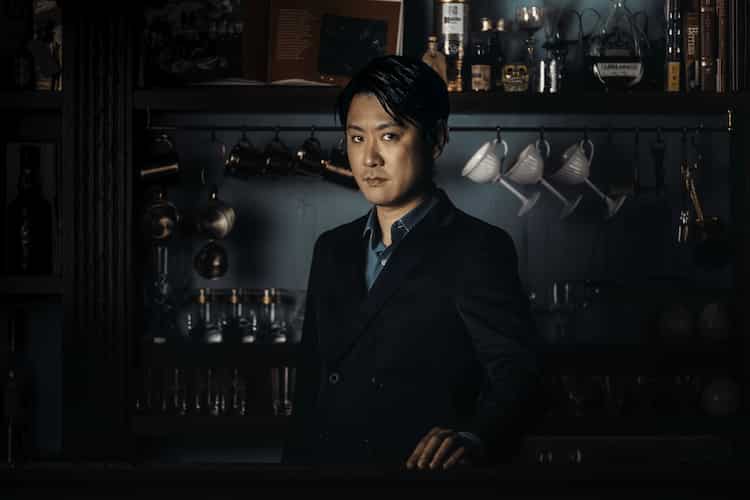 Michito Kaneko of Lamp Bar
In Conversation with Mixologist Michito Kaneko of Lamp Bar
1. How would you describe your style of mixology and what would be your personal philosophy behind the bar?
I live in Nara, the oldest city in Japan and the birthplace of Japanese culture. Growing up with artist parents, I was naturally influenced by creativity and craftsmanship. My mixology style is rooted in classic bar culture. I focus on balance, technique, and respect for tradition, while expressing culture through each cocktail. Behind the bar, my philosophy is to honor craftsmanship and create meaningful experiences in every glass.
2. You left your earlier job after tasting cocktails at a famous bar in Nara. What was it about that experience that made you completely change your career path?
The first time I tasted a truly great Moscow Mule, I was deeply moved. It completely changed my idea of what a cocktail could be. In that moment, I decided to leave my previous job and pursue bartending. I chose to work at the very bar where I had that drink, because I wanted to create the same emotion for others.
3. When you opened Lamp Bar what vision did you have for it and how did you go about making it a reality?
When I was 30 years old, I opened a small LAMP BAR entirely with my own savings. I invested all the money myself. At that time, I didn’t have much life experience, and honestly, I was very anxious. But I had one clear passion — to serve truly great cocktails to my guests. That passion kept me going every single day. From the very beginning, I worked with the belief that one day Lamp Bar would spread its wings and reach the world. I put that dream and determination into my work every day behind the bar.
4. Lamp Bar's bespoke approach is very unique. How do you read a guest's preferences and mood to create the perfect drink for them?
In Japan, most guests are not very familiar with cocktails. So bartenders usually start the conversation, ask about the guest’s preferences, and create a bespoke drink for them. By doing this, we can tailor the cocktail more precisely to each guest’s taste.
5. How do you maintain consistency and creativity when each drink can often be very different?
I focus on rigorous technical training, pay attention to even the smallest details, and standardize things like glassware to ensure consistency in every drink.
6. How do you balance international recognition, both in a personal capacity and for the brand, with the intimate, personal service at Lamp Bar?
As we began to receive more attention from the international bar scene, we knew we had to evolve slightly. We refined certain elements of our style to create an experience that could resonate emotionally on a global level. However, our foundation remains the same — classical Japanese technique and hospitality. That is something I believe does not need to change, so we have kept it at the core of what we do.
7. What are the most noticeable differences you've noticed between Japanese and Indian drinking cultures?
I haven’t had the chance to try many drinks across India yet, but compared to Japan, I feel that Indian drinkers tend to enjoy drinking in a more relaxed and celebratory way. In Japan, especially among cocktail lovers, people can sometimes be a bit too serious about their drinks.
8. What aspects of Indian cocktail culture or local ingredients are you most interested in trying during your time here?
During my time in India, I’m especially interested in exploring local ingredients and food. I would love to experience flavors that I’ve never encountered before and discover new inspirations through them.
9. Can you explain more about some of the more traditionally Japanese ingredients you like to work with such as Atsukan and Plum Wine?
In fact, Nara, where my bar is located, is considered the birthplace of sake in Japan. There are many breweries in Nara, and sake is naturally part of our daily life. Because we grow up surrounded by these flavors, we understand them deeply and know how to use them in the best way. That’s why this time I’m bringing many Japanese ingredients to India — to share that culture and those flavors through my cocktails.
10. How do you feel travel influences your choices as a mixologist, and where do you hope to visit next?
I travel to more than 20 countries each year, creating cocktails, learning about local culture, tasting their drinks and food, and sharing time over a glass with local people. These experiences give great depth to my life as a bartender. Travel has made me more thoughtful about others and continues to help me grow, both professionally and personally.




