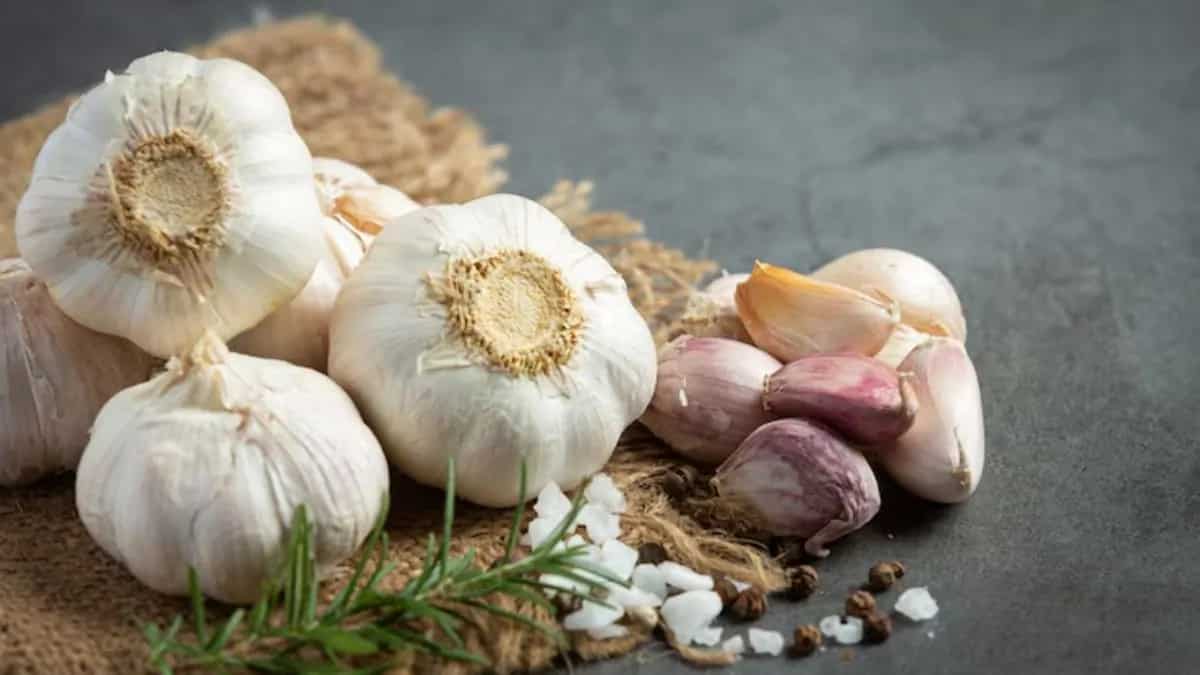
Garlic is that one ingredient that can decide the personality of the dish it is used in. The same clove can taste strong, sweet, nutty, or mellow, entirely depending on how you use it before it hits the pan. Slice it thin, and it will whisper, crush it, and it will reveal itself, roast it, and suddenly it will turn soft, caramelised and almost buttery. Most cooks focus on how much garlic to add, but the real magic is in how it is cut. In that first moment, when the knife meets clove, it produces chemical reactions that influence aroma, heat, and depth.
Understanding this changes the cooking from habit to preference. The dal stops tasting harsh, the sabzi smells warmer, and the pasta sauce feels more special. Once you learn how to cut garlic mindfully, you will stop blaming recipes and start maintaining flavour.
Sliced Garlic: Mild, Sweet & Gently Aromatic
Slicing garlic lengthwise keeps the flavour intact. When garlic is sliced instead of crushed, fewer cells break, which releases less allicin, the compound which is responsible for the sharp notes. The result is a soft, lightly sweet fragrance that perfumes oil without overpowering it. Sliced garlic tastes beautiful in stir-fries, sautéed greens, or pasta oils where you want garlic to just whisper and not shout. Thin garlic slices caramelise a bit, turning golden and nutty rather than having a pungent taste. If you have ever wondered why restaurant garlic tastes mellow and sleek, chances are, it is sliced and not smashed.
(Image credit: Freepik)
Crushed Garlic: Bold, Spicy & Unapologetic
Crushing garlic releases its most intense character. When you smash a garlic clove, you rupture the majority of the cells, which triggers a strong release of allicin. This form of garlic is loudest, sharpest, spiciest, and unmistakably bold. Crushed garlic hits the nose instantly and creates the backbone of curries, dals, marinades, and chutneys. It is perfect when garlic has to lead the dish, not just have support. But the timing also matters; if you add it too early, it can turn bitter, and if you add it right, it has that deep, warming punch Indian kitchens swear by.
Grated Garlic: Fast, Fiery & Almost Creamy
Grated garlic has the most fierce form, fine, juicy, and instantly reactive. Grating changes garlic into a paste, releasing intense flavour within seconds. The aroma is sharp and raw at first, which is why grated garlic is used in quick-cooking dishes, dressings, or added only towards the end. It melts seamlessly into the sauces, making the dish feel evenly garlicky without any visible bits. This is the best trick when you want the maximum flavour in minimum time, just like stir-fry sauces, chilli oils, or last-minute tadkas where garlic needs to promote itself boldly.
(Image credit: Freepik)
Chopped Garlic: Balanced, Familiar & Comforting
Chopped garlic relaxes comfortably between the sliced and crushed. It releases enough flavour that can be noticed, but does not overpower the dish. The fragrance is warm, particularly when it is gently sautéed. This is everyday garlic, the kind that is used in home-style sabzis, fried rice, noodles, and gravies. Chop the garlic browns evenly, adding texture along with some flavour. If you want garlic to taste like the “home cooking” instead of the restaurant ones, chopping is the safest, easiest choice.
Roasted Garlic: Sweet, Nutty & Almost Caramel-Like
Roasting changes garlic completely. Heat tames the sharpness, changes the soft, spreadable, and lightly sweet with a nutty aroma. Allicin breaks down, leaving behind depth rather than a prickly bite. Roasted garlic smells lovely, almost buttery, and mixes beautifully into the mashed vegetables, soups, dips, and also spreads. It adds richness without the typical garlic burn. This form of garlic is for people who say they “do not like garlic” because it tastes nothing like the raw cloves.
(Image credit: Freepik)