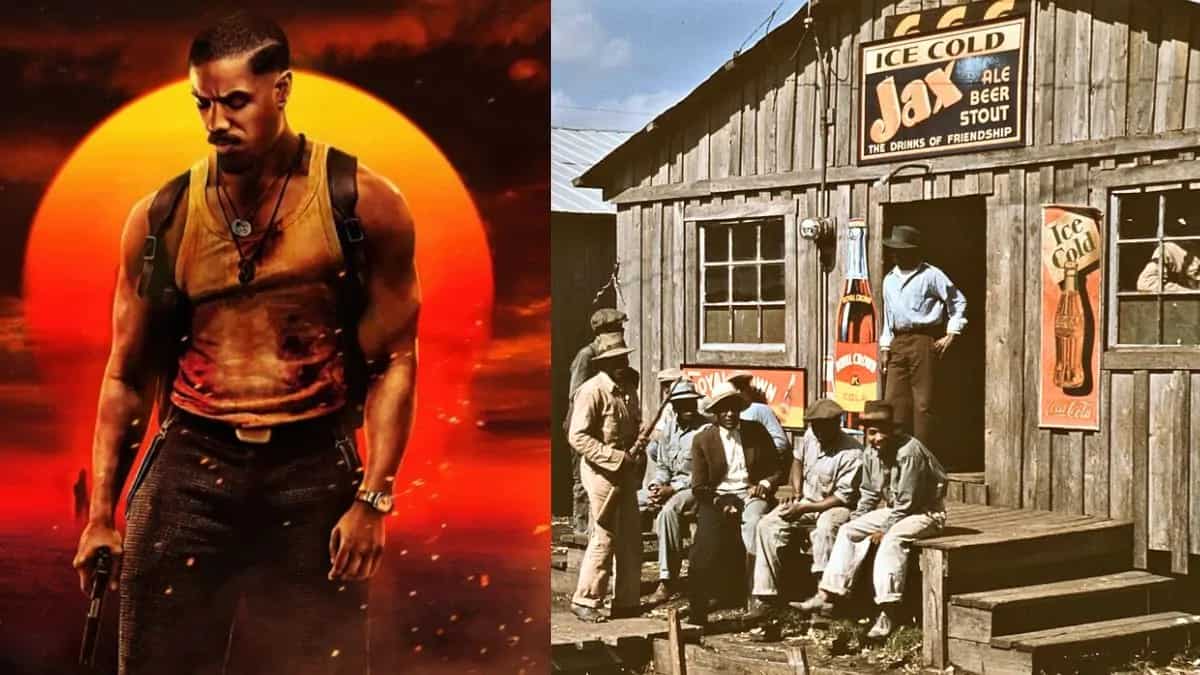
When the envelope was opened at the 98th Academy Awards and Michael B Jordan walked up to the stage to accept his Best Actor trophy, the world cheered. Shortly after, director Ryan Coogler claimed the Best Original Screenplay award, cementing a spectacular Oscars 2026 sweep for the horror drama Sinners. On the surface, the film is a terrifying supernatural thriller about identical twin brothers fighting off a coven of vampires in the 1930s Jim Crow South. It is bloody, it is suspenseful, and it features some of the most heart pounding action sequences of the decade. But if you look past the wooden stakes and the supernatural dread, you will realise that this cinematic triumph is fundamentally about something much warmer. It is a heartfelt love letter to the power of community, the universal language of food, and the sheer, unadulterated joy of throwing one hell of a party.
The Juke Joint As A Sacred Sanctuary
At its core, the narrative revolves around Smoke and Stack, the identical twin brothers played flawlessly by Jordan, who return to their Mississippi hometown of Clarksdale. They bring with them a hefty sum of stolen Chicago mob money, but their dream is surprisingly simple. They do not want to build an empire. They just want to open a juke joint. They want to create a safe sanctuary for the local Black workers, a place where the oppressed can leave their heavy burdens at the door, grab a hot plate of food, and dance until their feet ache.
This concept of a community safe haven feels incredibly familiar. We know the magic that happens when people gather under a bright canopy or a local pandal, leaving the chaos of the outside world behind. The juke joint in Sinners operates on that exact same wavelength. It is a shared space where the barriers of daily hardship dissolve. The brothers go door to door, pooling local talent and resources to make the dream a reality. They hire a Chinese American couple, Grace and Bo Chow, to supply the goods. They bring in a brilliant but troubled local guitar prodigy named Sammie to play the blues. They ask Smoke and his estranged wife Annie to handle the kitchen. Every single person brings something unique to the table, proving that a true community is built not by one hero, but by a collective effort.
Image credit: Pexels
Also read: Inside The Oscars 2026 Menu By Wolfgang Puck: What Hollywood Will Eat At The 98th Academy Awards
A Legacy Carved Out Of Hardship
To truly understand the importance of food in Sinners, we have to look back at the history the film subtly references. Set in the 1930s, the story is steeped in the aftermath of slavery and the harsh reality of Jim Crow laws. During the era of slavery, Black communities were often given the least desirable cuts of meat and the humblest vegetables. However, through incredible ingenuity and a refusal to be broken, they transformed these scraps into a rich, complex culinary tradition. The movie highlights how food became a form of resistance. The dishes served in the juke joint, such as slow cooked greens and seasoned fried fish, represent more than just a meal. They represent a history of survival. When Smoke and Stack feed their neighbours, they are honouring the ancestors who found ways to nourish their families even when they had almost nothing. This deep connection to food as a source of cultural identity is something that resonates strongly with us as Indian audiences, where recipes are often the most precious heirlooms we possess.
Image credit: Pexels
Food As An Anchor And Binding Force
Food plays a understandably vital role in grounding this supernatural tale in human reality. Before the fangs come out and the blood starts spilling, the film takes its time showing us the meticulous preparation of the feast. We see the hustle and bustle of getting the kitchen ready, the chopping, the stirring, and the rich aromas that seem to waft right through the screen. Annie uses her cooking as an extension of her love and her Hoodoo practices, infusing the meals with protective intentions. Anyone who has ever helped cook a massive feast for a local festival or a sprawling family wedding will recognise that frantic but beautiful kitchen energy. When the patrons finally sit down in the juke joint to eat, drink, and laugh, the movie highlights how sharing a meal is the ultimate equaliser. It builds an invisible fortress of warmth around the patrons, making the stark contrast of the cold, hungry vampires waiting outside even more terrifying.
Image credit: Pexels
Then comes the music, the lifeblood of the party. The mid movie musical sequence in the juke joint is already being hailed as one of the greatest scenes in modern cinema. Sammie strums his guitar, and suddenly, the blues transcends time. The music acts as a magical bridge, summoning the joyful spirits of ancestors and painting a picture of pure, unfiltered celebration. The patrons let loose, dancing with a kind of frenetic joy that only exists when you know how hard life can be outside those walls.
Image credit: Sinners Wiki
The Garlic Test And The Art Of Survival
Of course, no epic party is complete without a few uninvited guests. The arrival of the Irish vampire Remmick, played with chilling perfection by Jack O'Connell, flips the script. The vampires cannot enter the juke joint unless they are explicitly invited. This clever twist on vampire lore serves as a brilliant metaphor for protecting your community spaces. The monsters stand outside, dressed as polite musicians, asking to come in, eat the food, and enjoy the culture. The movie asks a very poignant question about who we allow into our sacred spaces and what happens when we let the wrong people consume our joy. One of the most talked about scenes in the movie involves a clever use of traditional vampire lore adapted for a Southern kitchen. To identify if their guests are truly human, each guest is required to eat an entire clove of fresh garlic. This scene served a dual purpose. It showed Annie using her cultural knowledge and her kitchen skills as a weapon.
Image credit: Pexels
Lessons For The Ultimate Host
Beyond the horror and the history, Sinners offers some genuine advice on how to host an unforgettable gathering. The brothers prove that the best parties are built on authenticity. They do not try to put on a show for outsiders: they create an experience for their own people. They focus on the essentials: high quality food, music that moves the soul, and a sense of shared purpose. The film also reminds us that a good host is always observant. Whether it is noticing who is avoiding the garlic or making sure the band has enough to drink, Smoke and Stack are constantly looking out for their guests. Their dedication to their community is what eventually gives them the strength to fight back when the vampires finally attack. It is a reminder that the bonds we form over dinner tables and on dance floors are the very things that protect us when life gets dark.
Image credit: Pexels
A Cinematic Triumph For The Ages
Ultimately, Sinners is a masterpiece because it balances its horrific elements with an overwhelming amount of heart. The Oscars sweep is well deserved, not just for the technical brilliance or the acting, but because Ryan Coogler managed to capture the essence of human connection. The film reminds us that while there will always be monsters lurking in the dark, the best way to fight them is to stand shoulder to shoulder with your neighbours. It shows us that as long as we have good food to share, soulful music to play, and a community to lean on, we can survive just about anything. And if we have to go down fighting, we might as well do it after throwing the greatest party the town has ever seen.