A Shravan burger that has no onion and garlic, an Onam meal served on a banana leaf, and a jackfruit flat white may sound like unlikely medleys. Yet this festive season, global food chains are discovering increasingly creative ways to fit into the food calendar of India. McDonald’s has brought back its Shravan specials menu with vegetarian burgers that are made without onion and garlic, along with some unsalted fries and shakes. Burger King is celebrating Onam with veg and non-veg festive meals that are on banana leaves, borrowing one of the most acknowledged elements of a traditional Sadya.
Starbucks has gone an extra step into Kerala’s culinary landscape with an Onam menu that features jackfruit coffee, an avial-inji puli wrap, Nendran banana, jaggery and other regional tastes. These launches demonstrate that for global chains, joining the Indian festive mood can mean altering ingredients, presentation or even the format in which familiar tastes can be served.
McDonald’s Shravan Menu Starts With What’s Missing
For McDonald’s, the Shravan connection is less about developing a new Indian recipe and more about eliminating ingredients that some customers tend to avoid during the holy month.
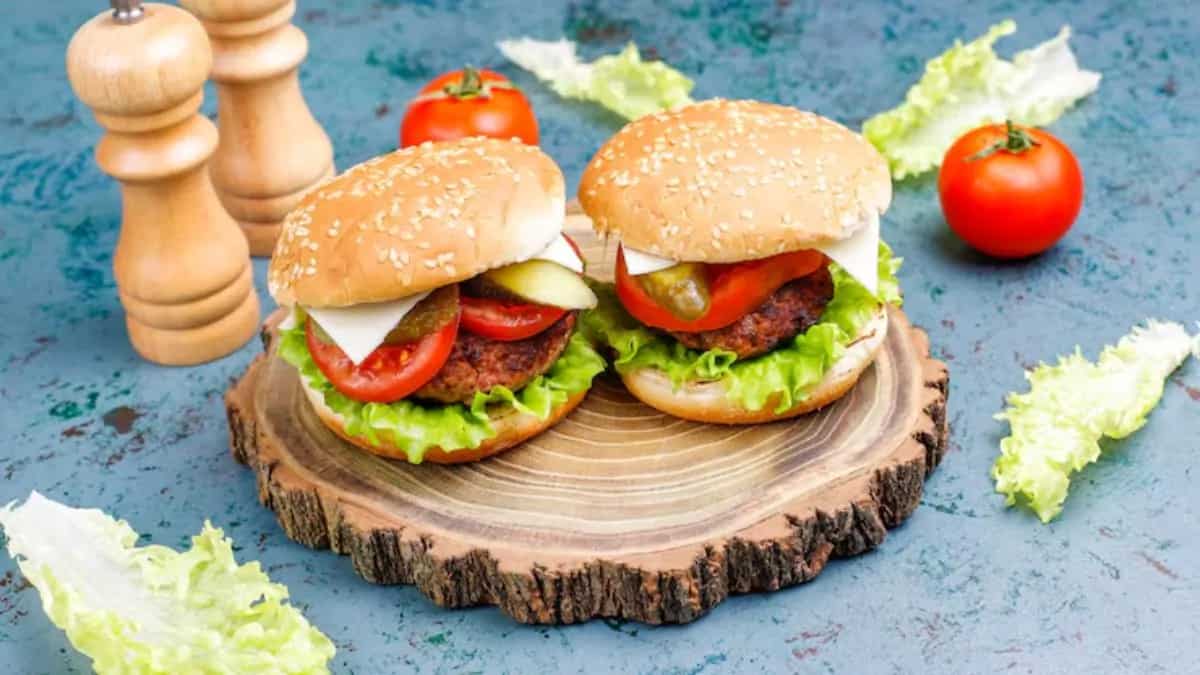
The restaurant's Shravan Specials include the signature 7-veggie burger, McAloo tikki NONG (no onion, no garlic) burger and Mexican McAloo tikki NONG burger. The NONG variants are made without onion and garlic. The menu also has unsalted fries, strawberry and chocolate shakes and special meal assortments.
That detail is noteworthy because Shravan food rules are not the same across India. Some people tend to avoid onion and garlic, some avoid salt on certain fasting days, whereas others follow different rules totally. So these products should not be automatically considered as traditional vrat food.
Rather, McDonald’s is making its familiar menu much easier to fit into a special seasonal eating pattern. The burger remains a burger, and the adjustment happens in the ingredients and the toppings.
(Image credit: Official Website Of McDonald’s)
Burger King Brings An Onam Detail To The Table
Burger King’s Onam offering takes a totally different route. The chain is offering Onam Fest veg and Onam Fest non-veg meals, but the impressive part is how these meals are being offered. Rather than the usual packed boxes, they are being served on banana leaves.
That single change holds a lot of cultural significance in Kerala. Banana leaves are deeply linked with Onam Sadya, the elaborate festive meal where many vegetarian dishes are traditionally placed and served on the leaf.
Burger King is not trying to replicate a Sadya or change its menu into classic Kerala cuisine. The food remains recognisably fast food, but the banana leaf simply changes the backdrop around it.
That is what makes the advertising interesting. Rather than modifying every recipe, the brand has borrowed a familiar part of the Onam dining experience to give its meal a festive essence.
Starbucks Turns Kerala Ingredients Into Cafe Food
Starbucks has taken the most ambitious culinary approach, that uses ingredients and tastes closely linked to Kerala and placing them in its coffeehouse format.
Its first Onam-inspired menu has the jackfruit flat white and jackfruit cold brew, adding the tropical fruit to the coffee beverages. The food selection here includes an avial inji puli wrap, poricha kozhi wrap, nadan kozhi puff and jackfruit swiss roll, along with creations that feature nendran banana and jaggery.
The Jackfruit Ffat white is especially unusual as jackfruit is far more familiar in Kerala’s classic food than in a coffee cup. Here, its sweetness and distinctive aroma are paired with the espresso and milk.
The avial inji puli wrap takes two familiar Kerala tastes and gives them a portable format. Avial adds cooked vegetables and coconut to the filling, whereas inji puli gives the sweet, sour and spicy note linked with the traditional preparation.
The poricha kozhi wrap similarly borrows from the Kerala-style fried chicken and blends it with a parotta-inspired wrap form.
This strategy is less about changing an already existing product to fit a dietary restriction and more about asking how regional Indian flavours can be reimagined for a trendy cafe menu.
The limited-edition festive menu will be available from August 16 to 26 across nine select Starbucks stores in Kochi, Thiruvananthapuram, Thrissur and Kozhikode.
(Image credit: Official Website of Starbucks)
Why These Menus Matter Beyond The Festive Season
These launches also demonstrate how differently a food brand can respond to India's culture.
McDonald’s has focused on dietary preferences. Burger King has used presentation and ritual cues. Starbucks has focused on regional ingredients and specific preparations.
None of them has totally transformed what the brand is. McDonald’s still has its burgers and fries, Burger King still serves its classic fast food, and Starbucks remains a coffee-led brand. What changes is the link between those products and the occasion.
That matters in India as festivals are not just about dates on a calendar. They can influence ingredients, cooking methods, meal formats and even the way food is served.