Sawan has a different rhythm from the rest of the months in the Hindu calendar. Mondays feel more holy, temples become more engaged, and homes often make room for a little more devotion between everyday routines. For many devotees of Lord Shiva, Sawan Somwar is the time to perform Rudrabhishek, a traditional bathing of the Shiva Lingam and offering water, milk and other holy ingredients.
While there is no single authorised manner for how people perform Rudrabhishek across India, the technique is widespread, with devotees performing it at home as well as in temples all throughout the holy month of Sawan, especially on Mondays.
Rudrabhishek is not just about making an elaborate offering. At its core, it is a ritual of devotion. The Shiva Lingam is religiously bathed while devotees offer prayers and the bhog loved by Lord Shiva.
Why Offerings Matter During Rudrabhishek
A Rudrabhishek at home is often followed by distribution of prasad or bhog, which are usually kept fresh and sattvic. There is also a functional side to these offerings. Since many people observe a fast during Sawan, the food made for bhog includes fruits, milk, makhana, sabudana, coconut and other vrat-friendly ingredients.
The choice of bhog can vary from one region to another. This makes the bhog less about making a detailed feast and more about making something that can be offered afterwards.
Foods To Prepare For Rudrabhishek Bhog
On the day of Rudrabhishek, families make a simple sattvic bhog to offer. There is no specific menu that every household must follow, so it is best to use offerings that are embedded in your family or region. However, given below are some of the common offerings that are offered:
Fruits
Fresh seasonal fruits are among the most effortless offerings that you can offer. Bananas, apples, pomegranate, coconut and seasonal fruits can be offered as bhog simply. Bael fruit holds special importance in the puja.
(Credit: Freepik)
Panchamrit
Panchamrit is traditionally made using five satvik ingredients, like milk, curd, honey, ghee and sugar. It is linked with many puja offerings and is often made fresh for spiritual ceremonies.
Makhan-Mishri
A simple blend of fresh white butter and mishri is another classic offering that is prepared as bhog in many households. As it is offered to Shiva, it can be kept simple and fresh instead of turning into a detailed dessert.
Makhana
For those who observe fast during sawan, makhana can become a useful bhog ingredient. Roast it lightly in a spoonful of ghee and season it lightly with sendha namak, or make an easy makhana kheer if dairy has to be part of the family's fasting tradition.
Sabudana
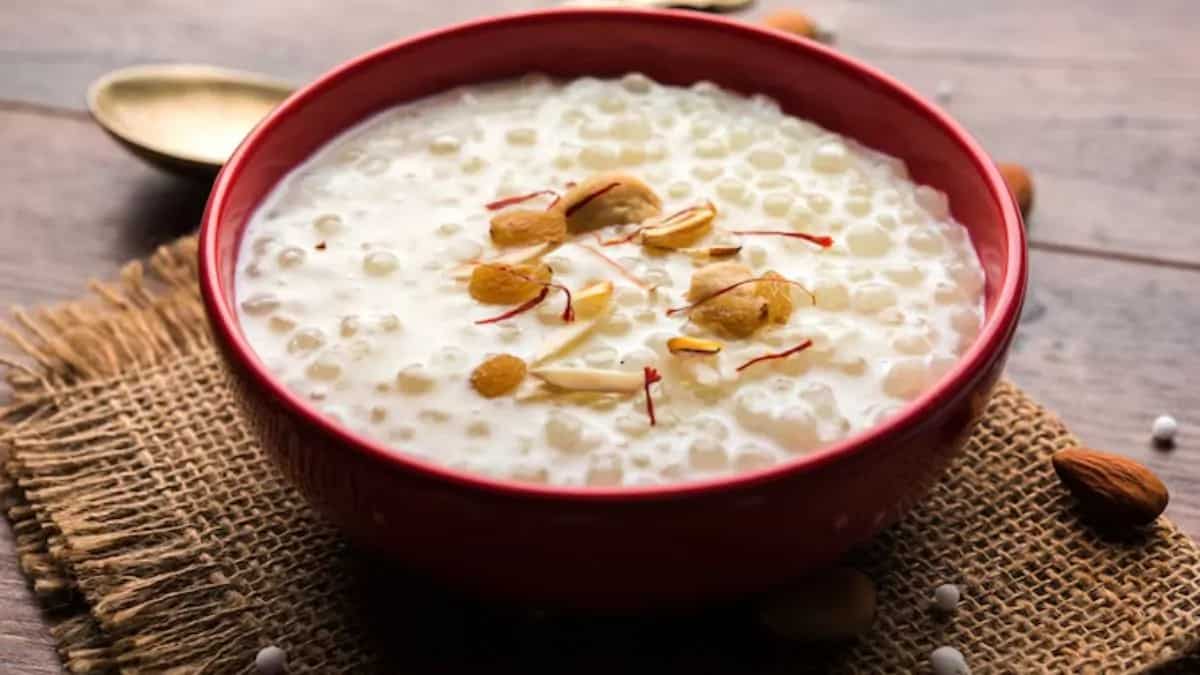
Sabudana practices are quite common during every type of fasting. Sabudana khichdi, sabudana vada or just sabudana kheer can be made as per the rituals.
Halwa And Simple Sweets
A small amount of homemade halwa can also be presented as prasad. Depending on regional and family practices, suji halwa, atta halwa, or vrat-friendly practices can be made.
(Credit: Freepik)
Keeping A Home Rudrabhishek Simple
If you are planning Rudrabhishek at home for the first time, simplicity can make the ritual much simpler to manage. Here are a few things that you can keep this in mind:
- Keep the puja space clean, arrange the needed offerings beforehand and follow the process defined by family practices.
- For Sawan vrat, keep in mind the household's fasting rules before making the food. Some people avoid grains, some vegetables, regular salt and other ingredients during the fasting, whereas practices differ across societies.
- The beauty of performing a Rudrabhishek at home lies less in how detailed the spread is and more in the purpose behind it. A bowl of seasonal fruit, freshly made Panchamrit or a simple vrat-friendly sweet can turn out to be meaningful when offered with all the devotion.