Indian summers are known for their food traditions. Long before cooling packaged drinks and fizzy drinks became common, Indian kitchens used lighter, refreshing, and cooling ingredients to beat the heat. From aam panna and sattu to fennel water and buttermilk, every region has its own summer staple. Among these ingredients, there are sabja seeds and gond katira that are often added to these drinks, which quickly turn them into cooling summer beverages.
These two are often clubbed together, but they are two completely different ingredients. Sabja comes from basil seeds, while gond katira is a natural gum obtained from the sap of certain trees. One is tiny and seed-like, while the other blooms into jelly-like crystals after you soak it in water. Both these ingredients are common in summer drinks, dessert shops, cafes, and even home kitchens every year. Here is how they differ, and which one might work better for your summer routine.
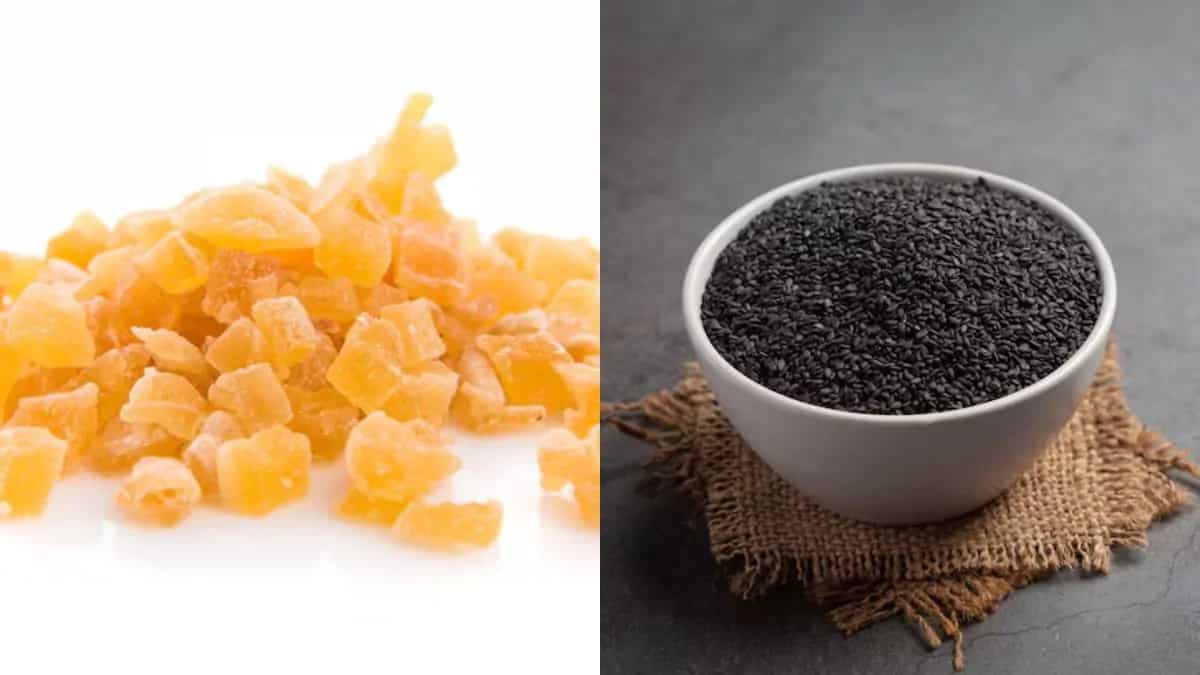
Gond katira, also known as tragacanth gum, looks completely different from sabja. When it is dry, it appears like small translucent crystals, but after soaking it overnight, it expands into a thick jelly-like ingredient. Gond katira is commonly added to rose milk, badam drinks, kulfis, and traditional North Indian summer beverages. Unlike sabja, gond katira gives drinks a richer and heavier texture. It also has cooling properties, and that is the reason why several households use gond katira with milk, Rooh Afza, or dry fruits to create filling summer drinks.
(Image Credit: Freepik)
What Is Sabja?
Sabja, also known as basil seeds, is added to falooda, lemon drinks, milkshakes, and fruit coolers during summer. Once the tiny black seeds are soaked in water, they swell up and develop a gel-like outer layer. Sabja has a neutral flavour, which makes it easy to add to almost any drink without changing its taste. One of the biggest reasons sabja remains popular during summer is that it is light and refreshing. The seeds blend easily into drinks and are especially preferred in beverages that are consumed during the afternoon heat. From roadside falooda stalls to everyday drinks at home to modern cafes serving fruit coolers, sabja is a common ingredient in traditional as well as contemporary summer menus.
(Image Credit: Freepik)
Which One Is More Refreshing In Summer?
The answer to this question depends on what kind of drink you enjoy. If you like lighter drinks like lemon water, fruit coolers, coconut water, and iced teas, then sabja can be a better option. Since it has a soft texture and no strong flavour, it blends smoothly into almost every summer drink.
Gond katira, on the other hand, is more suitable for richer beverages. It pairs well with milk-based drinks, rose syrups, and dessert-style coolers. Its jelly-like texture also makes drinks more filling compared to sabja-based beverages. While sabja is often associated with quick refreshment, gond katira is usually linked with slower, more indulgent summer drinks.
Texture Makes A Big Difference
One of the easiest ways to decide if you want sabja or gond katira to your drinks is by understanding the texture it will bring. Sabja remains soft, tiny, and easy to sip through a straw. It is perfect for drinks that are meant to feel light and smooth. Gond katira creates a thicker texture. When it is soaked properly, it becomes jelly-like and slightly chewy. This makes it more noticeable in drinks and desserts. People who like layered summer beverages like falooda or rich sharbat preparations often prefer gond katira because of the texture it adds.
Which One Is Better For Everyday Drinks?
Sabja is usually easier to include in everyday summer drinks because it takes less time to prepare and can be added to almost anything. It works with lemonade, fruit juices, smoothies, and even plain chilled water. Since the flavour is neutral, many people use it regularly during hot weather.
Gond katira requires a longer soaking time and is generally used in more elaborate drinks. It is not usually added to quick beverages but instead appears in drinks that are prepared more carefully, often with milk, syrups, nuts, or ice cream.