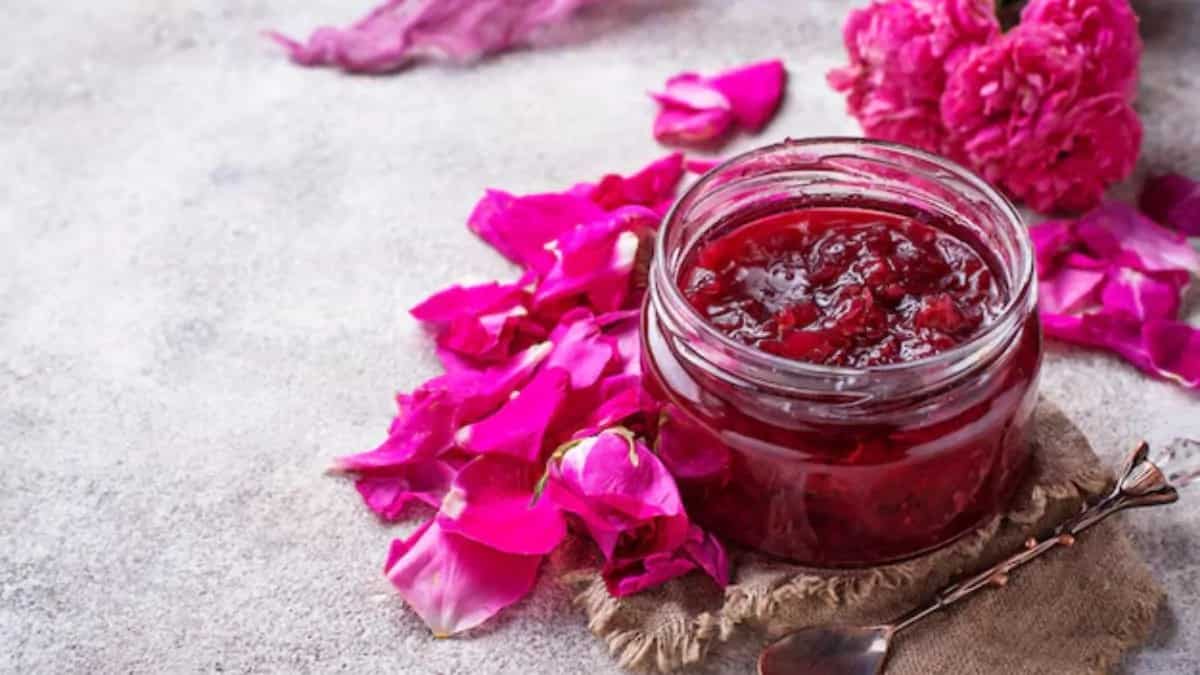
With Valentine's week approaching, Rose Day is just around the corner. It is celebrated on Feb 7 every year. On Rose Day, roses wrapped in cellophane of red and pink varieties are a usual sight. It gives all the romantic feelings and means to be admired. But it is lesser known that, let alone these days, roses in India have always been a part of the diet. Long before it evolved into a gesture of love, it was an ingredient that was stirred into milk, added to sweets, soaked into syrups, and cooked to make gulkand. Forget about just gifting, it was and also is eaten in the Indian diet.
This is why Rose Day is the perfect moment to look beyond just the bouquets. The Indian diet has been flavoured up with roses for centuries, not for romantic reasons alone, but for comfort and its goodness. From sharbats to paan to mouth freshener, the rose has been part of food in ways it is rarely noticed. On a day which is dedicated to celebrating roses, it’s worth recalling those meaningful ways it was meant to be tasted.
Gulkand
Long before rose evolved into a Valentine’s Day symbol, it was in the Indian kitchens as gulkand. Prepared by slowly sun-cooking rose petals with sugar, gulkand was not just a treat, but a remedy. Grandmothers used to feed it to children to cool down their bodies. Not only this, but it also helps in improving digestion and soothing the acidity. The gentle sweetness of gulkand made its medicinal properties feel like a dessert. Even today, a spoon of gulkand in milk or paan is like edible comfort, showing roses were always about balance and not just beauty and love alone.
(Credits: Freepik)
Rose Water
Rose water seldom reveals itself, but many Indian desserts feel incomplete without using it. From kheer and phirni, rasgulla syrup, and falooda, rose water gives aroma. It does not overpower the actual flavour, but its aftertaste works wonders. It has been in use since ancient times. Unlike the synthetic flavours, natural rose water helps in cooling down the palate and lightens the rich, heavy sweets. Now you get to know the reason why many traditional desserts smell sumptuous even before you have the first bite of them.
Rooh Afza
Ask any Indian about one rose-flavoured drink, and the instant reply would be Rooh Afza. More than just a sharbat, it is a nostalgia served in a glass, reminding one of Ramzan iftars, hot summer afternoons and summer vacations. The rose base helps in cooling down the body, reducing heat exhaustion, and makes sugary drinks feel lighter. That’s why rose sharbats are served during the peak summer season.
(Credits: Freepik)
Paan
In paan, rose sits quietly as in gulkand or any rose essence, balancing sharp areca nut and the spices. This was not used just for taste alone; it helped in digestion and freshened the mouth naturally. Paan is often served after heavy meals, during weddings, or at celebrations. The sweetness elevated the experience of the meal. In many ways, Rose made paan more welcoming, particularly for first-time eaters.
Ayurvedic Reasons
Ayurveda has never separated food from recovery, and rose fits comfortably in both worlds. Rose has been described as cooling and calming. Rose petals were added to syrups, churnas, and tonics that were meant to reduce body heat and support digestion. Even today, rose milk or rose-infused drinks feel instantly relaxing, particularly during the summer season.
(Credits: Freepik)