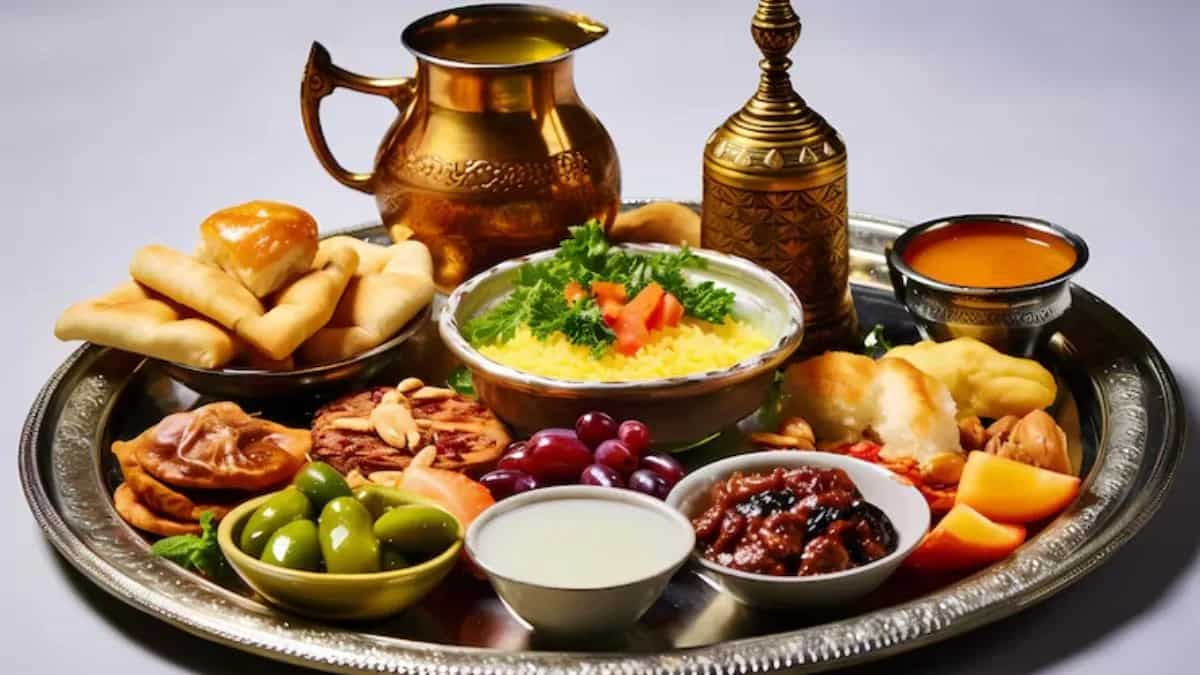
Ramadan 2026 will begin on February 17, 2026 and will conclude on March 19, 2026. The day starts long before sunrise with suhoor, a pre-dawn meal that is eaten ahead of fasting hours. What one consumes at this time often decides whether the day feels effortless or tiring. A cup of tea paired with paratha may feel satisfying at first, but it often leads to thirst, tiredness, and hunger pangs early, even before the iftar. This is why planning suhoor meals matters. The right mix of foods can help the body release energy gradually, keep it hydrated, comfortable and relaxed.
Suhoor meals should be balanced perfectly, gentle on the stomach, and pleasing without being too heavy. The food should give warmth, nutrition, and smart options rather than surplus. When planned well, suhoor becomes a time of care, keeping the body calm, focused and letting the spirit remain the same throughout the day without checking the time for iftar every hour.
What Is Suhoor?
Suhoor is the pre-dawn meal consumed before fasting starts during Ramadan. More than just an early meal, it also sets the tone for the whole day. A well-planned suhoor helps in managing hunger, prevents sudden energy crashes, and keeps the body hydrated during long fasting hours. The goal is not to eat too much, but to eat smart. Choose foods that digest slowly, release energy slowly, and also do not leave you thirsty or feeling lethargic. If done right, suhoor makes the fast feel much lighter and the day more balanced.
Oats Porridge With Dates And Nuts
Oats work perfectly during the long fasting days. They digest slowly and keep the hunger pangs. Cook oats in milk, then add chopped dates for natural sweetness and a handful of nuts. This combination keeps the energy level constant and prevents mid-day fatigue. It is warm, satisfying, and easy on the stomach, making it perfect to have on early mornings when appetite is low and you want to eat less, but also for the entire day.
(Image credit: Freepik)
Vegetable Omelette With Whole Wheat Toast
Eggs are a suhoor staple, as they are filling without being too heavy. A vegetable omelette gives all the necessary fibre and hydration, whereas pairing whole wheat toast with it provides slow-burning carbs, making it a full meal. Vegetable omelette prevents the hunger pangs and keeps you energised during the whole day of the fast. As water is not drunk during the whole fasting day, try keeping spices to a minimum to avoid feeling thirsty later in the day.
Curd Bowl With Fruits and Seeds
Curd keeps the body cool and helps in digestion during long fasting days. In a bowl, take curd and add fruits such as a banana or an apple and sprinkle the soaked chia or flax seeds on it. This bowl feels light and nourishing, and is perfect for those who do not like to have very heavy meals at dawn. This is light and keeps you going through the day.
(Image credit: Freepik)
Moong Dal Chilla With Paneer Filling
Moong dal chilla is easy to digest and is the best meal option when it comes to having a filling meal. Adding paneer makes it more satisfying without making it too oily or heavy. This dish keeps energy levels steady and hunger controlled for most of the day. To make it more satisfying, pair it with a cup of tea. Protein and fibre together slow digestion and keep you full for longer.
Khichdi With Ghee
A soft bowl of khichdi may feel simple, but it is very nutritious. The mix of rice and dal offers balanced carbs and protein, whereas a little ghee helps in absorption and keeps you full for longer. It is a comfort food that digests slowly and prevents any energy dips. To make it more satisfying, pair it with a bowl of curd.
(Image credit: Freepik)