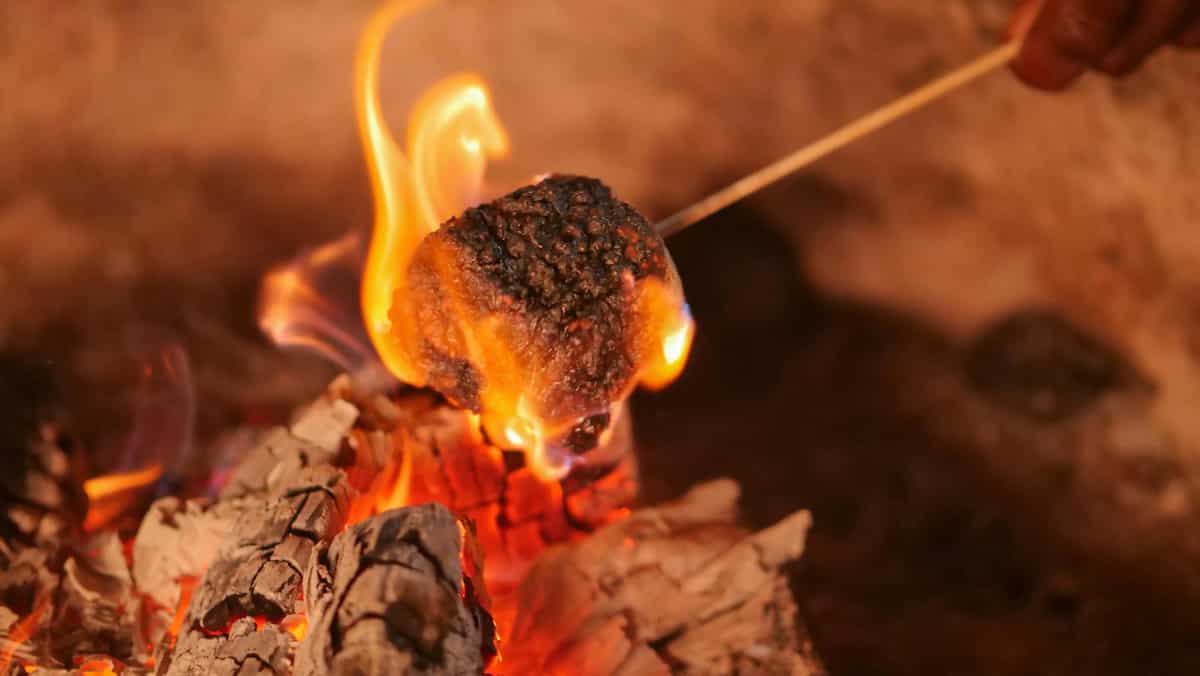
Campfire dessert recipes are evolving beyond their traditional outdoor setting, becoming a practical solution for casual winter entertaining. Their defining feature is adaptability—most recipes can be prepared using foil, skewers, or cast-iron cookware, making them accessible without specialised equipment.
Ingredients are usually shelf-stable, allowing spontaneous preparation without advance planning. Flavours focus on caramelisation, gentle charring, and natural sweetness developed through direct heat rather than baking precision.
These desserts also suit flexible portioning, which makes them ideal for small gatherings or family-style serving. From layered skillet desserts to fire-roasted fruit finished with honey or spices, the emphasis remains on warmth and immediacy. Cooking time is short, reducing the need for constant monitoring, while presentation stays intentionally rustic. Campfire desserts encourage interaction, with guests often assembling or finishing their own portions. This hands-on element adds to their appeal, turning dessert into a shared activity rather than a formal course.
5 Quick Campfire Dessert Recipes To Try
1. Foil-Roasted Spiced Apples
Foil-roasted spiced apples are one of the most reliable campfire desserts because they require minimal preparation and adapt well to both open flames and home ovens. Apples naturally soften when heated, releasing juices that combine with sugar and spice to form a light syrup. This eliminates the need for added sauces or thickening agents. Thinly sliced apples are tossed with butter, a sweetener such as jaggery or brown sugar, and warming spices like cinnamon or nutmeg, then sealed tightly in foil. Cooking happens slowly, allowing flavours to deepen without burning. What makes this dessert effective is heat control—the foil traps steam, ensuring even cooking. The result is soft fruit with caramelised edges and concentrated flavour. It works well for winter because apples hold structure and warmth longer than softer fruits.
2. Chocolate-Stuffed Banana Boats
Chocolate-stuffed banana boats are popular because they use the banana’s natural shape as a cooking vessel. A slit is cut lengthwise, filled with chocolate, nut spreads, or crushed biscuits, and wrapped loosely in foil. As the banana heats, its flesh softens while the filling melts, creating a creamy, spoonable dessert. The peel protects the fruit from direct heat, preventing scorching and reducing handling. This dessert stands out for speed—most versions are ready within minutes. It also allows easy variation without changing the base method. From a texture perspective, the contrast between molten chocolate and soft banana creates richness without baking. Banana boats work particularly well in winter because they retain heat and can be eaten warm without plating.
Read More: Try These 6 Campfire Mushroom Recipes
3. Skillet Biscuit S’mores
Skillet biscuit s’mores reinterpret the traditional campfire treat into a shareable dessert. Instead of individual assembly, layers of biscuits, chocolate, and marshmallows are placed in a cast-iron skillet and heated until the centre melts and the top lightly browns. The skillet distributes heat evenly, preventing burning while allowing gradual melting. This method works well indoors and outdoors, making it adaptable for winter cooking. Unlike classic s’mores, texture plays a larger role—softened biscuits absorb melted chocolate, while marshmallows create a lightly crisp surface. This dessert is efficient for serving groups, as it avoids repetitive preparation. It also allows controlled portioning by slicing rather than handling hot skewers.
4. Fire-Toasted Pound Cake with Honey
Fire-toasted pound cake demonstrates how simple ingredients can be transformed through heat. Plain cake slices are lightly toasted over a flame or hot pan until the exterior crisps while the interior stays soft. This process adds texture without additional cooking. Finishing the cake with honey, fruit syrup, or compote enhances moisture and flavour without heaviness. Pound cake works especially well because its dense crumb holds shape under heat. This dessert appeals in winter because it provides warmth and richness without requiring baking from scratch. Toasting intensifies flavour through caramelisation rather than added sugar. Another advantage is flexibility—store-bought cake works just as well as homemade.
5. Campfire Fruit Skewers
Campfire fruit skewers focus on natural sugars and controlled charring rather than added sweetness. Firm fruits like pineapple, pear, or stone fruits are skewered and heated until lightly caramelised. Direct heat enhances sweetness while adding subtle smokiness. Skewers allow even exposure, preventing collapse during cooking. This dessert is valued for speed and visual appeal, as grill marks and colour indicate doneness. It works well in winter because warm fruit feels comforting while remaining light. Finishing touches such as honey, dark chocolate drizzle, or spice dusting add depth without complicating preparation. Fruit skewers are also adaptable for dietary preferences, making them suitable for mixed groups.