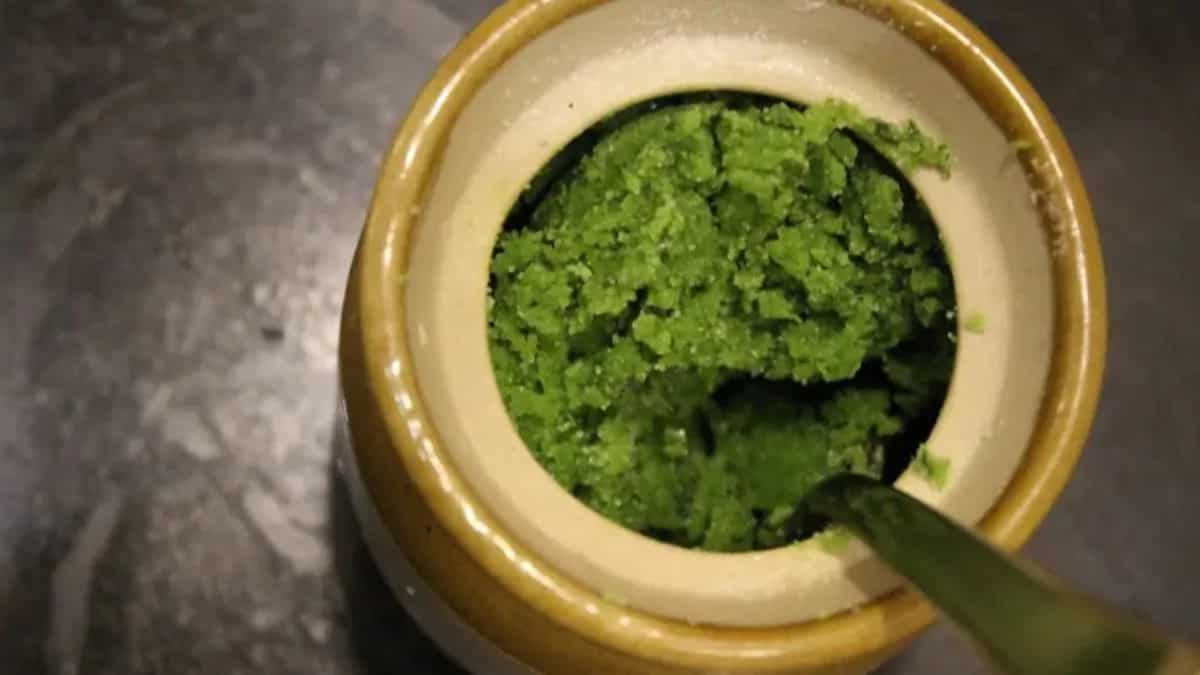
High up in the mist-laden peaks of the Himalayas, where the air is thin and the water runs cold, life moves at a different pace. In the states of Uttarakhand and Himachal Pradesh, the locals have spent centuries perfecting the art of simple living. One of the most cherished secrets of this lifestyle is not a complex dish or an expensive spice, but a humble condiment known as Pisyu Loon. The name itself is derived from the local dialect, where pisyu means ground and loon refers to salt. Collectively, it translates to ground salt. However, calling it just salt would be a disservice to its complexity. It is a coarse, aromatic, and colourful blend of Himalayan rock salt, fresh herbs, and sun-dried spices. For a Pahadi, a meal is often incomplete without a pinch of this seasoning. Whether it is sprinkled over a slice of raw cucumber or stirred into a bowl of thick curd, Pisyu Loon brings the freshness of the mountain air directly to the palate.
What Makes Pisyu Loon Truly Special
In an era of industrial food processing, Pisyu Loon stands out because of its refusal to be modernised. What makes it special is not just the ingredients, but the method of preparation and the cultural intent behind it.
The Magic of the Sil Batta
The traditional way to prepare this salt is on a sil batta, a flat grinding stone used with a cylindrical stone pestle. Unlike an electric mixer or a food processor that generates heat and can oxidise delicate herbs, the slow, rhythmic grinding on a stone preserves the essential oils. The friction of the stone releases the deep aromas of garlic, coriander, and ginger, marrying them perfectly with the salt crystals. This results in a texture that is slightly damp and incredibly fragrant, something a machine simply cannot replicate.
A Spectrum of Colours
While the salt we use in cities is a sterile white, Pisyu Loon is a riot of colours. Depending on the primary ingredients used, the salt can be vibrant green (coriander and green chilli), deep red (dry red chillies), or even yellowish-brown (ginger and cumin). These colours are entirely natural, derived from the pigments of the fresh produce used in the blend.
Image credit: Himalaya2home
The Spirit of Community
In the villages of Uttarakhand, making Pisyu Loon is often a communal activity. Women gather in the afternoons, sharing stories and laughter while the sound of stones clinking echoes through the valley. It is a labour of love, often prepared in large batches to be shared with neighbours or sent to family members living in the plains. It represents a piece of home that travels across distances.
Image credit: Herzindagi
The Traditional Recipe
Making Pisyu Loon is an intuitive process. While there are no rigid measurements, the balance of flavours is key. Here is how you can recreate an authentic green Pisyu Loon at home.
Ingredients
• 200 grams of Himalayan rock salt or coarse sea salt
• 1 large bunch of fresh coriander leaves with tender stalks
• 5 to 6 fresh green chillies (adjust according to your spice tolerance)
• 10 to 12 cloves of garlic
• 1 inch piece of fresh ginger
• 1 teaspoon of cumin seeds
• A handful of fresh mint leaves (optional for extra freshness)
Image credit: Al Jazeera
Method
1. Begin by thoroughly washing the coriander, mint, chillies, ginger, and garlic. It is crucial to pat them dry completely. Any excess moisture will turn the salt into a paste rather than a coarse mixture, reducing its shelf life.
2. On a sil batta or a heavy mortar and pestle, start by grinding the cumin seeds into a coarse powder.
3. Add the garlic, ginger, and chillies. Pound them until they break down into a rough consistency.
4. Add the coriander and mint leaves. Continue to grind until the greens are well incorporated with the other aromatics.
5. Slowly start adding the salt. As you grind, the salt will begin to absorb the moisture and oils from the herbs.
6. The final product should be a damp, grainy mixture. If you find it too wet, you can add a bit more salt.
7. Spread the freshly ground salt on a clean plate and let it air dry in a cool, shaded place for a few hours.
8. Once it feels slightly drier to the touch, store it in a clean glass jar.
Image credit: swaad.manchala on IG
The Health Benefits Of Pahadi Salt
Pisyu Loon is more than just a flavour enhancer; it is a functional food that aligns with Ayurvedic principles. By replacing plain table salt with this herb-infused version, you are introducing several health benefits to your diet.
Improved Digestion
The inclusion of ginger, cumin, and garlic makes this salt a powerful digestive aid. In the cold climate of the hills, digestion can often become sluggish. The spices in Pisyu Loon stimulate the secretion of digestive enzymes, reducing bloating and acidity after a heavy meal.
Lower Sodium Intake
Because Pisyu Loon is so intensely flavoured, you often find yourself using much less salt than you normally would. The herbs provide a sensory satisfaction that reduces the craving for excess sodium, making it a heart-friendly alternative for those looking to manage their blood pressure.
Micronutrient Boost
Commercial table salt is often stripped of minerals and bleached. In contrast, the rock salt used in Pisyu Loon contains trace minerals like magnesium and potassium. Furthermore, the fresh herbs contribute vitamins A and C, along with antioxidants that help fight inflammation.
Respiratory Relief
The pungency of garlic and the warmth of ginger found in certain varieties of Pahadi salt are known to provide relief from cold and cough symptoms. In the hills, a pinch of ginger salt in warm water is a common remedy for a sore throat.
Image credit: neetauniyal on IG
How To Use Pisyu Loon In Your Daily Life
The versatility of Pisyu Loon is limited only by your imagination. While it is a staple in Himalayan households, it fits perfectly into the modern Indian kitchen.
• Fresh Fruits and Salads: The most popular use is as a seasoning for raw fruits like guava, orange, or cucumber. The zing of the salt cuts through the sweetness and acidity of the fruit perfectly.
• Curd and Raita: Stir a half-teaspoon into a bowl of fresh yoghurt or boondi raita. The garlic and coriander notes eliminate the need for any other spices.
• Parathas and Rotis: Sprinkle a little Pisyu Loon on a buttered tandoori roti or inside the stuffing of an aloo paratha for an instant upgrade in flavour.
• Buttermilk (Chaas): A pinch of this salt in a cold glass of buttermilk makes for a refreshing and digestive summer drink.
• Roasted Snacks: Use it to season roasted makhana (foxnuts), peanuts, or even popcorn for a desi twist on classic snacks.
• Chutneys and Dips: It can serve as a base for quick chutneys. Simply mix it with a little bit of water or oil to create a dip for pakoras or tikkas.
Preserving A Dying Legacy
As more people move from the hills to urban centres, there is a risk that these traditional recipes might be forgotten. However, the recent interest in regional Indian cuisines has given Pisyu Loon a new lease of life. Small cooperatives led by women in Uttarakhand are now packaging and selling these salts across the country, ensuring that the craft remains viable and the recipes stay alive. By bringing a jar of Pisyu Loon into your kitchen, you are not just adding a condiment to your pantry; you are supporting a sustainable way of life and honouring the ancient wisdom of the mountains. It is a reminder that sometimes, the simplest things, made with patience and natural ingredients, are the most extraordinary.