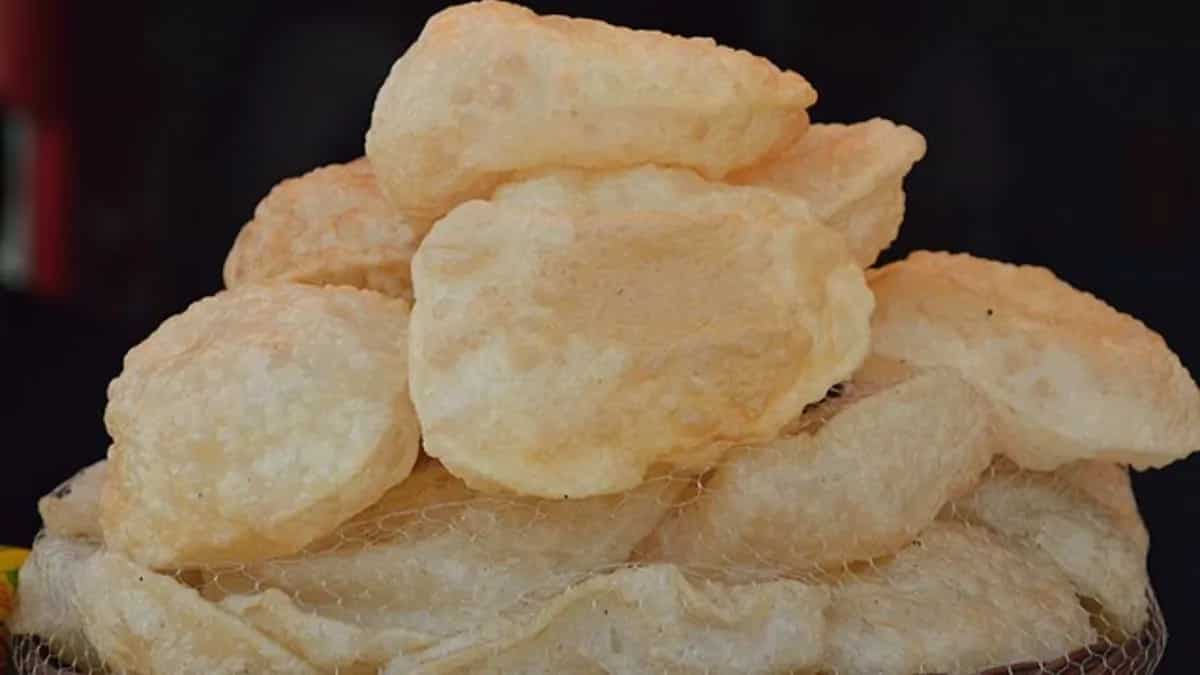
Bengali cuisine is among the richest and most varied in all of India. It is well-known for a number of excellent dishes, including vegetarian, non-vegetarian, and dessert specialities. One of the favourites of Bengali food, which is more than bread but a component of Bengali culture, is the luchi recipe. Luchi is a deep-fried, puffed white bread made of maida flour that is soft, flaky, fluffy, and perfect to scoop up a vast array of delicious dishes.
It's believed that luchi found its way to India via the Portuguese, who introduced refined flour or maida processing methods and used it for baking bread. However, Bengalis couldn't replicate this, so they kneaded maida dough, flattened it into bread, and deep-fried it. Ghee is generously added to the dough, known as 'moyen.' Bengalis typically fry luchis until they puff up, known as 'fulko luchi.'
What truly enhances the flavour of the luchi is the accompanying dish. Luchi is typically served with either a sweet or a savoury side dish. Let's explore some delicious Bengali side dishes that perfectly complement luchi.
Sada Aloo Torkari
This is considered the Sunday breakfast staple of most Bengali households. Here, the colour of the dry potato dish is white owing to the lack of turmeric powder in it. The deep-fried luchi pairs well with the potato curry, tempered with dry red chillies, bay leaf, and kalonji, which lends a unique taste to the dish. For added texture, sometimes green peas and cauliflower are added to the curry.
Image Credit: Wikimedia Commons
Begun Bhaja
Begun, meaning brinjal or eggplant. This is a simple eggplant fry that is a very common dish in Bengali households. Begun bhaja is a quick and easy-to-make side dish that is often enjoyed with luchi. To make this dish, eggplant is cut into slices along with its skin. They are marinated in turmeric powder and salt and then deep-fried in mustard oil. Ask any luchi lover, and you will know the craze for this combination.
Aloo Dum
Aloo dum and luchi go hand in hand and are one of the favourite food combinations of the Bengalis. The subtle flavours of luchi go perfectly with the rich and spicy aloo dum. The best part of the recipe is that this combination can also be made during puja, as it can be cooked without onion and garlic as well.
Image Credit: Wikimedia Commons
Dim-er Dalna
Egg curries are simple to prepare and delicious; everyone frequently refers to them as the no-effort substitute for chicken or fish. This variation is brilliant since it uses boiled eggs that have been pan-fried. The boiled eggs are cooked in oil till golden after being lightly sprinkled with salt and turmeric. Instead of the gravy just rolling off the egg's flat surface, the crust causes it to stick to the egg.
Mihidana
Its name is derived from two words— "mihi," which means fine, and "dana," meaning grain. Made from Gobindobhog rice flour, besan and saffron, the sweet has a fine, lightly grainy consistency and a mild, syrupy taste. The batter is poured through a perforated ladle into hot ghee, creating tiny, crispy grains. This intricate dessert was first popularised in the early 20th century when it was presented to Lord Curzon, the then Viceroy of India, by the Maharaja of Burdwan. Mihidana has since become a symbol of Bengali craftsmanship and culinary artistry and was recognised with a Geographical Indication (GI) tag in 2017.
Image Credit: Wikimedia Commons
Payesh
Bengalis need something sweet to end their meal with, and nothing can be better than payesh or kheer or pudding. This sweet dish is made using rice, jaggery, milk, cardamom, cashews, and raisins. Its rich and sweet flavours complement the subtle taste of the luchi and create a melt-in-the-mouth experience.