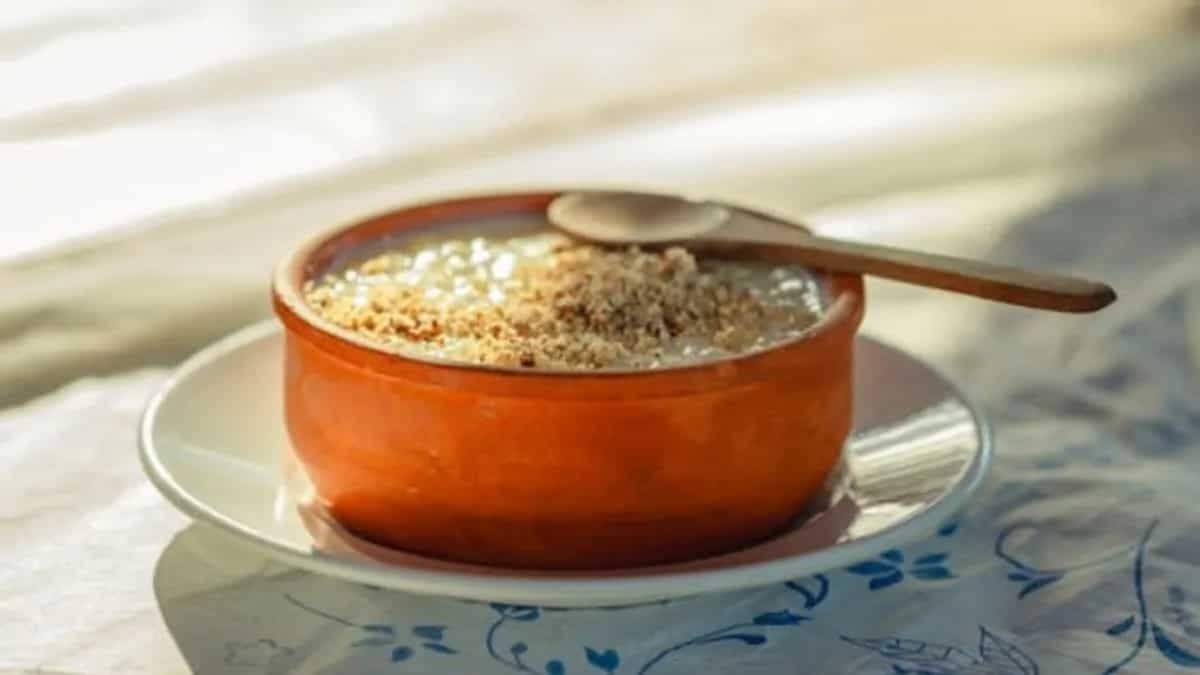
Kutia Kondh, one of India's Particularly Vulnerable Tribal Groups (PVTGs) from Odisha, cultivates a variety of crops such as millets, pulses, cereals, tubers, and vegetables using the traditional mixed cropping technique. For generations, they have relied on rain-fed agriculture. Each crop has its own distinct flavour and scent, and it is strongly ingrained in local culinary tradition. Dedi toda is a popular dish among the Kutia Kondh people in Odisha's Kandhamal district. Made from finger millet, cowpea, and rice, it helps to chill the body and keep people hydrated as the temperature rises in the summer and farm work becomes taxing.
Image Credit: Adobe Stock
On the Kalahandi slopes, the Kutia Kondh conduct shifting cultivation, known locally as dongar chaas or podu chaas, which involves removing areas of hillside, cultivating them, and then moving on to allow the earth to breathe and heal. Finger millet, also known as ragi, is their principal crop, farmed during the Kharif season between June and September with no chemical fertilisers or outside assistance, just seed, soil, and periodic rain.
What Is Dedi Toda Essentially?
One meal produced with these various vegetables is dedi toda, or traditional porridge. It is a summer treat prepared from finger millet, also called as dedi in Kui (the language of Kutia Kondh), cowpea or toda, and rice. The texture of dedi toda is thick and velvety. It combines the mild sweetness of finger millet with the nutty taste of cowpea. It is often served with boiled greens, stir-fried seasonal veggies, and mango chutney.
You are supposed to start by boiling water in a saucepan, then add cowpeas and rice. Finally, add the finger millet flour and thoroughly blend it so that no lumps develop. Today, many families in the community continue to prepare dedi toda, a meal that many people associate with their youth, when parents and siblings sat in the kitchen and delicately poured dedi toda into sal leaf bowls. Dedi toda grew straight out of this agrarian existence. It was never a celebratory or ceremonial dish; it was utilitarian, therapeutic, and designed to chill the body and refresh people working the land under a blazing sky.
Image Credit: Adobe Stock
Millets have never been only sustenance for the Kutia Kondh; they have always served as an ancestral ecosystem, linking the people to the earth, memory, and identity throughout generations. Dedi toda, simple as it is, carries all of that.
Preparing Odisha’s Dedi Toda For The Summers
There is no hurry in the making of dedi toda. That, perhaps, is the first thing to understand about it. Summer temperatures in Kalahandi, home to the Kutia Kondh, may reach 45 degrees Celsius. During these months, the people work in woods and fields under a scorching sun. Dedi toda was created for just this scenario. Finger millet porridge has a naturally cooling impact on the body—it reduces excess heat, neutralises acidity, and provides consistent energy to individuals who cannot afford to stop. The cowpea provides protein, the rice gives body, and they accomplish what no cold drink can: they sustain.
The cooking process begins with cowpeas being thrown into a saucepan of boiling water and let to soften gently over a low burner. Only once the cowpeas have nearly succumbed does the rice enter the saucepan, where it remains until both are completely cooked. Then comes the most artistic step: finger millet flour is combined with water to make a smooth slurry, which is gradually put into the pot, with the chef stirring continually and never resting to coax the mixture into a thick, even porridge with no lumps. It simmers for another ten minutes before being removed from the heat and allowed to cool and settle. However, referring to dedi toda as purely functional is to misunderstand the point. It is the knowledge of generations crushed into a bowl—a knowing that the earth offers not just food but also medicine, sustenance and care. Every steady stir, every patient simmer, is an expression of that wisdom being passed along.
Dedi Toda In Urban Odisha & Summers
In Bhubaneswar's air-conditioned kitchens and Cuttack's congested flat blocks, dedi toda is rarely seen. Urban Odisha has turned to smoothies and protein drinks to fight the heat, generally unaware that a hillside porridge has been doing the job considerably more quietly and smartly for generations. Some Kutia Kondh families who have moved to cities continue to prepare it in the summer, using a pot over a tiny flame, the same steady stir, and the same patience, transporting the hills in a bowl.
Perhaps that is the way it should be. Not all treasures require a menu, a price, or a viral event. The less the world focuses on dedi toda, the more it stays what it has always been, not a dish, but a proclamation of who the Kutia Kondh are, delivered in the one language that truly matters, the one you eat.