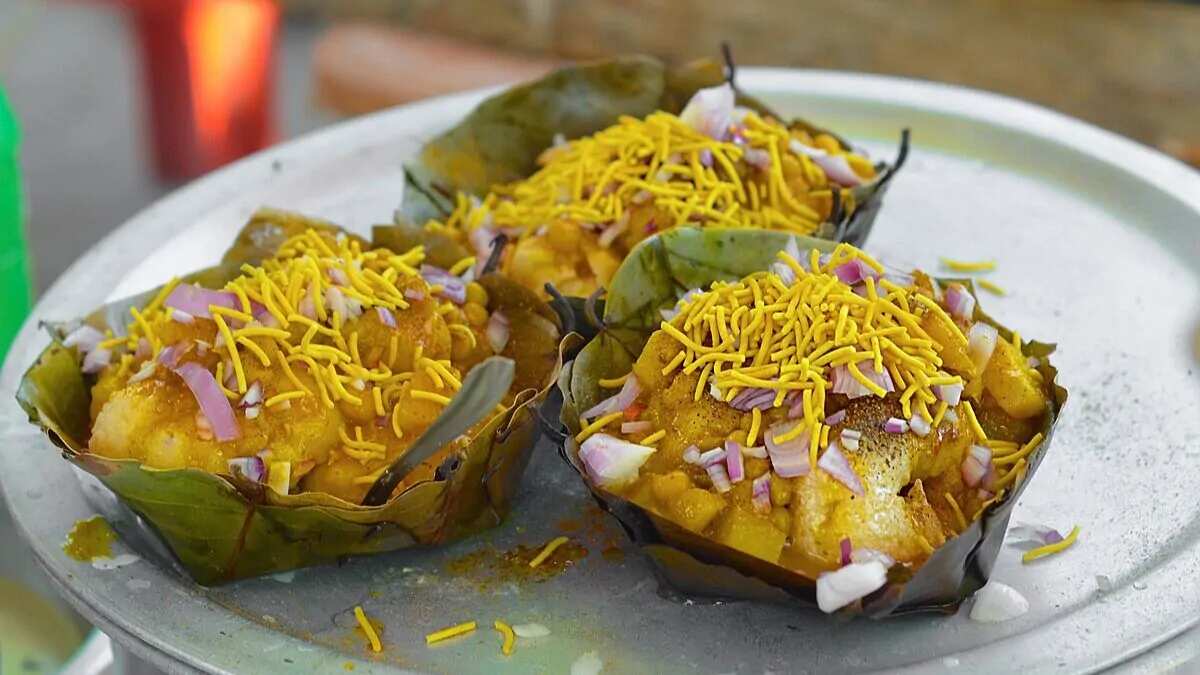
Dahibara Aloodum is one of Odisha’s most loved street foods and holds a special place in the state’s everyday food culture. The name comes from dahi (curd) and bara (soft savoury lentil dumplings). While it may look similar to dahi vada, the flavours and toppings make it completely its own. Dahibara Aloodum is one of the most well-known street foods in the cities of Puri, Bhubaneswar and Cuttack. And now, the people and organisations of Odisha are trying to get this delicacy, a Geographical Indication (GI) tag, so that it may be recognised across the country.
The government of Odisha is ready to assist them in this. The delicacy's popularity among Odias was underlined by MSME Minister Gokulananda Mallik on December 5, 2025, who also noted that the dish has been included in the Centre's ‘One District One Cuisine’ initiative. He outlined how the action will improve dahibara aloodum's reputation as a culinary icon by promoting it on a national and international scale. He added that although the MSME Department cannot apply for a Geographical Indication (GI) tag directly, it will assist organisations, people, or stakeholders who want to register with Chennai's GI Registry.
What Makes Dahibara Aloodum So Unique?
Dahibara Aloodum is typically consumed for breakfast; it is equally well-liked as a snack throughout the day in Odisha. It is still one of the state's most recognisable dishes since it is simple, cosy, and flavourful. After finishing a plate, it is customary in Odisha to request more seva and dahi pani. Although some vendors now provide a slightly sweeter version of the bara, which has a pleasing sweet-and-sour, chaat-like flavour, the dish is still noted for its strong, fiery flavours.
Image Credit: Wikimedia Commons
Because of the dish's immense popularity among the Odisha population, organisations are advocating for a GI tag. Receiving a GI tag on this dish will also lead to a boost in Odisha's culinary tourism. It would undoubtedly encourage travellers and foodies from all over the world, not just India, to come and try this dish.
Also Read: Darjeeling’s Mandarin Orange Receives GI Tag; Third For The Region After Dalley Khorsani And Tea
The iconic pairing of dahibaras and the potato curry is believed to have originated in Old Cuttack, where street food vendors near the Barabati Fort first combined baras with spicy potato curry. The unique combination gained popularity, and since then, it has been widely relished across Odisha. Dahibara aloodum also got an award at the National Street Food Festival held in New Delhi in the year 2020.
Image Credit: Wikmedia Commons
Odisha has a GI tag on 27 items. They consist of four food items such as the Odisha rasagola, Kendrapada rasabali, Dhenkanal magji, and Similipal kai chutney, seven agricultural goods, and sixteen different types of handicrafts. This also includes nine products—eight handicrafts and one food item—that are currently awaiting GI registration. Palua laddu from Bhadrak, rice craft from Balangir, tribal jewellery from Dhenkanal, solapitha craft from Puri, stone carving utensils from Nilagiri, Odisha dhokra casting, lacquer toys from Balasore, straw craft from Dhenkanal, and paper mache masks from Puri. Dahibara aloodum may soon receive a GI-tag if all goes according to plan!