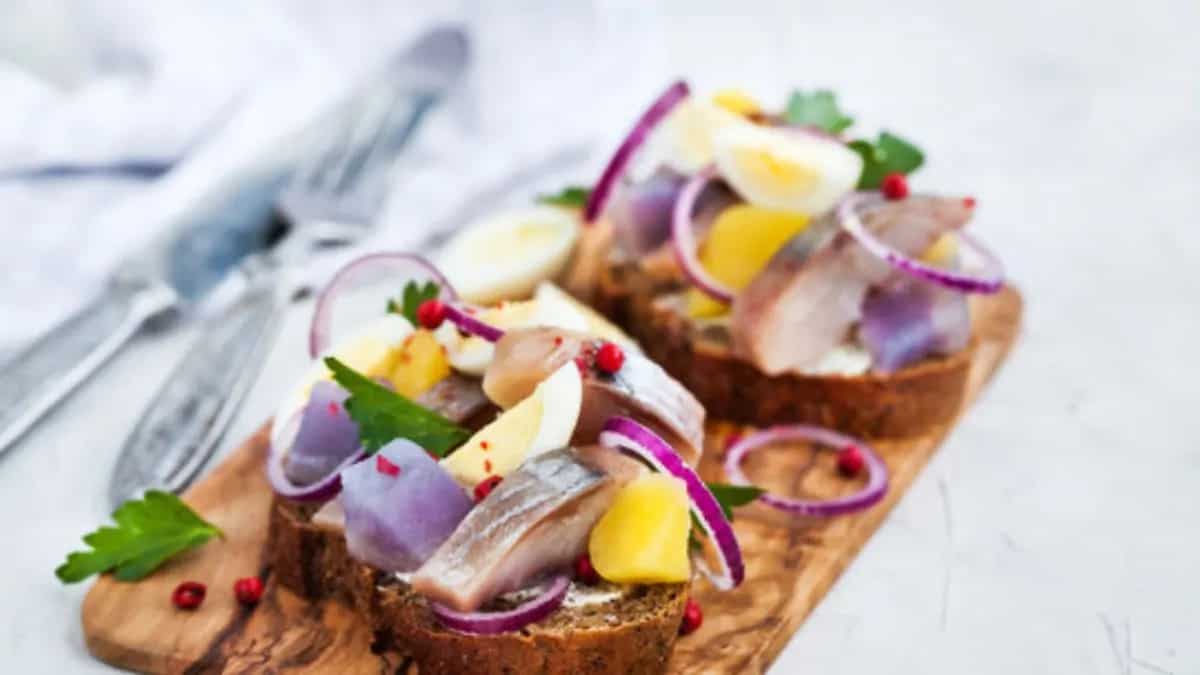
Nordic countries spent centuries working with short summers and long cold months, and families had to find ways to protect their food without modern appliances. They slowly developed methods that used natural bacteria, salt, sugar, airflow and cold temperatures to extend the life of vegetables, fish, herbs and dairy. These methods grew into recognisable flavours within Scandinavian cuisine and they remain part of daily meals even now.
Image credit: Pexels
Indian kitchens already hold their own habits of storing and stretching ingredients through pickles, sun-drying, curd making and fermenting batters. Nordic techniques feel well-rooted when seen through this wider picture because they rely on everyday ingredients and patient processes. They help reduce waste, they create new textures and they introduce flavours that feel completely usable in Indian home cooking.
Image credit: Pexels
Fermenting: Building Freshness, Sharpness And Better Shelf Life
Fermentation is a long-practised Nordic method that depends on natural bacteria converting the sugars in vegetables or dairy into acids. This natural change creates a layered flavour that has brightness and depth. It also protects the food from spoiling. Fermented vegetables stay firm, and fermented dairy remains stable even after several days, which made it a reliable winter staple in the Nordic region.
Image credit: Adobe Stock
Fermentation supports better digestion because it introduces helpful microbes into meals. It stretches the life of everyday vegetables without relying entirely on the refrigerator. It adds a lively, tangy profile to daily dishes, which makes even simple meals feel more rounded. The method needs nothing more than a clean jar, a measured amount of salt and a quiet corner of the kitchen, which makes it friendly for small households.
Classic Nordic Fermented Foods
- Fermented cabbage made with salt and water and kept in jars for winter meals
- Fermented root vegetables that keep their structure and taste fresh for weeks
- Cultured dairy products such as kefir, which remain stable because of the natural bacteria
Image credit: Adobe Stock
Ways Indian Home Cooks Can Use This
Indian kitchens understand fermentation intuitively because curd, dosa batter and certain pickles depend on the same natural changes. Below are a few simple approaches:
- Ferment shredded cabbage or radish with salt and water and allow it to sit for a few days until it becomes mildly sharp.
- Add aromatics like bay leaves, mustard seeds or peppercorns for a restrained flavour.
- Use fermented vegetables as toppings for khichdi, dal, grain bowls or sandwiches.
- Add a spoon of fermented brine to dressings to give a quiet tang.
Also read: Hygge Rituals & Recipes: Nordic Gentle Living Adapted For Indian Winters
Curing: Creating Structure, Stability And Slow-Developing Flavour
Curing holds a strong place in Nordic food traditions because salt and sugar helped protect fish and vegetables long before refrigeration. Salt and sugar draw out moisture, and this moisture loss slows down bacterial growth. The method keeps the ingredients firm and stable for longer periods and allows flavours to develop gradually.
Image credit: Adobe Stock
Curing helps people prepare food ahead of time and reduces kitchen stress during busy days. It keeps fish smoother, vegetables firmer and flavours more consistent. Cured foods store well in the fridge and cut down on waste because the ingredients do not spoil easily. Since the method uses basic pantry items, it fits into Indian kitchens without any difficulty.
Well-Known Nordic Cured Foods
- Gravlax prepared with salt, sugar and herbs
- Cured herring stored in brine
- Vegetables cured with salt and kept for winter meals
Image credit: Adobe Stock
Using Curing In Indian Kitchens
The idea of curing can be adapted using local produce with no change in technique. Here are some workable ideas:
- Cure small fillets of bhetki or basa using salt, sugar and a herb of your choice such as dill or coriander stems.
- Cure thin slices of carrot or beetroot to achieve a firmer texture.
- Add aromatics like lemon zest or curry leaves to the curing mixture for a clean aroma.
- Serve cured vegetables with rice, bread or simple weekday meals that need a bright element.
Drying: Concentrating Flavour And Extending Pantry Life
Drying is one of the oldest Nordic habits because the region has long stretches of cold air and wind that naturally remove moisture from food. When the moisture leaves, the flavours become more defined and the ingredients stay shelf-stable for months. Households used drying for berries, herbs, vegetables and fish.
Image credit: Adobe Stock
Drying reduces dependence on the refrigerator and makes it easier to maintain a small pantry. It helps preserve herbs that wilt quickly in warm climates, and it creates concentrated vegetable pieces that can be used in soups, dals, pulao or simple weekday lunches. Drying also encourages better use of seasonal produce because herbs and vegetables can be saved before they lose their freshness.
Traditional Nordic Dried Foods
- Uncooked dried fish hung outdoors
- Berries dried during the short summer and used during winter
- Herbs collected and dried for broths
Image credit: Adobe Stock
How Indian Kitchens Can Adapt Drying
Indian weather demands a few adjustments, yet the process remains straightforward. Here are some approaches that work smoothly:
- Dry herbs like dill, coriander or curry leaves in a shaded spot with good airflow.
- Dry thin slices of beetroot, carrot or sweet potato in an oven at low temperature.
- Dry small fish or prawns during low-humidity periods to keep them safe.
- Store dried foods with a small amount of coarse salt to absorb any moisture.
Image credit: Adobe Stock
Why These Methods Matter In Daily Indian Cooking
Nordic preservation has become part of modern Scandinavian cuisine because the flavours are deeply recognisable, clean and rooted in regional history. Indian home cooks can use these ideas to handle seasonal surplus, build new textures, and create interesting side components that brighten simple meals. These methods only involve simple steps that provide long-term benefits in the kitchen.
Image credit: Adobe Stock
How To Experiment With Nordic Methods at Home
Home cooks can begin with small amounts and simple produce. This helps understand how flavour changes over time.
Easy Starting Points
- Prepare a small jar of fermented carrots or radish.
- Cure thin slices of beetroot with salt, sugar and citrus zest.
- Dry leftover herbs in a shaded spot and use them in soups or rice dishes.
Combining the methods also works well. Lightly curing vegetables before drying gives an even more defined flavour.