Whilst moving through the last days of a year, the “New Year, New Me” starts to get louder. However, if you’ve noticed, in the previous years, the notions have started to sound different. Unlike the previous years, January nomore looks like a punishment where people are chugging detox drinks, staying away from desserts, and stacking boxes of whey protein.
Slowly, but steadily, the transition from fad diets to conscious eating has come to play. Since the restrictive diet usually starts after an unforgettable New Year’s Eve and fades away before Valentine’s Day, people are moving away from rigid diets and embracing a sustainable lifestyle. To get an expert opinion, Slurrp interviewed two nutritionists, Neha Shirke and Preety Tyagi. Why don’t you scroll through to get a healthy checklist for 2026 without sacrificing your favourites?
Crash Diet VS Conscious Eating
In India, food is the language of love. From weddings to festivals to family dinners, every special occasion is centred towards food. With a major event or festival taking place every month, the Western-style restrictive diets are not a practical option for Indians. Either they guilt themselves into eating just ‘a little about’ or have to sacrifice with a heavy heart and a grumpy mood.
To eat healthy and still make room for favourites, nutritionists have observed a shift from crash dieting to conscious eating. According to Neha Shirke, Senior Dietitian at DPU Super Specialty Hospital, Pimpri, Pune, the shift is both real and overdue. “People are realising that extreme diets, whether it’s cutting out entire food groups or surviving on detox juices, simply don’t work in the long run. They leave you tired, frustrated, and often heavier once the diet ends,” she notes.
Image Credit: Freepik
"Traditional Indian meals are diverse, balanced, and deeply social," says Shirke. "Rigid elimination of staples like rice, chapati, or ghee is difficult to sustain and clashes with our cultural habits. When we forbid these foods, we don't just lose weight; we lose our social connection, leading to a sense of isolation and eventual rebellion against the diet.”
Practical New Year’s Resolutions
Gone are the days when people would sit down to make a New Year’s resolution list with ‘crash dieting’ as one of the ways to lose weight. More and more people are realising every day that a restrictive diet will only last a couple of weeks or months. But healthy eating, swapping certain ingredients with millet, and other lifestyle changes are what will keep them fit in the long run.
Image Credit: Adobe Stock
“Research shows that long-term consistency matters more than short-term intensity. Blood sugar balance, gut health, hormone regulation, and muscle maintenance cannot thrive under extreme restriction,” Preety Tyagi, a certified nutritionist and founder of Nutrishifts by Preety, says. “Sustainable eating adapts to life stages, work stress, seasons, and health needs. Importantly, it does not label foods as “good” or “bad” but looks at portions, frequency, and balance. Contrary to it, resolution diets often create an all-or-nothing mindset, and one slip feels like failure.”
New Year, New Plate
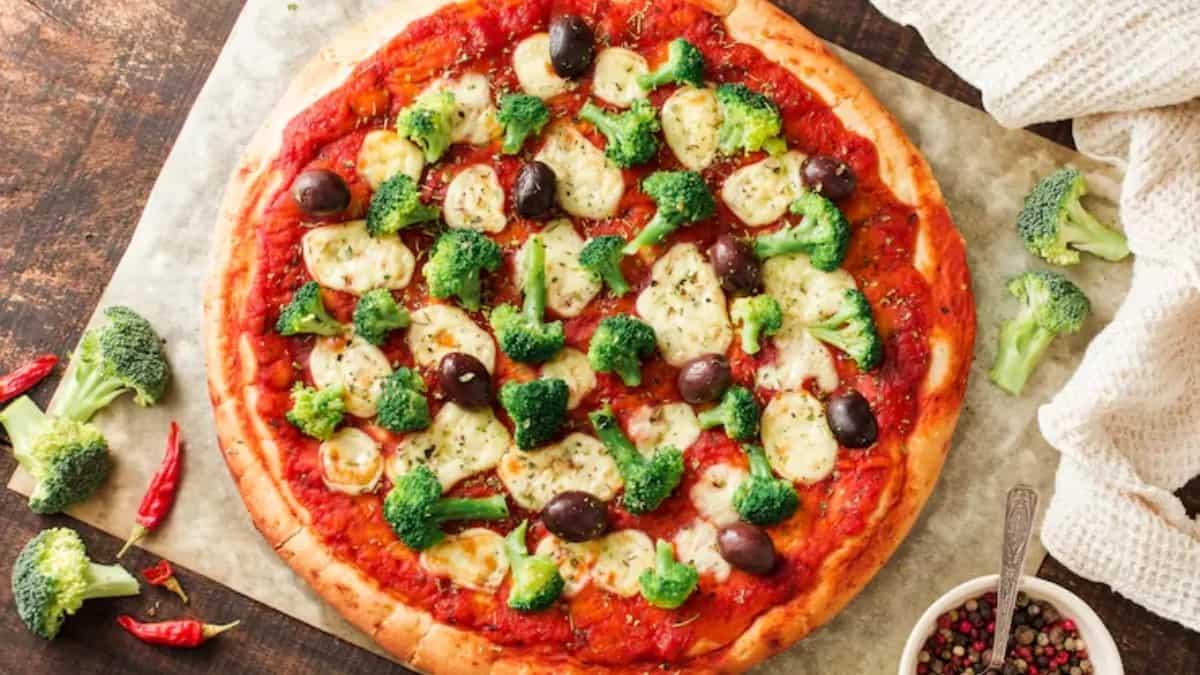
A sustainable lifestyle does not require you to skip your favourite foods. You don’t have to put your guards up when you crave a pizza. All you need to do is swap smartly, create healthier recipes, and enjoy without the lingering guilt.
Image Credit: Pexels
Neha Shirke advises these simple changes that you can easily make to your daily meals.
- Replacing white rice or maida with whole grains like brown rice, millets, or quinoa adds fibre and keeps energy steady throughout the day.
- Instead of deep-frying, try air-frying, baking, or sauteing with less oil. By doing this, food stays crispy but lighter.
- Swap refined sugar and jaggery for natural sweeteners such as dates to cut empty calories.
- Usage of mustard, olive oil, safflower, sesame, and rice bran oil instead of other hydrogenated fats is recommended for heart health.
- Opt for millets. They are rich in fibre, minerals, and have a lower glycemic impact than many polished grains, helping steady blood sugar levels, support digestion, and keep you fuller for longer.
- Don't just swap sugar for honey and eat the same amount. Focus on reducing quantity and using unrefined options like dates.
Know When To Eat And How Much
Portion control and timing your meals will also help move towards a healthy lifestyle. “Eating familiar foods in appropriate portions reduces feelings of deprivation and makes consistency easier,” Preety mentions. “In Indian meals, portions often skew toward grains, with smaller amounts of protein and vegetables. You can rebalance your place with higher amounts of macronutrients, and it will lead to improved blood sugar levels. You will also feel fuller without completely abstaining from your beloved dishes.”
“Meal timing matters too. Eating at regular intervals, finishing dinner earlier, and avoiding late-night snacking give the body time to metabolise food efficiently and support better digestion and sleep,” Neha adds.
Your Sustainable Eating Checklist For 2026
Here’s a foolproof checklist by Preety Tyagi to help you stick to your sustainable eating habits for the New Year.
Image Credit: Freepik
- Build your habits around ordinary days, not celebrations. Festivals, weddings, and dinners out make up a small fraction of the year. What you eat to fix your Monday blues or after a tough Wednesday will define your health. If you have your daily meals sorted, you won’t have the guilt of eating out on special occasions.
- There’s no need to toss out your comfort food. Improve it to make it a balanced meal. For instance, if you love parathas, or rajma chawal, or biryani, pair it with sauteed vegetables, yoghurt, and a side of protein.
- Fix the portion of your food before you start eating, not after you start to feel full. If you’re aware of how much you’re aiming to eat, you’ll not feel restricted. Add food to your plate once, chew slowly, and enjoy every bite.
- Protect your first meal of the day. A nourishing breakfast with protein and fibre sets appetite, energy, and cravings for the next 10 hours.
- Don’t label eating out as a ‘cheat meal’. You should plan recovery, not punishment. After indulgent or fatty meals, return to hydration, lighter foods, and movement, never starvation.
- Stop falling for health trends. You don’t need a new diet every month. Just sustain your balanced meals throughout the week, and that’s all you need.