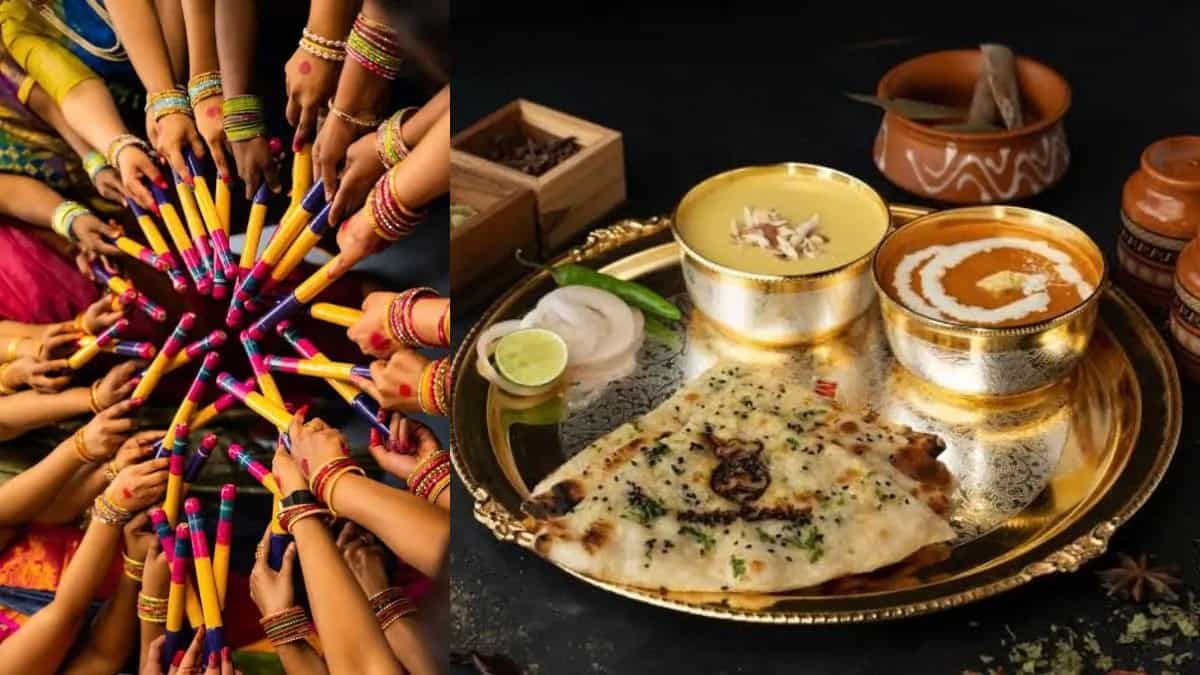
Every autumn, the air across India thrums with the unmistakable beat of the dhol, signalling the arrival of Navratri. As millions gather in illuminated grounds to perform the garba, the sheer physical exertion of the dance naturally builds a roaring appetite. Historically, this post-dance hunger was satiated through a highly mindful approach to eating. The food consumed during the festival was strictly governed by the principles of the upvas, focusing on purity, easy digestion, and sustained energy. Today, however, a stroll through the food stalls outside any major garba venue reveals a strikingly different landscape. The modest stalls serving fasting staples have been joined, and often overshadowed, by bustling food trucks offering everything from loaded fries to molten cheese sandwiches. This transformation reflects a broader societal shift, capturing how urbanisation and changing palates have redefined the midnight festive experience.
Image credit: Pixabay
The Wisdom Of Traditional Farali Nutrition
To understand the original approach to Navratri snacking, one must look at the science behind farali cuisine. Farali, derived from the word for fasting, relies on ingredients that provide an instant energy lift without burdening the digestive system. After hours of rigorous twirling, the body requires deep replenishment. Traditional staples like sabudana khichdi, roasted makhana, and rajgira chilla served exactly this purpose. Sabudana is rich in carbohydrates, offering a rapid energy spike, while the inclusion of peanuts provides essential fats and proteins required for physical endurance.
Furthermore, these ingredients were traditionally prepared with rock salt, commonly known as sendha namak, which aids in maintaining the crucial electrolyte balance for dancers sweating profusely in the October heat. Hydration came naturally through cooling beverages like buttermilk, coconut water, and light milk-based desserts. The true genius of this traditional grub lies in its simplicity. Ingredients like sweet potatoes, singhara flour, and fresh fruits are inherently gentle on the stomach. Eating a bowl of fruit and curd or a handful of nuts ensured that participants could wake up the next morning feeling light, refreshed, and entirely ready to dance again.
The Modern Midnight Street Food Phenomenon
Fast forward to Navratri in the recent years, and the post-garba food scene is an entirely different spectacle. As modern garba events have grown into massive urban festivals featuring dazzling lights and high-tempo DJs, the culinary offerings have evolved to match this high-octane energy. The contemporary reveller often seeks comfort in unapologetic indulgence. The midnight hour brings intense cravings for bold flavours, leading dancers straight from the venue to the nearest street food hubs.
In cities like Ahmedabad, markets such as Manek Chowk come alive well after dark, serving a legendary array of late-night street food to massive crowds. The menus here heavily feature buttery pav bhaji, rich chocolate sandwiches, and an assortment of cheese-laden dosas. The modern palate frequently associates celebrations with culinary freedom, meaning the strict norms of fasting are often bypassed by the younger generation. After sweating through an energetic set, a steaming plate of spicy noodles or a heavy fast-food item feels like a hard-earned reward. Food vendors have adapted brilliantly to this shift, creating fusion dishes like farali pizzas or cheese-stuffed fasting snacks to cater to those who want the thrill of street food while technically adhering to broad dietary boundaries.
Image credit: Freepik
Analysing The Merit In Both Worlds
It is incredibly easy to dismiss the modern craving for cheesy, heavy street food as a mere lack of discipline, but there is genuine merit to this culinary evolution. Navratri is profoundly communal, and food serves as a universal social glue. The act of gathering around a brightly lit street food cart at two in the morning, sharing a buttery dish with friends, builds festive memories that last a lifetime. Food is an anchor for social connection, and the modern food street provides a vibrant, inclusive space for people to bond long after the music stops.
Image credit: Unsplash
Conversely, the traditional approach carries the profound merit of time-tested physiological wisdom. The practice of consuming light, easily digestible food respects the fundamental needs of the body. Dancing is a rigorous cardiovascular workout, and feeding the system heavily processed, greasy food late at night can severely disrupt sleep patterns and muscular recovery. The ancestral dietary ways were carefully designed to sustain a person over nine continuous days of physical exertion and spiritual observance. They honoured the seasonal transition into winter, preparing the immune system through mindful, restorative eating.
Image credit: Pixabay
Why The Traditional Approach Triumphs For Health
When viewing this evolution through a health-conscious lens, the traditional farali approach undoubtedly holds the upper hand. The human digestive system naturally slows down as midnight approaches. Consuming highly refined flour, processed cheese, and deep-fried savouries at such a late hour forces the stomach into overdrive. This frequently results in lethargy, acidity, and a sluggish feeling the following morning, directly impacting one's stamina for the remainder of the festival.
Traditional snacks, on the other hand, are remarkably functional. Fox nuts, or makhana, are incredibly light and packed with beneficial antioxidants. A midnight smoothie made of banana and almond milk replenishes potassium lost through sweat without causing an unwanted sugar crash. By focusing on complex carbohydrates from root vegetables and natural sugars from dates and fresh fruits, the traditional diet ensures steady blood glucose levels. For those committed to dancing all nine nights, prioritising this gentle nutrition is the most effective way to prevent mid-festival burnout.
Image credit: Pexels
Striking A Balance Between Devotion And Cravings
As we navigate the vibrant landscape of Navratri 2026, there is no need to completely banish modern indulgences, nor must we strictly confine ourselves to a rigid fasting diet if it dampens the festive spirit. The ideal solution lies in a mindful compromise. Those seeking to balance robust health with festive joy can adopt a highly strategic approach to their garba grub.
One highly effective method is to prioritise traditional, nutrient-dense foods before heading out to dance. Consuming a wholesome meal of rajgira rotis or a robust bowl of sweet potato bhel early in the evening builds a remarkably strong physical foundation. When the late-night hunger inevitably strikes, revellers can opt for modern fusion items that incorporate healthier ingredients. For instance, swapping a heavy cheese sandwich for a paneer-stuffed farali taco satisfies the modern craving for exciting textures while fully respecting the body's desperate need for lighter fare.
Image credit: Unsplash
Ultimately, the evolution of Navratri food is a beautiful testament to India's dynamic cultural fabric. By honouring the profound nutritional wisdom of our ancestors while consciously leaving room for the joyous indulgence of the modern food street, revellers can truly enjoy the absolute best of both worlds. The true spirit of the festival is found in this very balance, ensuring that our bodies remain just as energised as our souls during these glorious nine nights.