


 Share
Share

As October 11 approaches, marking the beginning of Sharad Navratri 2026, the country prepares for nine nights of intense devotion and celebration culminating on October 19. For many people, the festival is synonymous with the energetic swirling skirts and rhythmic drum beats of Gujarat. However, when you step outside the western borders, a completely different narrative unfolds. Across the diverse states of India, the festival is celebrated with unparalleled culinary enthusiasm. Food takes the centre stage, acting as a medium for prayer, communal bonding, and seasonal transition. Whether observing strict dietary purifications or indulging in grand autumnal feasts, the regional kitchens of India offer an incredible array of flavours. This journey explores how different communities interpret the nine nights through their local ingredients, creating a vast mosaic of festive food that remains largely unexplored by the mainstream.
West Bengal And Odisha: The Grandeur Of Durga Puja Bhog
In the eastern corridor of the country, particularly in West Bengal and Odisha, the festival transforms into the monumental Durga Puja. Here, the concept of fasting is gracefully replaced by communal feasting. The epicentre of the daytime celebration is the pandal, where devotees eagerly await the afternoon bhog. The undisputed star of this offering is the niramish khichuri, a robust, golden porridge made from roasted yellow lentils and short grain Govindobhog rice. Because onions and garlic are strictly forbidden in temple offerings, the dish relies entirely on a crackling tempering of cumin, ginger, and ghee.
This comforting bowl is always accompanied by labra, an intensely flavourful vegetable medley that stews seasonal produce like pumpkin, ridge gourd, plantains, and sweet potatoes in pungent mustard oil. In neighbouring Odisha, the temple offerings are equally grand, culminating in the distribution of chhena poda, a deeply caramelised baked ricotta dessert that boasts a beautifully smoky crust.
As daytime reverence transitions into evening revelry, the streets come alive. Bengali households and street vendors turn their attention to rich, celebratory meats. Kosha mangsho, a dark and heavily spiced mutton curry cooked slowly over several hours, is served with fluffy, deep fried luchi bread. River fish, particularly hilsa, makes a highly auspicious appearance in mustard gravies, proving that eastern Indian festive food is entirely unique in its celebration of non vegetarian abundance.
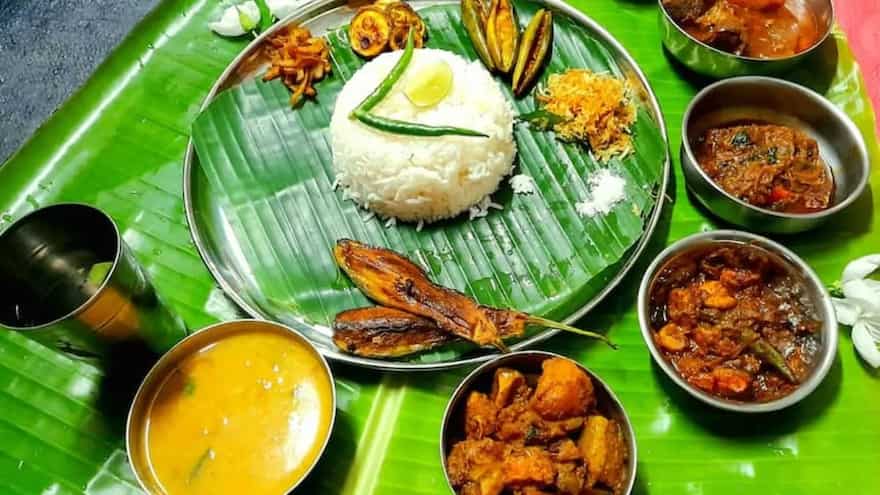
Image credit: Adobe Stock
North India: The Inventive Science Of Sattvik Fasting
Travelling up to Delhi, Punjab, and Uttar Pradesh reveals a stark contrast to the eastern feasts. In the north, the nine days are marked by deep internal cleansing and rigorous fasting rituals known as vrat. The culinary parameters are incredibly strict. Everyday staples including wheat, rice, regular salt, onions, and garlic are completely eliminated from the pantry. Yet, these limitations birth a remarkably inventive menu.
Kitchens pivot to ancient grains and pseudo cereals. Buckwheat flour, locally known as kuttu, and water chestnut flour, known as singhara, become the foundational ingredients for crispy puris and thick flatbreads. Rock salt, or sendha namak, replaces regular table salt, imparting a distinct mineral earthiness to the food. The beloved potato is elevated to new heights, often tossed simply with cumin, fresh coriander, and ginger to create soothing curries.
Barnyard millet, called samak, serves as the perfect rice substitute, transforming into delicate pilafs and creamy sweet puddings. The fasting period often peaks with the consumption of makhana kheer, a luxurious dessert made by slowly simmering toasted fox nuts in milk until the mixture turns thick and heavily caramelised. The conclusion of this austere period happens on the eighth or ninth day through Kanya Pujan, where young girls are invited home and served an auspicious meal consisting of dry black chickpeas, semolina halwa, and puffed bread.
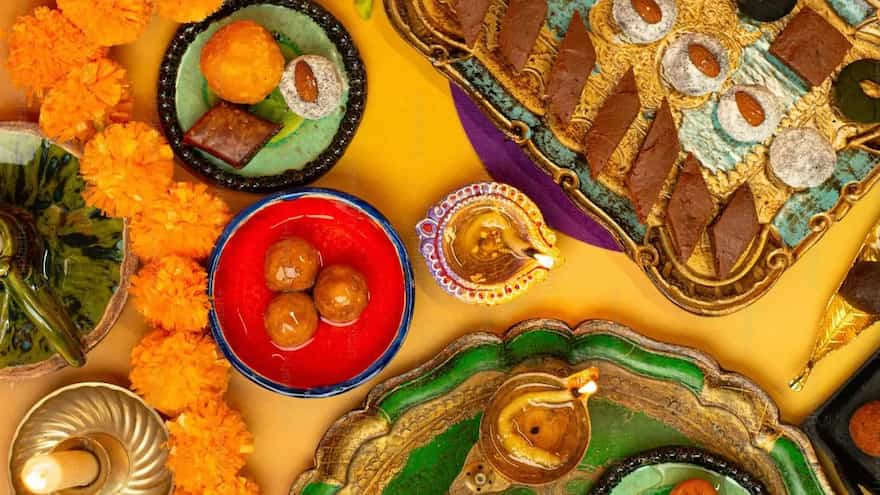
Image credit: Unsplash
Maharashtra And The Konkan Coast: A Fiery Take On Fasting
Maharashtra shares a border with Gujarat, but its approach to festive food possesses a remarkably fiery and nutty identity. While the fundamental fasting ingredients align with northern traditions, the flavour profile is distinctively bolder. The Maharashtrian fasting pantry leans heavily on roasted peanut powder, which adds a deep, toasted richness and essential crunch to the dishes.
The absolute highlight of the regional fasting menu is the sabudana thalipeeth. This savoury pancake is made by combining soaked tapioca pearls with mashed potatoes, generous handfuls of crushed peanuts, green chillies, and cumin. The mixture is patted out by hand onto a hot iron griddle and cooked with ghee until the edges are exceptionally crisp. It is usually served alongside shengdana amti, a beautifully balanced sweet and sour peanut soup that uses tamarind or kokum for acidity. Another fascinating regional speciality is ratalyachi bhaaji, a sweet potato hash cooked gently with ghee, green chillies, and freshly grated coconut, offering a perfect balance of heat and natural sweetness.
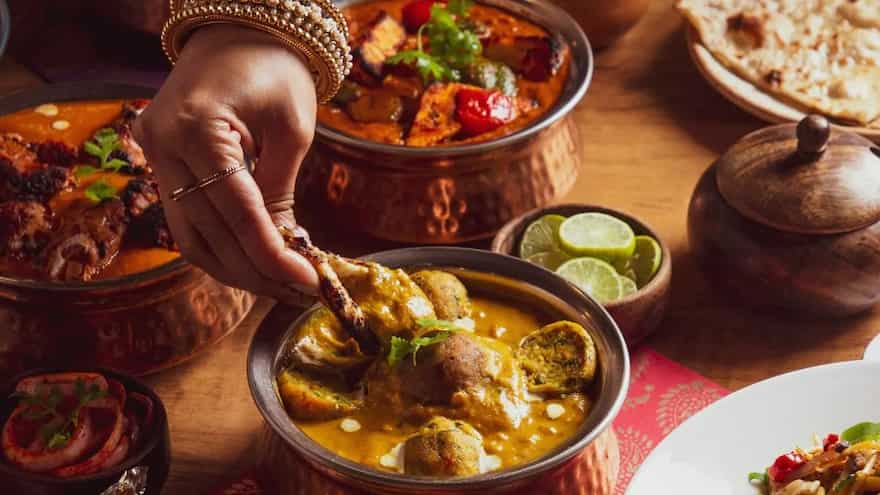
Image credit: Adobe Stock
Tamil Nadu And Andhra Pradesh: The Evening Rituals Of Golu
Journeying down to the southern states of Tamil Nadu and Andhra Pradesh, the festival visually and gastronomically shifts gears. Celebrated as Golu or Bommala Koluvu, the nine nights are dedicated to elaborate, tiered displays of dolls depicting mythological events and village life. The core tradition involves inviting neighbours and extended family to view these displays every evening.
The undisputed culinary pillar of this hospitality is sundal. This highly nutritious, savoury snack is prepared using different legumes for each of the nine days, symbolising diverse offerings to the goddess. Chickpeas, black eyed peas, green gram, and kidney beans are soaked, boiled until tender, and then tossed in a vibrant tempering of mustard seeds, dried red chillies, fresh curry leaves, and generous amounts of freshly grated coconut. It is the perfect communal food, light enough to eat before dinner but robust enough to satisfy evening cravings. Alongside the savoury sundal, hosts typically serve sweet panakam, a refreshing drink made from jaggery, dried ginger, and cardamom, which provides instant energy in the humid southern climate.
Karnataka: The Royal Flavours Of Mysuru Dasara
In Karnataka, particularly around the cultural hub of Mysuru, the celebration is known as Dasara and is executed with unmatched royal splendour. The festive meals here are communal affairs, traditionally served on fresh banana leaves that act as a vibrant green canvas for a multitude of regional delicacies.
A standard traditional feast always features kosambari, a bright and refreshing raw salad made from soaked split yellow lentils, finely diced cucumbers, and coconut, finished with a sizzling tempering of mustard seeds. This crisp salad provides a necessary textural contrast to the heavier curries. Another prominent feature is chitranna, a fragrant preparation of rice flavoured heavily with lemon or tamarind and studded with crunchy roasted peanuts. However, the ultimate jewel of the Karnataka festive table is the obbattu, also known as holige. This delicate, golden flatbread is stuffed with an aromatic, sweet paste made from Bengal gram, dark jaggery, and cardamom. Eaten warm with a liberal pour of melted ghee, it represents the absolute pinnacle of southern festive indulgence.
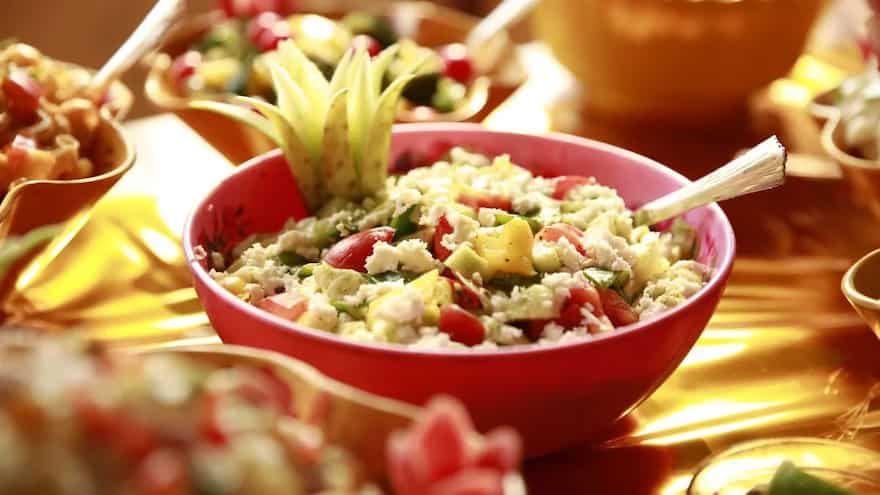
Image credit: Pexels
The Himalayan Highlands: Earthy Fasting Traditions
In the northern mountainous regions like Himachal Pradesh and Kashmir, the autumnal festival incorporates the rugged, earthy produce native to the high altitudes. The chill in the air dictates a menu that is warming, grounding, and energy dense. Because buckwheat grows abundantly across the Himalayan slopes, it is not just a festive substitute but a deeply integrated local staple.
In Kashmir, households that observe the autumn fast turn to their pristine lakes for ingredients. Nadru, the thick and fibrous lotus stem, becomes a central element of the festive meals. Cooked slowly in rich, yoghurt based gravies, the lotus stems are flavoured intensely with dry ginger powder, fennel seeds, and vibrant red Kashmiri chillies. Walnuts are heavily utilised, pounded in traditional stone mortars with fresh mint and green apples to create robust, textured chutneys that accompany the simple fasting breads. Up in Himachal Pradesh, the kuttu flour is made into thick, savoury crepes called chilka, which are often eaten with khatta kaddu, a sweet and sour mashed pumpkin curry that provides immense comfort against the crisp mountain air.
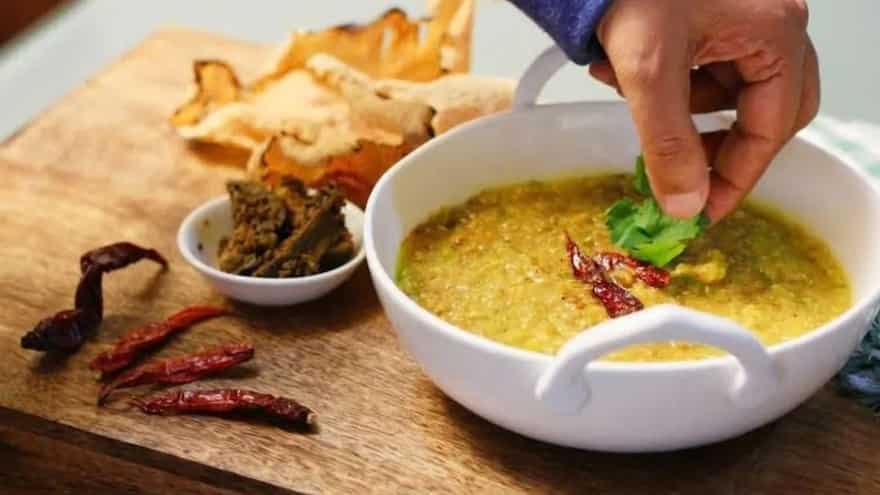
Image credit: Pexels
The Unifying Power Of The Nine Nights
Looking closely at the culinary map of India during Navratri 2026 reveals a country bound by a single festival but divided beautifully by its regional produce. From the rich mutton curries of Kolkata to the delicate peanut broths of Maharashtra, and from the austere buckwheat breads of the north to the nutritious legume snacks of the southern peninsula, the nine nights showcase the brilliant adaptability of the Indian kitchen. Following these food trails offers an incredibly authentic way to experience the nation, proving that the true essence of this ancient festival extends far beyond the western dance grounds and straight into the heart of regional Indian homes.




