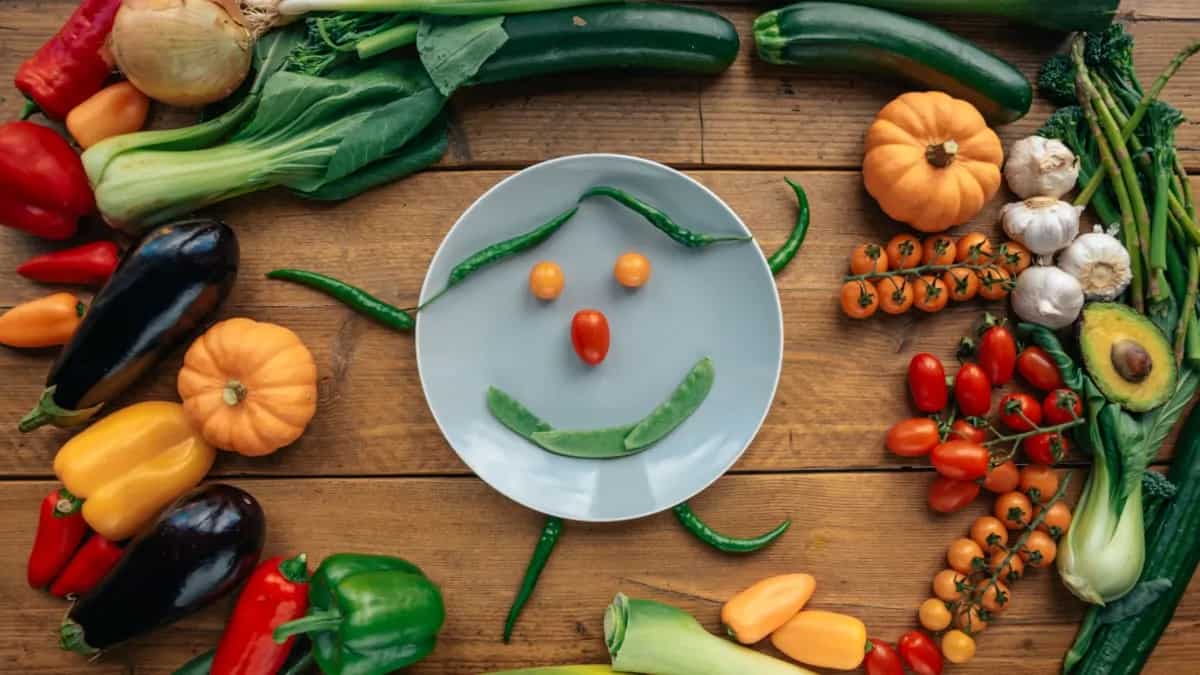
There is a special kind of diplomatic dealing and negotiation that takes place in Indian homes between parents and kids, especially regarding vegetables. Your child may simply glance at the bowl of lauki and suddenly remember that they are not hungry, while palak is met with a suspicious stare. Meanwhile, bhindi is declared too uninteresting a vegetable before it has even reached the plate, and karela? That is usually where all diplomatic talks end and crying or running away to their bedroom start.
In India, National Nutrition Week was launched by the Food and Nutrition Board in 1982 to increase awareness about nutrition and its relevant relationship with health and wellbeing. In 2026, it will be observed from 1 to 7 September, aka Tuesday to Monday. Rather than treating this occasion as another reason to lecture children about healthy eating, families can use it to make everyday food a little more varied and enjoyable. Also, it must be exhausting being the only scolding adult, so it’s better to tweak your approach. You don’t need to be the ‘villain’ of the story all the time!
Research on childhood vegetable acceptance repeatedly points towards repeated exposure as a useful strategy. A systematic review found that repeated exposure can increase children's liking and intake of vegetables, although the effects are generally modest and there is no guarantee that a child will eventually love every vegetable. But is that not more than enough? The journey from abhorrence to acceptance is not a small one. Take the first step and be consistent.
Who knows, your child may surprise you by cooking up a vegetarian feast for their Home Science practical at school someday and bringing the showstopper dish home to share and eat with the family. So the objective is not to trick your child into eating vegetables forever.
It is to make vegetables familiar enough for them to gradually stop feeling like an unwelcome visitor on your kid’s dinner plate. Here are some wonderfully practical ways to get more veggies into daily meals.
5 Creative And Practical Ways To Include More Vegetables In Your Picky-Eating Kid’s Diet
Turn Vegetables Into A Homemade Pasta Sauce
This is particularly useful for children who love pasta but approach visible vegetables with the suspicion of a detective at a crime scene. You can roast or steam vegetables such as carrots, pumpkin, red pepper, tomatoes, cauliflower, or courgette, then blend them into a smooth sauce. Add a little garlic, herbs, yoghurt, cheese, or a modest amount of olive oil depending on the recipe and personal preferences.
Image credit: Pexels
If your kids prefer desi versions of International dishes, blend cooked carrots and tomatoes with a little garlic and a few whole Indian spices. Now toss the simple, homely sauce with pasta and paneer or shredded chicken. Pumpkin can also create a naturally creamy sauce without requiring any heavy cream base. The important point is to avoid presenting this as a deception game.
You can simply tell your child that it is a homemade sauce with multiple ingredients, and turn it into a game. Try to get them to taste the dish and guess what is in it. By the time they have managed to guess a couple of ingredients, their familiarity with the dish has started, and the vegetables have become part of a meal your child already enjoys.
Make A Soup They Actually Want To Finish
Soup can be an excellent dish based supremely on vegetables, without your child realising it. This is because texture becomes much less of an issue once everything has been blended properly together. The addition of further seasonings and tempered flavourings just adds the cherry on top. For instance, a creamy carrot and pumpkin soup, roasted tomato and red pepper soup, sweetcorn and vegetable soup, or a mild spinach and pea soup can all work beautifully. But your child’s taste buds need to feel comfortable with these flavours.
Image credit: Pexels
Once they do, you can slowly start introducing them to various vegetables and include them in the weekly shopping or menu-making to make them feel like your kid has a say or choice as well. This will help you negotiate better with them. It is also a good idea to approach soups initially with familiar flavours, especially to get them into the groove. If a little tadka of cumin, or turning a nice peppery rasam into a homely soup works, then go for it!
But if your child dislikes smooth textures, then do the opposite. Keep the vegetables slightly chunky and add small pieces of paneer, whole-grain croutons, noodles, or shreds of spiced chicken. The trick is to make the soup satisfying enough to feel like a proper meal rather than a bowl of compulsory vegetables in fluid form. Keeping some rice or buttered toast on the side is ideal for making the meal heartier.
Give Pizza Night A Vegetable Upgrade
Pizza night does not have to become the night when healthy eating takes a sabbatical. Instead, use it as an opportunity to introduce vegetables in a format children already find exciting. You can schedule weekly pizza night according to your pantry stock and shopping schedule. For example, if you shop every Saturday for vegetables and groceries, schedule pizza night on Thursday or Friday to use up all remaining ingredients and vegetables, ensuring an empty pantry for the next day.
Image credit: Pexels
Start with a topping your child already likes; add finely chopped capsicum, sweetcorn, mushrooms, roasted pumpkin, spinach, olives, or grated carrot as toppings. Or, you can also blend cooked vegetables into the pizza sauce itself. This is useful for kids who do not eat vegetables when they see them, but do not mind their taste when mixed together. A homemade mini pizza is particularly useful because children can learn to choose their toppings.
For instance, you can start by letting them make one section with familiar ingredients and another with something new that you chose. That small element of control matters. Research on vegetable consumption in young children identifies choice, modelling, variety, and repeated taste exposure among strategies that can encourage vegetable intake. And if your child puts exactly three pieces of capsicum and two slices of mushrooms on their pizza and eats them all, then count that as progress. Not every nutritional victory needs fireworks.
Make Vegetable Chips — But Keep Them Homemade
If your child loves crunchy snacks, work with that preference rather than against it. You can even try swapping in their processed-chip eating habit for this comparatively healthier, homier alternative. Thinly slice vegetables such as beetroot, sweet potato, carrot, pumpkin or okra, and roast or air-fry them until crisp. A little oil and mild seasoning can turn ordinary veggies into a pretty interesting snack.
Image credit: Pexels
You can also make spinach or kale-style crispies, depending on what is locally available in markets. For an Indian spice profile, try tossing your veggie chips in a tiny pinch of cumin, roasted jeera powder, or mild chaat masala after cooking. The goal is not to recreate packaged crisps with a vegetable label; rather, keep the seasoning moderate and let the vegetable remain the main ingredient.
And remember that vegetable chips do not automatically mean unlimited snacking. Portion it into a small bowl rather than handing over the entire tray. Moderation is your as well as your kid’s best friend.
Blend Vegetables Into A Proper Smoothie
This one requires a little finesse because not all vegetables belong in a smoothie. For instance, a handful of spinach can disappear quite well into a luscious mango banana smoothie. Cooked and cooled beetroot works wonders when blended with berries or pomegranate. Carrots can pair with oranges, apples, or mangoes for a tasty and vibrant concoction, while cucumber works beautifully and refreshingly with yoghurt, mint, and fruit. The keyword here is balance.
Image credit: Pexels
Do not make a smoothie containing six vegetables and expect a child to finish it enthusiastically. Even you would find it hard to palate. So, start by using one vegetable alongside fruits or yoghurt, and keep the overall flavour pleasant. If your kids like it, gradually enhance the veggie portion of the drink. Also, smoothies should not replace whole fruit, vegetables and other balanced meals all the time.
Children benefit from experiencing different textures and learning to eat foods in their original forms too. The World Health Organisation’s healthy diet guidelines emphasise variety and minimally processed foods instead of relying on one convenient format, even for fruits and vegetables. So, think of smoothies as another option in the rotation, not a nutritional loophole.