Nag Panchami arrives during the lush monsoon month of Shravan, bringing a profound sense of spiritual reverence and environmental harmony to millions of households. Celebrated with deep devotion across India, this ancient festival honours the Nagas, the serpent deities closely associated with Lord Shiva and Lord Vishnu. While public rituals often feature temple visits, traditional prayers, and offerings made at sacred shrines, the domestic heart of the festival beats within the family kitchen. Indian culinary traditions are intricately linked with seasonal changes, wellness, and spiritual discipline. On Nag Panchami, the hearth becomes a temporary sanctuary governed by unique dietary rules and cooking restrictions. These practices are far more than arbitrary taboos; they represent a holistic philosophy that balances physical health, ecological awareness, and ancestral respect. Understanding why specific ingredients and kitchen techniques are put aside on this day provides a fascinating look into the timeless wisdom woven into daily life.
1. Abstaining From Sharp Blades, Cutting, And Chopping
One of the most distinct customs observed on Nag Panchami is the complete prohibition of sharp iron instruments, knives, and blades in the kitchen. In traditional homes, cooks refrain from chopping, slicing, or dicing vegetables, fruits, and greens. Families often prepare their ingredients the previous evening or select recipes that utilise whole grains, intact pulses, and hand-broken produce. The symbolic meaning of this restriction is deeply tied to the ethic of non-violence. Sharp edges represent cutting, severing, and potential harm. Because Nag Panchami falls in the peak of the monsoon season, when snakes and burrowing creatures emerge from waterlogged earth, avoiding blades serves as a spiritual commitment to cause no injury to subterranean life. By laying down the knife, households practice a conscious pause, cultivating gentleness toward all living beings.
Image credit: Pexels
2. Avoiding Deep Frying And Open Flame Roasting
The enticing aroma of golden puris and crisp pakoras is a hallmark of Indian festive cooking, yet Nag Panchami stands as a clear exception. In many Maharashtrian, North Indian, and South Indian homes, frying food in hot oil or roasting items directly over an open flame is strictly avoided. The intense heat of boiling oil and direct fire is associated with aggression and agitation in traditional thought. Devotees believe that generating harsh thermal energy in the kitchen conflicts with the serene, cooling atmosphere dedicated to serpent worship. Consequently, meal preparation turns toward gentle methods such as steaming and boiling. Dishes like steamed rice cakes, sweet dumplings wrapped in turmeric leaves, and boiled legumes become the central features of the family meal, offering food that is easy to digest and peaceful to make.
Image credit: Unsplash
3. Leaving The Flat Iron Tawa Unheated
In several regions across western and central India, the humble iron griddle or tawa is given a complete day of rest. Flatbreads such as rotis, parathas, and bhakris are intentionally left off the menu. In traditional rural communities, placing an iron pan over a flame on Nag Panchami is considered highly inauspicious. This unique custom relies on visual and spiritual symbolism. The curved shape of a traditional iron pan closely resembles the expanded hood of a cobras. Placing such a griddle over direct fire is symbolically seen as subjecting the serpent deity to burning heat. To show respect to Nag Devta, families choose alternative preparations. Meals are constructed around pre-boiled rice, sweetened flattened rice, or dishes simmered gently in brass or earthenware pots.
Image credit: Pexels
4. Restricting Or Eliminating Added Salt
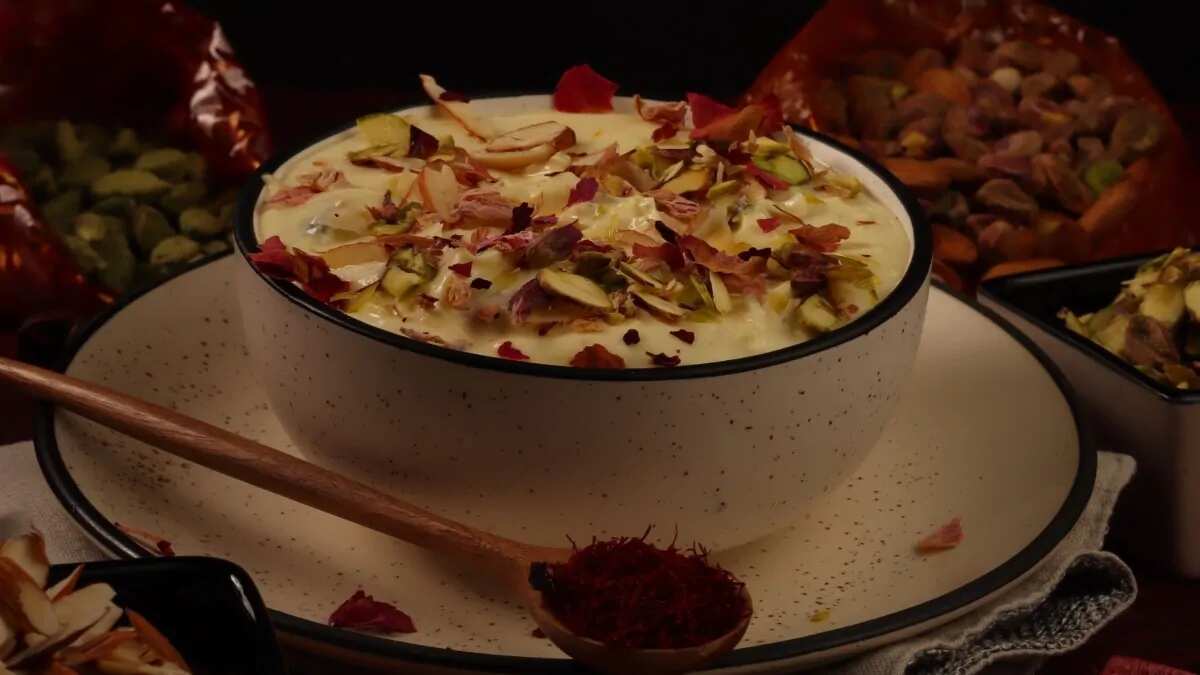
Salt is fundamental to savoury cooking, yet it takes a secondary role in many kitchens during this festival. A large number of practitioners observe a saltless fast during the daytime or restrict their intake of salt to a single modest meal after sunset. When salt is included, raw rock salt is favoured over processed table varieties. From a seasonal wellness perspective, reducing salt during humid monsoon months helps prevent water retention and supports digestive comfort. Spiritually, eating unsalted meals functions as a simple practice in self-discipline. By voluntarily setting aside primary flavouring agents, individuals shift their focus away from sensory indulgence and toward internal quietude. Sweet dishes prepared with milk, coconut, cardamom, and natural jaggery become the primary sustenance offered to family members and guests.
Image credit: Adobe Stock
5. Excluding Pungent Ingredients And Non-Vegetarian Food
In harmony with the sacred observances of the holy Shravan season, Nag Panchami calls for a strictly sattvik diet. Pungent ingredients including onions, garlic, heavy mustard oils, and non-vegetarian foods are completely excluded from the household pantry. Within traditional dietary classifications, onions and garlic are regarded as tamasic ingredients, which are thought to promote lethargy and emotional restlessness. Nag Panchami encourages a state of mental calm and physical purity. Families ensure that all cooking utensils and preparation areas remain free from heavy spices and animal products. Instead, menus feature fresh dairy products, seasonal fruits, nuts, sago, and wholesome grains that nourish the body without causing sluggishness.
Image credit: Unsplash
Regional Variations And The Tradition Of Cold Meals
The cultural landscape of India embraces fascinating regional nuances for Nag Panchami. In parts of Rajasthan and Gujarat, a tradition known as Basi Bhojan or Thanda Khana is observed. Households prepare elaborate meals on the day preceding the festival and consume only cold food on Nag Panchami itself. Lighting the main stove on the festival morning is completely avoided to ensure that domestic fires do not disturb local wildlife or underground ecosystems. In southern states, the focus shifts toward wholesome, uncooked or lightly warmed prasad made from soaked pulses, sesame seeds, and jaggery. These nutritious items are offered to deities before being shared among family members, highlighting simplicity and health.
The dietary traditions surrounding Nag Panchami demonstrate how deeply spiritual values can refine daily living. By temporarily stepping away from sharp knives, hot frying pans, and heavy seasonings, Indian households turn routine meal preparation into a quiet ritual of respect for nature, personal wellness, and long-standing cultural heritage.