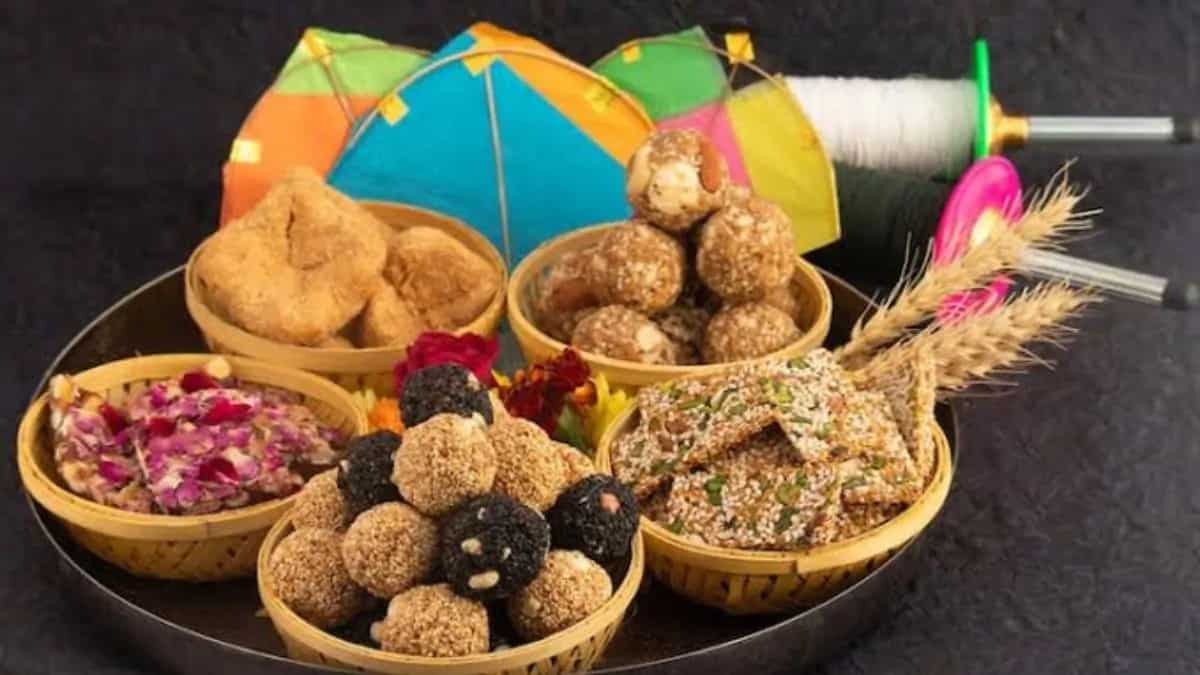
Makar Sankranti, or Uttarayan as it is locally known in Gujarat, is more than just a date on the Hindu calendar; it is a cultural phenomenon that brings life to a standstill. Marking the transition of the sun into the zodiac sign of Capricorn (Makara) and the beginning of the sun's northward journey (Uttarayan), the festival signals the end of the harsh winter and the arrival of longer, warmer days. In Gujarat, this transition is celebrated with an intensity that is unmatched anywhere else in the world. For two days, the entire population of the state migrates to the terraces. The skyline of cities like Ahmedabad, Vadodara, and Surat disappears behind thousands of brightly coloured kites, while the air resonates with the rhythmic cries of Kaypo Che and E Lapet. It is a festival of competitive spirit, where neighbours become rivals in the sky and best friends on the ground. However, the true glue that holds this celebration together is the food. The Gujarati kitchen during Uttarayan is a testament to the state’s agricultural abundance. It is a time when the harvest of winter vegetables, oilseeds, and grains is at its peak. The food is deliberately rich, designed to provide the energy required for a day of physical exertion under the sun. From the slow-cooked clay pot delicacies to the brittle, sugary crunches of sesame, the culinary landscape of Gujarat during Makar Sankranti is as diverse as the kites in the sky.
Image credit: Freepik
Ahmedabad: The Heart Of The Uttarayan Feast
In Ahmedabad, the terrace becomes the dining room and the social hub. The city’s obsession with Uttarayan is legendary, and the food consumed here is designed for communal sharing.
Undhiyu and Jalebi
The undisputed king of the Gujarati winter kitchen is Undhiyu. This is a slow-cooked vegetable casserole that takes its name from the word undhu, meaning upside down, referring to the traditional method of cooking the dish in earthen pots buried underground. The Ahmedabadi version is typically a Green Undhiyu, relying on a paste of coriander, green chillies, and ginger. It features seasonal produce such as Papdi (tender green beans), Kand (purple yam), Shakariya (sweet potatoes), and Muthiya (fried dumplings made of fenugreek leaves and chickpea flour). This spicy, textured dish is almost always paired with hot, syrup-soaked Jalebis, creating a perfect balance of heat and sweetness that has become the signature breakfast of the festival.
Image credit: Freepik
Vadodara: The Farshan Hub
In the cultural capital of Vadodara, the focus shifts towards the legendary Gujarati Farshan (savoury snacks). While other regions might snack on fruits, Barodians believe that a day of kite fighting requires the stamina that only deep-fried delicacies can provide.
Lilva ni Kachori and Fafda
Vadodara has a deep-seated love for Lilva ni Kachori during Uttarayan. These are golden, flaky pastry balls stuffed with a spicy mixture of crushed green pigeon peas (Tuvar lilva), ginger, and green chillies. Because green pigeon peas are a winter harvest, they are at their freshest and sweetest in January. Alongside kachoris, the terraces of Vadodara are dotted with packets of Fafda. These are long, crunchy strips made from chickpea flour, seasoned with carom seeds and black pepper. Eaten with a spicy papaya sambharo (salad) and fried green chillies, fafda is the ultimate finger food for a busy kite flyer who cannot afford to put down their reel for too long.
Image credit: Freepik
Sev Khamani and Tamtam
Many households also serve Sev Khamani, a dish of crumbled khaman dhokla sautéed with garlic and chillies, topped with pomegranate seeds and crispy sev. Additionally, a quintessential Barodian speciality that gains massive popularity during Uttarayan is Tamtam. This is a spicy, crunchy mix of sev and other savoury elements tossed in a unique blend of pungent spices.
Surat: The Gourmet Capital
There is a popular Gujarati saying: Surat nu Jaman ane Kashi nu Maran, implying that eating in Surat is the ultimate worldly pleasure. During Makar Sankranti, Suratis take their culinary traditions to an elite level.
Surti Locho and Ponk
While Undhiyu is a staple, the city specific favourite is Surti Locho. Born out of an accidental steaming of khaman, Locho is a soft, loosely shaped savoury snack served steaming hot with a special peanut oil, Locho masala, and a tangy coriander chutney. It is the perfect warm breakfast for a chilly terrace morning. The other seasonal star in Surat is Ponk. These are tender, roasted grains of green sorghum (Jowar). Ponk is a winter delicacy available only for a few weeks. It is typically served as a snack with Limbu-Mari ni Sev (lemon and black pepper chickpea noodles) and a fiery Lasan ni Chutney (garlic condiment).
Image credit: Wikimedia Commons
Saurashtra: The Land Of Til And Bajra
The Saurashtra region, including cities like Rajkot and Jamnagar, focuses on ingredients that provide intense warmth and long-lasting energy.
Khichdo and Adadiyo Paak
While the rest of the state might focus on Undhiyu, many households in Saurashtra prepare Khichdo. This is a wholesome, slow-cooked dish made from cracked wheat, various lentils, and seasonal vegetables. It comes in two versions: Vagharela (savoury and spicy) and Galyo (sweetened with jaggery and ghee). The region is also famous for Adadiyo Paak, a dense, spice-laden fudge made from urad dal flour, ghee, and warming herbs like ganthoda powder. It is considered a vital health tonic to help the body endure the winter chill.
Image credit: Wikimedia Commons
Chikki and Til Laddoo
Saurashtra is the global hub for Chikki. The thin, buttery peanut and sesame brittles of Rajkot are a staple for Uttarayan. Because sesame (til) is considered auspicious and thermogenic, Til-Gud laddoos are distributed among neighbours as a sign of goodwill and health.
Image credit: Freepik
North Gujarat And Kutch: Rustic Traditions
In the arid regions of North Gujarat and Kutch, the diet shifts towards rustic, earthy flavours that reflect the local agriculture.
Bajra No Rotlo and Vasanu
The staple meal often includes thick Bajra (Pearl Millet) Rotlos cooked on clay stoves, served with generous dollops of white butter and pungent garlic chutney. Traditional winter sweets known as Vasanas, such as Goondar Paak (edible gum fudge) and Methi Paak (fenugreek fudge), are consumed to provide the stamina needed for the long, windy days spent kite flying.
Image credit: Adobe Stock
The Ritual Of The Shared Meal
The most authentic aspect of what Gujarat eats during Makar Sankranti is the Agashi (terrace) culture. Huge stainless steel containers are carried up flights of stairs. Formal plates are often discarded in favour of paper napkins or small bowls so that one hand remains free to hold the kite reel. The meal is often washed down with large glasses of Chaas (buttermilk) to help digest the heavy festive food. As the sun sets and the kites give way to paper lanterns (tukkals), the leftovers are saved for the next morning. Cold Undhiyu is said to taste even better the next day with a hot thepla, a tradition known as Vaasi Uttarayan.
Image credit: Freepik
Through these varied dishes, the people of Gujarat celebrate the earth's bounty with joy, community spirit, and a culinary heritage that has remained unchanged for generations.