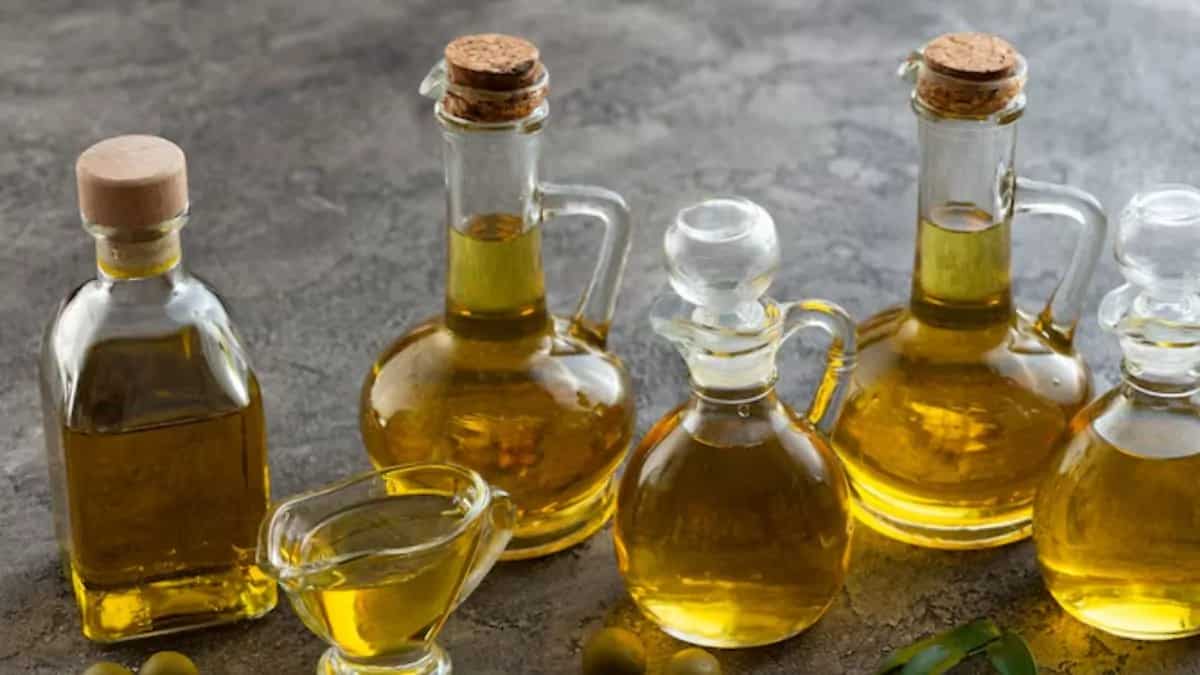
For many households, buying cooking oil in small amounts from a nearby general store has been routine for years. But in Maharashtra, that approach is now facing a major regulatory shift. On August 20, the Maharashtra Food and Drug Administration (FDA) issued a statewide adherence and enforcement order banning the sale of loose or unpackaged edible oil. The move comes after reviews found concerns across the edible-oil supply chain, including adulteration, unauthorised mixing, unsafe packaging and problems in tracing where some oils have come from.
The order is not just limited to grocery shops, but it also covers manufacturers, oil processors, distributors, retailers and online sellers. For customers, the biggest change is clear: edible oil should now come to your kitchen in a sealed bottle, tamper-proof and properly marked package, instead of just being poured out of a drum or in a bulk container.
What Has Maharashtra FDA Actually Changed?
The FDA has banned the sale of loose edible oil across Maharashtra and has asked businesses to sell oil only in set, packed and fully labelled packaging. The order covers the common cooking oils that include mustard, groundnut, sunflower, soybean, rice bran, palm, coconut, sesame and maize oils, besides vanaspati and other edible fats.
Notably, this is not just a rule that is aimed at the person who is selling a litre of oil from a shop container. The order covers the entire chain, from the oil expellers and refiners to the manufacturers, blenders, repackers, wholesalers, transporters, retailers and e-commerce platforms.
Why Has The FDA Taken This Step?
The bigger problem here is traceability. When oil is sold loose, the consumer may not know its actual source, the batch number, manufacturing date, expiry details or whether it has been mixed or repacked somewhere along the way.
The Maharashtra FDA mentioned that inspections had discovered unlicensed businesses, adulteration with cheaper oils, unauthorised mixing and relabelling practices. One problem especially flagged was the mixing of mustard oil with other oils, despite mustard oil needing to be sold as 100% pure when labelled as such.
The scale of the inspections also gives context to the crackdown. Of 1,247 edible-oil samples that were collected during the period reported by the FDA, 1,142 were examined; 77 were found substandard, 13 unsafe to consume, and 15 misbranded.
(Image credit: Freepik)
What Does This Mean When You Buy Cooking Oil?
As a customer, the shift is less about purchasing a particular brand and more about being able to determine precisely what you are buying.
A sealed bottle or pouch gives you the information that loose oil cannot readily provide: the name of the product, manufacturer or packer, batch details, dates and other required label information. The packaging should also be undamaged rather than damaged or meddled with.
The FDA has precisely advised consumers to look for the label, manufacturing and expiry dates and make sure the package is properly sealed. This also makes it easier to raise a complaint later on or trace a product if something goes awry.
What About Reused Cooking Oil?
The FDA's move also puts attention on a distinct but connected problem: repeatedly heating and reusing cooking oil, especially in commercial food businesses.
The concern is not that using leftover oil from once automatically makes food unsafe to eat. Instead, repeated high-temperature heating can cause the oil to deteriorate and deliver unwanted oxidation effects. The new enforcement drive hence also targets repeated reuse by commercial operators.
As a consumer, this is worth recognising when eating fried food outside: the state and handling of cooking oil matter just as much as the oil's name on the package.
(Image credit: Freepik)
The Bigger Change Is Transparency
The loose-oil ban is eventually about giving consumers something they cannot readily get from an unlabelled container: information and accountability.
A packaged product can be traced back through its batch and the supply chain. A loose product makes that trail more difficult to verify. That matters when authorities need to recognise a contaminated or adulterated batch and remove it from being circulated further.
For shoppers, the useful takeaway is straightforward: choose appropriately sealed, labelled edible oil, look for the dates and packaging, and avoid oil that is being sold from unknown bulk containers. The FDA's action is designed to make that basic check feasible before the oil even reaches the frying pan.