


 Share
Share

Walk into any kitchen, and you will find a bottle of oil that has been trusted for generations without even a single question about it. It is used and reused multiple times, as that's a very common practise. But cooking oils not just add flavour to the food, but they quietly shape the health over a period. Some oils break down their compounds under heat, some carry fat profiles that weaken the heart when used daily, and others go through deep processing that takes away their nutrition.
A little extra inflammation leads to a rise in cholesterol, and unexpectedly, what was consumed every day, thinking it to be harmless, suddenly becomes harmful. As nutrition science is evolving, global health bodies are requesting to rethink not just what you eat, but how you cook it. Avoiding certain oils is not about fear, but it’s about picking better options. Knowing why some everyday cooking oils may not deserve a permanent spot in your kitchen is the first step towards cooking that supports long-term health benefits, without you having to give up taste or comfort.
Partially Hydrogenated Oils (PHOs)
The U.S. Food and Drug Administration (FDA) claimed PHOs are no longer recognised as safe in 2015 and removed them from most food supplies by the year 2021 to prevent the health risk factors. Partially hydrogenated oils can be the main source of industrial trans fats, which increase bad LDL cholesterol and decrease the good HDL cholesterol. They are not sold in bottles anymore, but they are still processed and used as commercial cooking fats. While buying cooking oil, look for it if it mentions 'partially hydrogenated' on labels; if it does, avoid it.

(Image credit: Freepik)
Oils High In Trans Fats Used For Deep Frying
Oils that are repeatedly heated for frying can create trans fats and harmful compounds as they spoil. The Indian Council of Medical Research (ICMR) warns that reusing vegetable oils at high heat changes their chemical structure and increases free radicals and harmful compounds that can be the reason for inflammation and heart-related disease. For example, refined sunflower oil, refined soybean oil, refined corn oil, low-quality blended vegetable oils and palmolein oil are widely used in street food because they are cheap. But repeated heating of the oil makes them harmful.
Palm Oil
The World Health Organisation (WHO)'s dietary fat recommendation states that consumption of saturated fats should be limited because they raise bad cholesterol. While palm oil is not an industrial trans fat, its high saturated fat content acts similarly to partially hydrogenated fats, which can raise the risk of cardiovascular strain. Additionally, research from the USDA’s Agricultural Research Service discovered that palm oil and partially hydrogenated oils produced similar increases in bad cholesterol as compared to healthier fats.
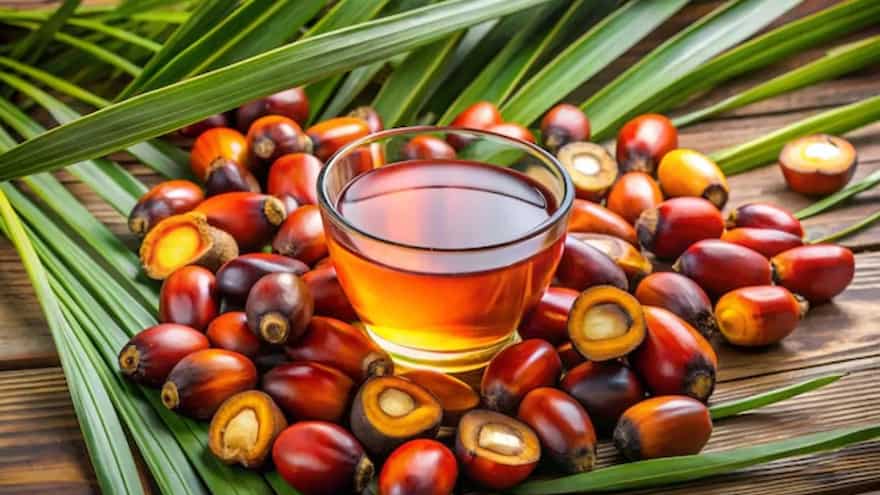
(Image credit: Freepik)
Cottonseed Oil
Cottonseed oil may look harmless, but its fat profile can have health concerns. Refined cottonseed oil includes a significant amount of saturated fat. Foods high in saturated fats are linked to increased bad cholesterol, which is a major risk factor for heart disease, according to the World Health Organisation guidelines. Also, cottonseed oil undergoes vast refining, which can deprive nutrients and sometimes introduce complex compounds. While some research indicates mixed effects on lipids, the higher saturated fat content indicates it should not be a top choice for everyday cooking.
Coconut Oil
Coconut oil is mostly saturated fat, with about 92% of its fats being saturated. The health authorities suggest limiting its use to reduce heart disease risk. The study by Nutrition Reviews in 2016 (National Library of Medicine) says that fat guidance places saturated fats, including those in coconut oil, among fats that should be limited because they have bad cholesterol. For everyday cooking, replace coconut oil with unsaturated fats like olive or canola oil, which align with global dietary guidance concentrated on lowering non-communicable disease risks.
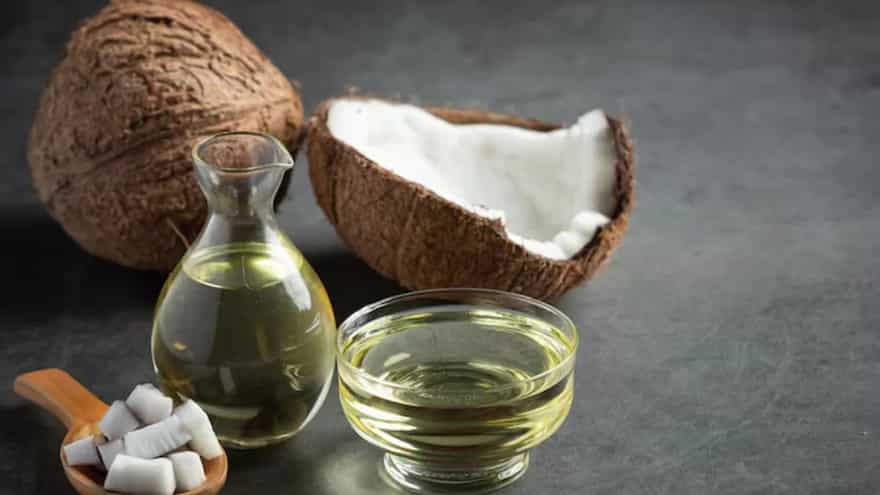
(Image credit: Freepik)




