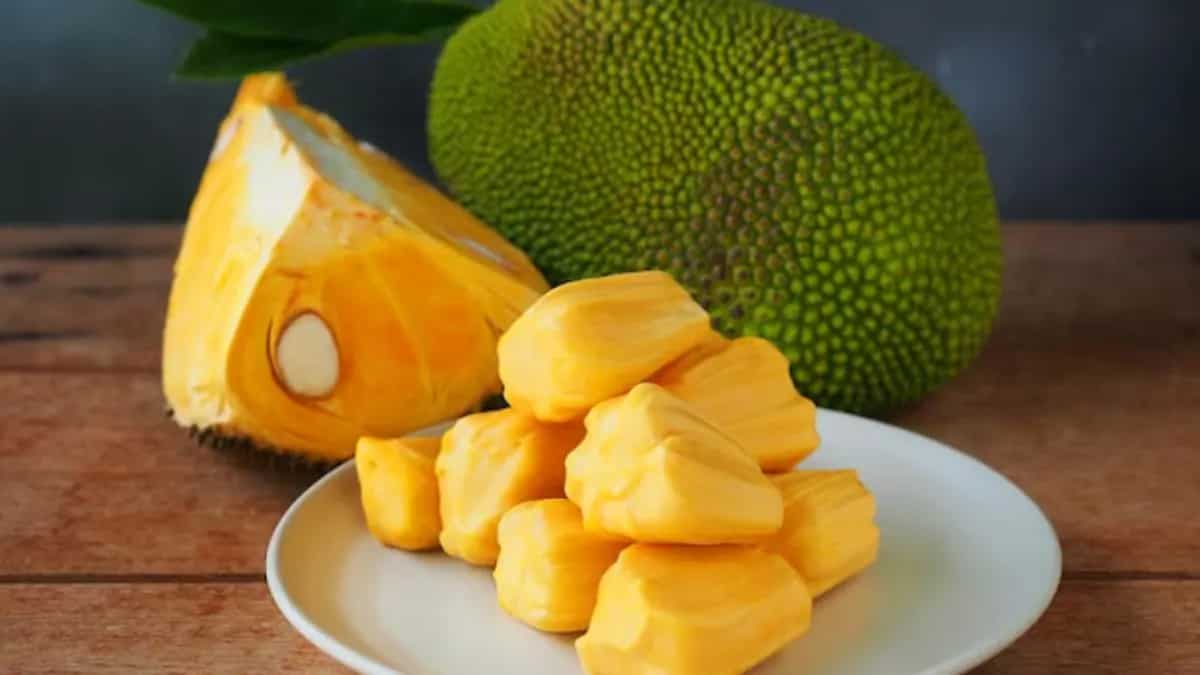
With the arrival of the summer season, vegetable markets begin to get filled with one of the most versatile and awaited vegetables, which is the jackfruit. Loved for its double personality, as raw jackfruit or kathal can be consumed like a vegetable, whereas once ripe, it turns into a naturally sweet fruit that can also be used in desserts. What makes jackfruit alluring is not just its texture, i,e. meaty when raw, and sticky and fragrant when ripe, also, but how deeply it is used in many regional cuisines across India.
From slow-cooked curries in the North to coconut-rich gravies in the South and light sweets in the East, jackfruit can be changed to local flavours without fussing about it much. Often referred to as meat for vegetarians, thanks to its fibrous bite, it makes for a useful and satisfying curry. But beyond just the trends, jackfruit has always been a seasonal staple that can be enjoyed to its fullest.
Regional Jackfruit Dishes To Try
This season, explore how different regions around India change this simple ingredient into something that you will truly want to recreate.
Kathal Ki Sabzi, North India
Often referred to as “vegetarian meat,” raw jackfruit is prepared in a rich, spiced curry across North India. Cooked with onions, tomatoes, garlic and a blend of whole spices, kathal creates a deep, rich flavour that closely imitates that of slow-cooked meat dishes. The texture is fibrous but soft, absorbing masalas beautifully. Traditionally prepared for special meals, this dish is not about quick cooking as it demands patience, letting the spices stick to the kathal pieces and deepen over time. Pair it with hot chapatis or rice, kathal ki sabzi offers a satisfying meal experience that feels indulgent in every bite.
(Image credits: Freepik)
Pansachi Bhaji, Maharashtra
In Maharashtrian kitchens, raw jackfruit is cooked into a dry sabzi, which is known as pansachi bhaji. Its preparation is simple, but the bhaji is full of flavour, as it is prepared by tempering with mustard seeds, curry leaves, coconut, and light spices. The outcome is a dish that feels light and has earthy flavours. Unlike the other heavier gravies, this variety lets the jackfruit’s natural character shine. It is often part of daily meals throughout the season, showing how regional cooking stresses letting the ingredients glow without complicating them.
Chakka Varatti, Kerala
In Kerala, when jackfruit turns ripe, it is turned into chakka varatti, which is a thick, glossy preserve prepared by slow-cooking the ripe jackfruit pulp with some jaggery. The mixture is mixed patiently for hours until it changes into a deep brown and extremely flavourful. The taste is rich, caramel-like, with a fruity hint and little spice. This preserve is not just eaten on its own, but it is also used as a base for other festive sweets such as ada pradhaman. It shows a tradition of preserving the seasonal abundance, and also you can use jackfruit long after the season concludes.
(Image credits: Freepik)
Panasakaya Kura, Andhra Pradesh
Raw jackfruit, also known as panasakaya, is cooked into a bold, spicy curry in Andhra cuisine. The dish depends on strong flavours such as red chilli, garlic, and tamarind, giving it a sharp, tangy taste. The jackfruit pieces soak up these spices while keeping their firm, meat-like taste. Panasakaya is typically enjoyed with hot rice and ghee, contrasting with richness and spice. This preparation shows how jackfruit can have its own intense taste profiles, making it a favourite for those who like strong, fiery dishes.
Kelechi Bhaaji, Goa
In Goa, jackfruit is often paired with coconut to make mildly spiced, comforting dishes such as kelechi bhaaji, also known as kadgi chakko. It is prepared by cooking raw jackfruit with fresh coconut, turmeric, and green chillies, resulting in a dish which is aromatic and lightly spiced. The texture is soft and slightly fibrous, whereas the coconut gives it a richness without making it too heavy. It is typically served as part of a larger meal that balances out stronger curries. This dish reflects how coastal cooking is, i.e., simple, seasonal, and deeply interconnected to local ingredients.
Jackfruit Payasam, South India
Jackfruit payasam is a traditional, creamy dessert that is mainly prepared in Kerala and also in coastal Karnataka (Udupi/Mangalore) and parts of Tamil Nadu. Cooked with coconut milk, jaggery, and a hint of cardamom, the fruit melts down to make a creamy, aromatic pudding. The texture is smooth and slightly pulpy, delivering a unique mouthfeel. Unlike the desserts that have refined sugar, this preparation depends on the fruit’s natural sweetness. Served warm or chilled, jackfruit payasam is a celebration of the fruit in its sweetest, most indulgent way.