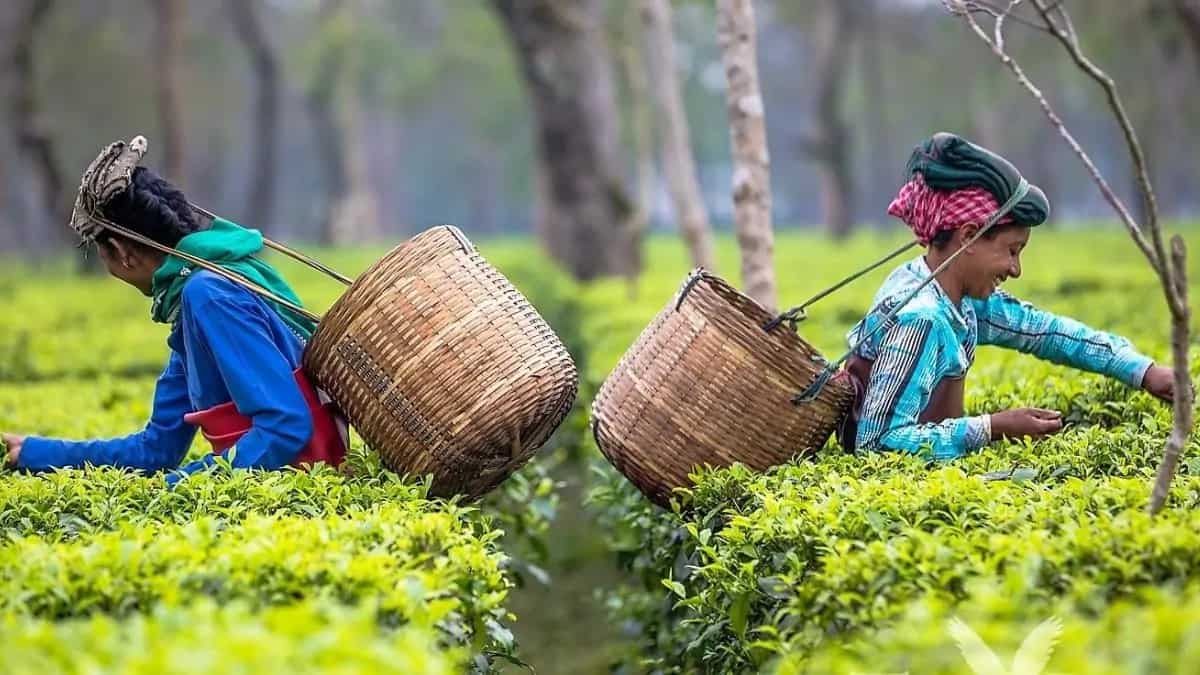
For generations, the international reputation of the tea industry of India has rested firmly on the shoulders of robust, full-bodied black teas. The expansive floodplains of the Brahmaputra River have long provided the ideal environment for producing the rich, malty brews that fill breakfast cups across the globe. However, a historic transformation is underway in the northeastern corner of the country. In a development that signals a bold new chapter for regional agriculture, Chota Tingrai Tea Estate has successfully manufactured and launched the first-ever commercially produced matcha tea in the history of the nation. Located in the vibrant Tinsukia district of Assam, this renowned estate has achieved what many thought impossible: synthesising the ancient, meticulous traditions of Japanese tea cultivation with the fertile, sun-drenched soils of the valley of Assam. This milestone is not merely a local success story; it represents a profound evolution in the agricultural capabilities of the region, introducing a highly sophisticated category of green tea to a market that has historically prioritised black tea production.
Image credit: Chota Tingrai Tea Estate
The Historic Auction At Guwahati
The formal arrival of this innovative product on the commercial stage was marked by a highly anticipated event at the primary trading hub of the region. The historic first batch of this Indian-manufactured matcha tea was officially put up for sale during Sale 27 at the celebrated Guwahati Tea Auction Centre. On July 3, 2026, industry stakeholders watched closely as lot number 7001 went under the hammer. The premium lot was successfully sold at the remarkable price of 3,000 rupees. The transaction was facilitated by the esteemed auctioneers J. Thomas and Co. Pvt. Limited, who guided the historic bidding process to its successful conclusion. The proud buyers of this maiden batch were the representatives of Sheosons Chai Co., a prominent enterprise based directly in Guwahati. This auction room victory underscores the immediate commercial viability and the strong domestic interest surrounding premium specialty teas grown within the country, setting a high benchmark for future transactions in this rapidly expanding sector.
Image credit: Pexels
A Decade Of Indo-Japanese Cooperation
Great achievements are rarely born overnight, and the triumph at Chota Tingrai Tea Estate is the culmination of ten years of intensive research, cross-border alliance, and deep cultural exchange. Over the past decade, the management of the estate has collaborated closely with an elite network of Japanese tea manufacturers, skilled agronomists, specialised equipment suppliers, and master tea experts. The objective was clear yet incredibly challenging: to replicate the exact, uncompromising quality standards of Japanese matcha while respecting the distinct terroir of the Tinsukia district. To make this vision a reality, Chota Tingrai Tea Estate undertook a massive capital investment to establish a fully automated, state-of-the-art Japanese tea manufacturing facility directly on the grounds of the plantation.
Image credit: Chota Tingrai Tea Estate
This highly sophisticated factory utilises advanced automation to regulate temperature, humidity, and processing speeds with absolute precision. By combining traditional regional agricultural heritage with authentic Japanese technological expertise, the estate has successfully bridged two distinct cultures, proving that international standards of excellence can be achieved on Indian soil when patience and collaboration are prioritised.
"We have been working with tea experts from Japan for the past decade to introduce the highest quality of green tea to the Indian market," said Mrityunjay Jalan, Director of Chota Tingrai Tea Estate. "While we have successfully sold whole-leaf green tea grades for the past ten years, the launch of authentic Indian Matcha is a milestone we are incredibly proud of. It is the result of a dedicated partnership with our Japanese counterparts, and we are confident that Matcha from Chota Tingrai will soon find a home in both Indian and international households."
The Art And Science Of Authentic Matcha Production
To truly appreciate the magnitude of this achievement, one must understand that authentic matcha is fundamentally different from conventional green tea. The production process requires an extraordinary level of agricultural mastery and technical precision. Several weeks before the harvest begins, the tea bushes are covered with specialised shading structures that block approximately 90 percent of natural sunlight.
This deliberate reduction in solar exposure forces the plants to adapt by producing immense quantities of chlorophyll, which gives the leaves their characteristic, intensely vibrant jade-green colour. Furthermore, the shade prevents the conversion of amino acids, particularly L-theanine, into bitter catechins. This preservation ensures that the final brew possesses the highly coveted umami flavour profile, offering a smooth, sweet, and vegetal taste coupled with a calm, sustained boost of energy.
Image credit: Chota Tingrai Tea Estate
Once harvested, the fresh leaves undergo a complex sequence of steaming to halt oxidation, followed by meticulous de-stemming and de-veining to isolate the purest parts of the leaf, known as tencha. Finally, these pristine leaves are slowly processed using advanced milling machinery to create a powder so fine that it dissolves seamlessly when whisked into hot water. Unlike ordinary green tea leaves that are simply steeped and discarded, matcha consists of the entire shade-grown leaf ground into a fine powder, offering a highly concentrated source of antioxidants, natural vitamins, and beneficial nutrients.
Transforming The Economic Landscape Of Assam Tea
The introduction of high-quality specialty teas like matcha arrives at a critical juncture for the regional economy. For several years, the traditional black tea sector has grappled with systemic challenges, including fluctuating commodity prices, shifting global consumer preferences, and instances where local production outpaces international demand. Diversification has become an urgent necessity rather than a luxury.
By adding a premium, high-value product to the agricultural portfolio of the state, Chota Tingrai Tea Estate is pioneering a lucrative pathway forward. Specialty green teas command significantly higher profit margins compared to standard commodity black teas, allowing estates to generate greater revenue from smaller, more carefully managed harvests. This strategic shift not only opens up highly profitable new export opportunities in affluent Western and Asian markets but also strengthens the overall position of India within the global specialty tea sector, proving that the local workforce is fully capable of executing the most delicate agricultural techniques in the world.
Image credit: Pexels
Meeting The Global Matcha Shortage
The timing of this agricultural breakthrough could not be more perfect. On the global stage, matcha has transitioned from a niche ceremonial beverage into a viral culinary phenomenon, featuring prominently in trendy cafes, health-focused wellness routines, artisanal lattes, and premium desserts.
This explosive surge in worldwide popularity has resulted in a severe global shortage, as traditional manufacturing hubs in Japan, China, and Vietnam struggle to keep pace with the skyrocketing international demand. As global markets continue to compete fiercely for every available cup of premium green powder, the successful emergence of Chota Tingrai Tea Estate as a high-quality producer offers welcome relief to the international supply chain. The estate is now uniquely positioned to satisfy the cravings of health-conscious consumers both domestically and abroad, establishing a reliable, premium alternative source for a world that is hungry for authentic matcha.
The visionary leadership at Chota Tingrai Tea Estate remains highly optimistic about the future of this groundbreaking venture. As the vibrant green powder from Tinsukia begins to make its way into the cups of discerning tea lovers, it carries with it the rich history of the Brahmaputra Valley and the brilliant precision of Japanese craftsmanship, marking the dawn of a golden era for the specialty tea movement of India.