Coffee, over the past few years, has seldom been just about what is within the cup. In some places, the brewing itself evolves into a social ritual; elsewhere, an individual vessel, ingredient or serving custom gives the beverage its identity. International Coffee Day is marked on October 1 every year, with the International Coffee Organisation using the day to honour the diversity of coffee and acknowledge the millions of people whose livelihoods depend on the crop.
Across coffee-growing parts and long-established coffee cultures, the drink has picked up its own ways, flavours and speed. Some practices are based on hospitality, some on the conversation, whereas others have turned a precise brewing method or an ingredient into a signature cultural method.
From coffee brewed with finely ground beans and left unfiltered to cups poured as part of detailed hospitality rituals, these coffee brewing traditions show how one beverage can take on very different definitions across cultures.
Turkish Coffee: Where The Grounds Stay In The Cup
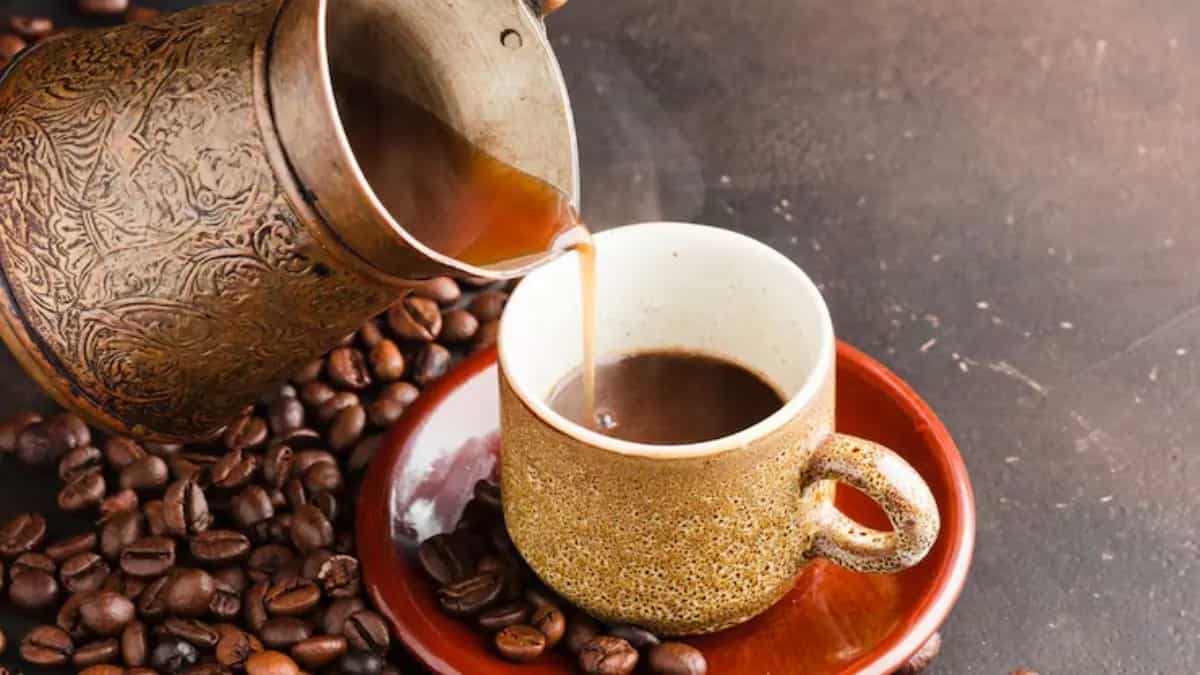
Turkish coffee has been part of everyday life in Türkiye since coffeehouse culture began emerging in Istanbul in the 16th century, as places to drink, talk, read and exchange conversations with each other. The coffee itself is detailed: beans are ground almost to a fine powder, mixed with some cold water and, if desired, sugar, then slowly brewed in a cezve until foam begins to build at the top. There is no filter, so the fine grounds settle at the bottom of the cup.
The coffee became part of everyday life, from social get-togethers and holidays to casual discussions. There is also a ritual of reading the coffee grounds left at the bottom of the cup to tell fortunes.
(Image credit: Freepik)
Vietnamese Cà Phê: A Colonial Introduction That Became Its Own Coffee Culture
Coffee arrived in Vietnam with the French in the 19th century, but the country did not just replicate the European coffee practices. Vietnam made a distinctly local style around robusta beans, the phin filter and sweetened condensed milk. The little metal filter is placed directly over the glass, letting the hot water drip slowly through the grounds. For cà phê sữa đá, the strong brew drops over the condensed milk before being mixed and poured over the ice.
The slow drip is part of the overall experience; you actually watch the coffee get collected in the glass. Then came creations like Hanoi's cà phê trứng, or egg coffee. Linked to the 1946 milk deficiency, it uses whipped egg yolk, sugar and condensed milk for a creamy topping to get intense coffee.
Ethiopian Buna: When The Coffee Cup Becomes The Gathering
Ethiopia's cultural buna tradition turns coffee practice into an affair that can take significant time. Green beans are first roasted in front of the guests, then ground with a pestle and mortar before brewing it in a rounded clay jebena, which has a long neck and narrow spout for pouring. The coffee is poured into small cups, often with sugar, and a few snacks like popcorn may perfectly accompany the brew.
The tradition is carefully set up, with freshly cut grass spread around the space and incense adding aroma to the room. As the beans get roasted, ground and brewed in front of the guest, the preparation becomes part of the experience. It gives the guests time to sit together, talk and share the brew rather than considering it something that is quickly made and served.
Arabic Coffee: The Small Cup Has Its Own Rules
Arabic coffee, or qahwa, is not just about the recipe but also a shared etiquette of serving and hospitality across the Arabian Peninsula and the neighbouring communities. The serving tradition has its own particular sequence. Coffee is traditionally offered with only a small portion poured into each finjan, a small, handleless cup that is traditionally used for serving Arabic coffee. The cup is refilled many times, and a guest gently shakes it from side to side when they do not want another serving of the brew. The coffee is often paired with dates, particularly during gatherings and formal visits.
The preparation itself is also part of the overall tradition. Beans are first roasted, cooled and then ground before being brewed, often with some cardamom and sometimes with other spices relying on the region. Arabic coffee is closely tied to the majlis, as well as weddings, religious celebrations and other communal events, where the dallah moves from guest to guest as coffee is served.
(Image credit: Pexels)
Finnish Kahvi: The Coffee Break Is The Tradition
Finland's coffee culture is interesting, specifically as there is no elaborate recipe to explain. The ritual is all about the break. Coffee has long been part of Finnish social life for more than a century. Many early 20th-century Finnish novels, paintings and essays already reflected its prominence. At present, kahvi simply means a simple cup at home, a workplace coffee break or a table set with coffee and something sweet.
In Finland, kahvi is often served with a sweet pastry or bakery biscuit. At workplaces, coffee breaks are a normal part of the day. Coffee is also taken outdoors in a thermos, which includes during winter activities like ice-fishing. These habits have made coffee less of a ceremonial beverage and more of a fixed part of Finnish everyday routines.