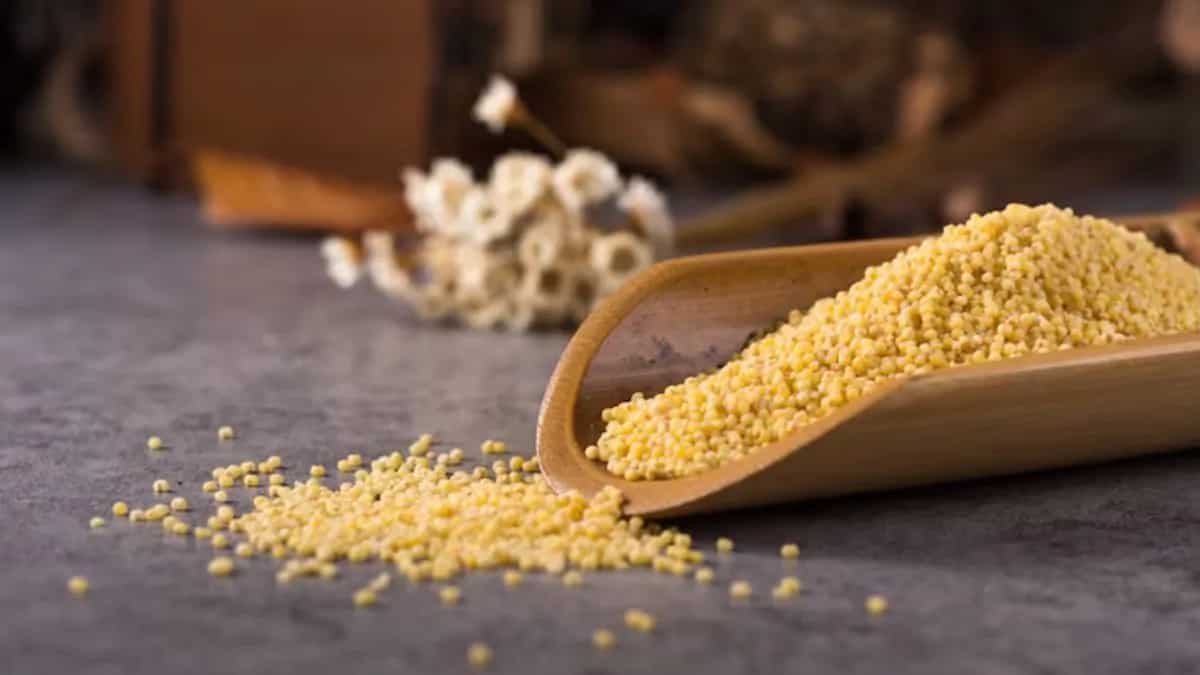
In Indian homes, wheat is the staple flour, ruling the kitchen for ages. Wheat rotis in lunch and dinner, toast in breakfast, biscuits with chai, gluten often appears on the plate more times a day than many people. So when somebody is told to follow a gluten-free diet, panic usually comes before even planning for it. What to replace the regular roti with? Will every meal turn bland? How costly it will be, etc.
India has been a hub for gluten-smart ingredients long before the phrase became trendy. Across villages, towns and kitchens, people have always cooked with rice, millets and traditional grains that never relied on wheat in the first place. Think fluffy idlis, the bhakris, porridges, the laddoos and soft, crispy dosas, all embedded in grains that naturally fit the gluten-free lifestyle.
What Is A Gluten-Free Diet And Why Do People Follow It?
A gluten-free diet is one where gluten is removed, which is a protein naturally found in wheat, barley and rye. It is important for people with celiac disease, and may also be advised in some cases of wheat allergy or medically evaluated gluten sensitivity. Others choose it for some personal reasons, though not everyone needs to have a gluten-free diet.
The smarter version of this diet stresses naturally gluten-free foods such as rice, millets, pulses, vegetables and dairy instead of expensive processed alternatives. India’s own traditional grain variety makes this style of eating much easier than many people think it is.
A gluten-free plate should not feel like a strict diet change to follow. It can be deeply flavourful and also satisfying. Here are a few indian grains worth trying if you are starting to build up a gluten-free diet.
Rice (Chawal)
Rice is the most effortless comfort grain when wheat is kept aside. It slips naturally into everyday eating habits without any drama. You can make steamed rice, curd rice, lemon rice, pongal, idli batter, appam and rice flour rotis all from it. White rice feels soft and familiar, whereas brown rice offers a more nutty bite. You can pair rice with dal, gravies and spiced vegetables in everyday eating, making meals feel more wholesome rather than restricted. For many people starting gluten-free eating, rice becomes the grain that restores calm to the plate, feeling like having familiar food without any complexity.
(Image credit: Freepik)
Jowar (Sorghum)
Jowar has a warm, earthy texture and makes the rotis with real presence. In many Indian homes, particularly in Maharashtra and Karnataka, jowar is used in everyday meals long before it became a wellness trend. Jowar can be used to make bhakri, soft rotis, dosas, etc. Jowar also has fibre and useful plant compounds. Pair it with garlic chutney, curd, and it tastes extremely satisfying. It does not mimic wheat, and that is exactly why it deserves respect.
Bajra (Pearl Millet)
Bajra is bold and prepared for people who like flavour with substance. Its nutty depth gives the rotis more depth, particularly when paired with white butter, jaggery or spicy sabzi and lehsun ki chutney. It also works beautifully when turned into khichdi, porridges and in savoury batters. Bajra is often loved for its iron, fibre and mineral infusions. If gluten-free food feels too soft or bland, bajra can be used as a backbone. Many beginners begin by mixing bajra flour with a little rice flour before making the whole bajra rotis.
Ragi (Finger Millet)
Ragi has a darker, deeper flavour, almost gently toasted, sometimes feeling cocoa-like. It is used in porridges, dosas, mudde, rotis, etc. One reason ragi gets so much attention is because of its calcium content, making it extremly popular across generations. Ragi dosa batter is an effortless weekday winner, whereas warm ragi porridge feels satisfying and fulfilling. Instead of pushing it to behave like wheat, let ragi be itself, which is rich, earthy and wonderfully relaxing.
(Image credit: Freepik)
Rajgira (Amaranth)
Rajgira often occurs only during the fasting seasons, but it earns a regular spot on the plate. It has a light nuttiness and can be used in laddoos, chillas, porridges and also flour mixes for flatbreads. Amaranth is also known for a better protein rate than many grains, making it valuable in vegetarian diets. Rajgira flour can be light on its own, so blending it with rice or millet flour often benefits. If your meals feel repetitive, adding rajgira can add variety with subtle elegance.
Kuttu (Buckwheat)
Despite the name, buckwheat is not wheat. Kuttu has a rich, nutty personality and is favoured during vrat cooking, though it deserves use beyond the specific durations. You can make pancakes, rotis, cheelas and savoury crepes out of it with ease. Its flavour pairs particularly well with yoghurt, potatoes, roasted vegetables and green chutney. If you like grains with character rather than neutral softness, kuttu can become a favoured pantry staple.