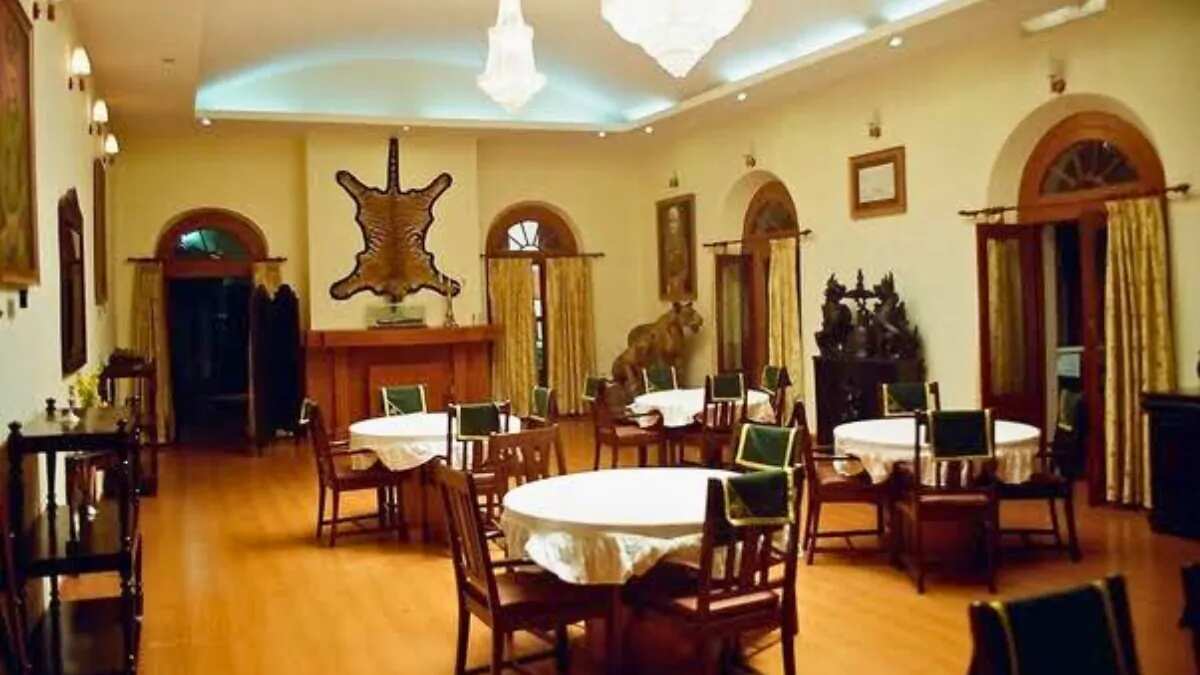
Within the Indian Army, the Officers’ Mess stands as an institution in its own right, steeped in tradition, etiquette, and a deep sense of regimental identity. From its colonial origins to its present-day role, the Mess has been central to fostering camaraderie, maintaining standards, and preserving customs that bind Officers across generations. Certain staples repeat across the week, offering familiarity and comfort, while specialities, often inherited from a regiment’s regional roots, bring variety and pride to the table. The kitchen is run with a level of organisation that mirrors the Army’s operational discipline, from procurement to plating. At the heart of this institution is its kitchen, where menus are planned with precision, meals are executed with discipline, and every plate carries with it a legacy of both Indian and regimental culinary heritage. This Independence Day, let’s read about the structure and culinary diversity ensures that an Officers’ Mess remains not only a place to dine but also a living record of the Army’s shared history and the varied cultures it represents.
How The Menu Is Planned And The Kitchen Is Run
Planning follows a standard cycle as the Mess committee and the kitchen staff agree on a weekly or monthly calendar. Procurement uses approved suppliers and codified specifications and many kitchens follow standing guidance on hygiene and storage. The Defence Food Research Laboratory has documented Indian defence food systems, including shelf-stable technologies that guide thinking on nutrition, safety, and logistics for forces. This research influences ration design and informs institutional kitchens that need reliability across climates. Menu planning also considers availability at the station, local market prices, and seasonal produce. Each Mess has a small leadership team that ensures the food remains high in quality and variety. The Mess President, Mess Secretary, and Food Member work together to review feedback from Officers, plan seasonal changes, and introduce occasional new dishes. While the menu is planned in advance, adjustments are made based on availability of ingredients, special occasions, and requests from members.
Weekly Staples That Don’t Leave The Menu
Most Fauji Messes use a rotating weekly plan. The plan ensures variety across cereals, pulses, vegetables, and proteins. Typical everyday spreads include a dal, two seasonal vegetables or one vegetable and one meat dish, chapatis, rice, salad, and fruit or a simple dessert. Breakfast usually includes eggs, toast, porridge or cereal, and tea or coffee. Many Messes keep a “set menu” rather than an à la carte system for routine service. This approach helps procurement and cost control while keeping service fast and uniform.
No matter what else is on the menu, dal is a constant presence, offering a familiar taste of home to Officers posted far from their native regions. Chhole bhature on Tuesdays is almost a pan-Army tradition, adding a festive break in the week. Continental and Chinese meals appear regularly, while Sundays are usually reserved for something more elaborate: often a South Indian brunch with idli, dosa, vada, and sambhar, or a continental spread with eggs, grilled meats, and salads, or a hearty biryani service.
Party Favourites And Ceremonial Nights
Formal dinners in Messes follow a long military tradition. Officers host “Dinner Nights” that follow set courses, toasts, and service norms under the supervision of the Presiding Member of the Mess Committee. Accounts of such evenings describe ceremony, seating plans, and associated etiquette. These events add classic party dishes such as roast meats, cutlets, Russian salad, baked beans, dinner rolls, and nostalgic puddings that Officers remember from training days. Desserts are a highlight, with classics like tipsy pudding: a boozy, trifle-style treat, sharing space with gulab jamun and ice cream, which is an enduring favourite in Army gatherings. In some cases, more modern additions like tiramisu are also included.
The Army also observes “Bada Khana” or grand feast days in units, especially for marked occasions like Raising Day, where Officers and soldiers eat together to honour service and strengthen bonds. Senior leaders have linked Bada Khana with respect for troops deployed in challenging areas.
Formal dinner nights are steeped in military tradition and etiquette. These evenings often feature a continental menu and follow precise protocols, with every course and service timed to the ring of a bell. Waiters move in unison, serving and clearing according to a set schedule. The evening usually ends with a toast, which is proposed and responded to in a ceremonial manner. Like any close-knit community, the Mess has its share of light-hearted stories. In one well-known incident, a newly married lady guest was presented with a finger bowl at the end of dinner. Not knowing its purpose, she drank it. To save her from embarrassment, the commanding Officer followed suit, turning the moment into a shared laugh rather than a social faux pas. Such instances reflect the Mess’s unspoken code of protecting the dignity of guests and maintaining an atmosphere of warmth and inclusivity.
Traditional Recipes And Regimental Identity
Regimental history shapes food traditions in Messes. Research on Indian Army culinary practice shows that recipes evolved within regiments over decades. Geography and home-state influences shape menus as well. Cooks passed knowledge within battalions and guarded house recipes for signature curries and stews. Gorkha units lean upon Nepali flavours: gundruk soups, achar (pickles), and lean mutton preparations. Hill and frontier regiments may prepare local mountain greens and hearty broths. Southern units might serve sambhar, rasam, and curd rice one evening. Northern units rotate dishes such as rajma, chole, kadhi, kulchas, or tandoori breads when a tandoor is maintained. Eastern units may prepare hilsa in mustard sauce, bamboo shoot pickles, or rice-based casseroles. Western units offer khichdi-kadhi, bhakri, fafda, and farsan during cultural observances. Many Messes include continental or Western-style nights for diversity; Officers enjoy pasta, casseroles, Shepherd’s pie, or braised vegetables.
These recipe traditions persist through written and oral transmission. They echo the colonial era, when British kitchens offered roast beef, Yorkshire pudding, or plum cakes: elements that some Messes still serve as nostalgic links to history, tempered now by Indian ingredients and healthier cooking methods. Historical pieces also trace the transition from colonial Mess fare to a stronger Indian profile after Independence.
Balancing Nutrition And Energy Needs
Fauji kitchens work within clear nutritional aims. Studies on Indian troops show high physical workloads during training. Reported mean energy expenditure during intensive training phases can exceed 3,600 kilocalories per day. Diets therefore need adequate carbohydrates for energy, proteins for repair, and fats for satiety. Institutional kitchens plan menus with dal, cereals, seasonal vegetables, dairy, eggs, and meats where applicable. Defence food research focuses on shelf life, micronutrient retention, and field suitability, which influences bulk cooking practice even in peace stations. The goal is consistent nutrition delivered through familiar Indian dishes that Officers enjoy and recognise. A Mess achieves this by serving balanced plates and by adjusting spice and oil levels without diluting taste.
Every menu, whether simple weekday fare or an elaborate formal dinner, is designed with thought and precision, ensuring both nutrition and taste are in balance. The customs, humour, and shared experiences within these walls strengthen the bonds between Officers and create memories that endure long after the uniform is retired.