


 Share
Share

The Officers' Mess kitchen is structured around efficiency, balance, and cultural variety. Meals are planned in advance, ingredients are sourced from approved suppliers, and hygiene standards remain consistent across units. Kitchen staff prepare each meal with a focus on nutrition, while still offering comfort foods that remind Officers of home. Over time, the mess menu has evolved to serve both regional preferences and dietary needs. Protein is consistently included through chicken, eggs, paneer and pulses, while vegetarian options rotate across North and South Indian dishes. The mess also includes occasional international meals, and the bar proudly serves Indian spirits, making this kitchen a quiet reflection of changing times and rooted traditions.
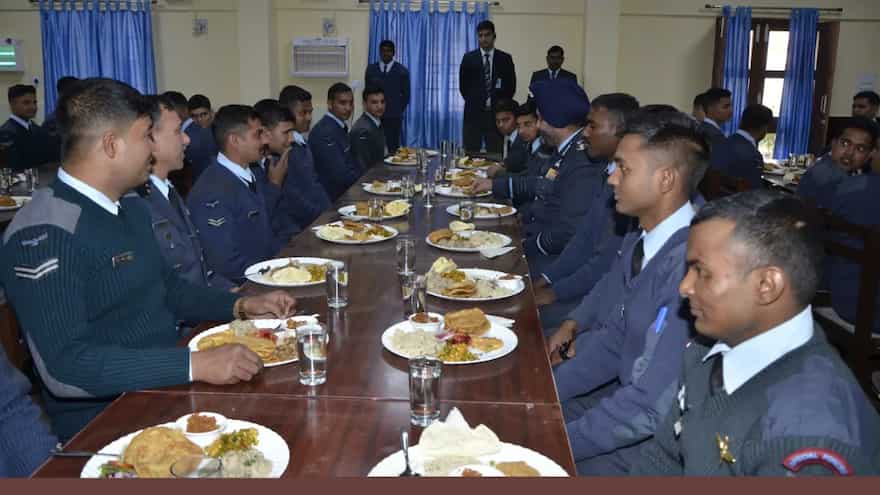
Image credit: Indian Air Force on X
Staples That Stay On The Menu
Across most stations, the mess kitchen doesn’t rely on weekly novelty to keep meals interesting, it relies on a dependable rhythm. Chhole bhature is served during weekday lunch or dinner, and kadai paneer appears often in the vegetarian lineup, while mutton curry and tandoori chicken each get one dedicated day per week. Breakfasts stay light and consistent, with poha, porridge, and boiled eggs nearly always present. Jeera rice, dal fry, and seasonal sabzis form the backbone of lunch service. Everything is cooked in bulk but kept well-balanced. According to a mess caterer from a base in Punjab, “Even on a tight schedule, we use whole spices, fresh vegetables, and proper ghee. It’s never just functional food.”
 Biryani is served without fail each Sunday afternoon. The kitchen prepares it with long-grain rice, whole spices, and either marinated chicken or a well-seasoned vegetarian mix, depending on the rotation. Trifle pudding is one of the most consistent desserts, made with layers of jelly, sponge, custard, and fruit. These dishes stay on the menu because they deliver both satisfaction and volume, which is important in institutional kitchens where food has to suit large groups from different regions.
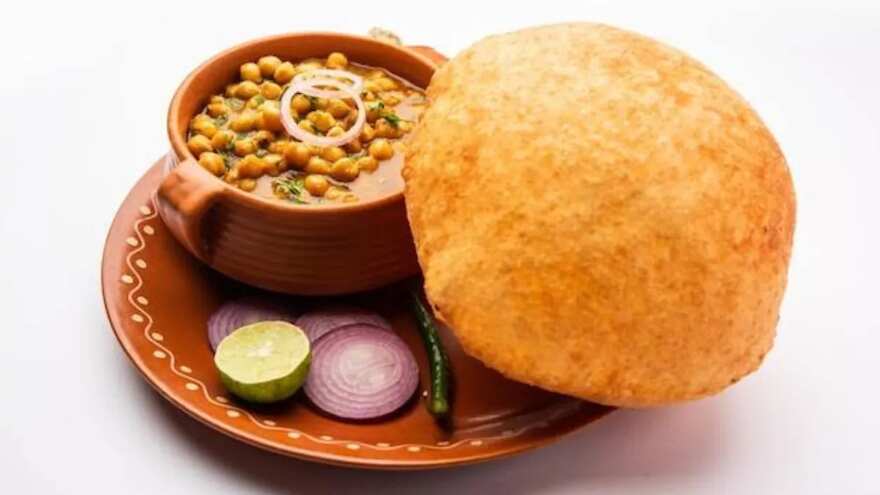
One former Officer recalled:
“Menus were sacrosanct. If it was Tuesday, it was chhole bhature. Thursdays would be reserved for something continental or even Chinese food occasionally.”
Such routines helped maintain a sense of rhythm and shared identity among the Officers.
Regional Variety And Familiar Rotations
The kitchen’s menu includes dishes from across the country, offering a level of familiarity for Officers from different states. South Indian breakfast items like idli, dosa, upma, sambar, and vada are regular fixtures. North Indian favourites such as aloo paratha and poori bhaji also cycle in across the week. Sambar and rasam are made in bulk with ready mixes or basic spice blends, while parathas are sometimes pre-rolled to ease prep. What’s striking is how many vegetarian dishes are rich in protein. Paneer tikka, soya chunks, and rajma-chawal combinations are designed to deliver enough energy for the day. Meat does appear, but in moderation. Tandoori chicken and mutton curry are favourites from the non-vegetarian menu.
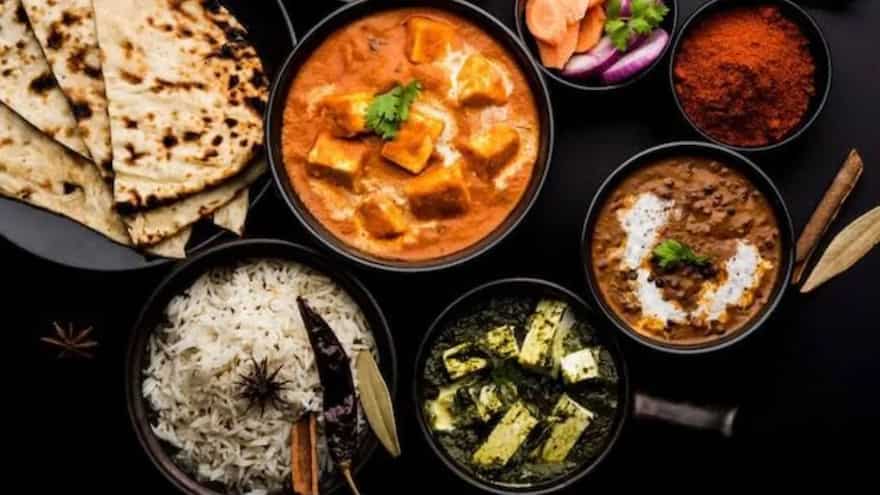
Vegetable dishes include lauki, baingan, aloo gobhi and bhindi, each prepared in a way that reflects regional taste and ease of cooking at scale. The kitchen tries to reflect local food preferences while maintaining balance and nutrition across the board. The Chinese or continental menu appears once a week, with fried rice, Hakka noodles, macaroni, or pasta in white sauce being popular additions. These provide variation but stay relatively mild in flavour. Fried snacks such as pakoras or paneer cutlets are served during evening tea.
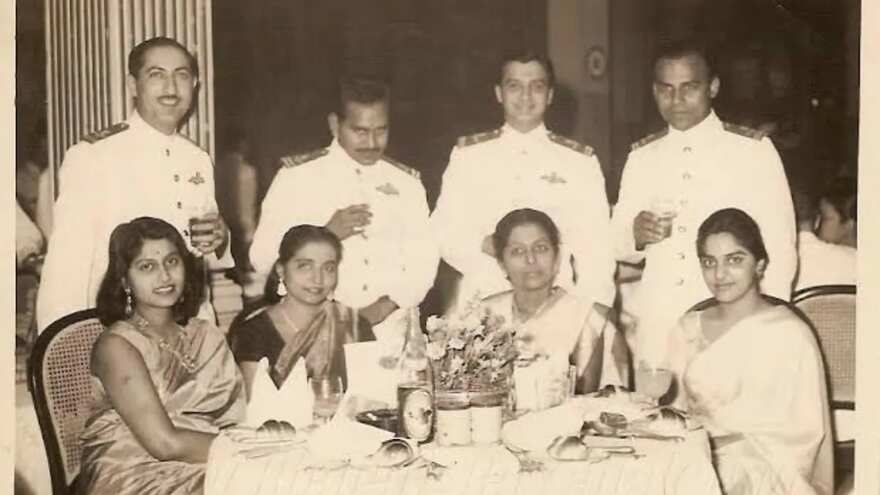
Image credit: Bharat Rakshak
Only Indian Spirits In The Bar
In the bar, the shelves stay proudly Indian. Bottles of Indri-Trini, Amrut Fusion, and Jaisalmer Gin are common. Imported alcohol is generally not stocked in the mess. Cocktails are simple, and Officers tend to skip sugary mixers. A dry martini or daiquiri might be served, but scotch on the rocks remains the top choice. The mess bar doesn’t double as a pub. It follows timings and is run with structure, but the drinks are thoughtfully selected. The snacks served during bar hours rarely change. At unit or station parties, a set group of snacks appears like clockwork: masala peanuts, malai paneer cubes, chicken tikka, cigar rolls, and corn canopies. Even with frequent flyers like peanuts and corn canopies, there’s very little wastage because the preference for familiar tastes is well established.

Dessert Is Always Allowed
There is no hard line drawn around indulgence. Most mess kitchens serve a dessert with lunch or dinner every day. Gulab jamun, sooji halwa, custard, or pudding rotate through the week. Ras malai is also a top favourite. Ice cream is also offered occasionally. According to one Officer posted in the Northeast, “We train hard and eat clean, but we don’t cut out sweets. The balance works.”

Breakfast doesn’t feature dessert, but tea and snacks fill that space. Sometimes there are jam sandwiches or bananas, and on some days even sheera or kesari. There is no uniform calorie count enforced, but the overall planning encourages a nutrient-rich balance of protein, fibre, and carbs.
Taste Test: Clean, Balanced, And Familiar
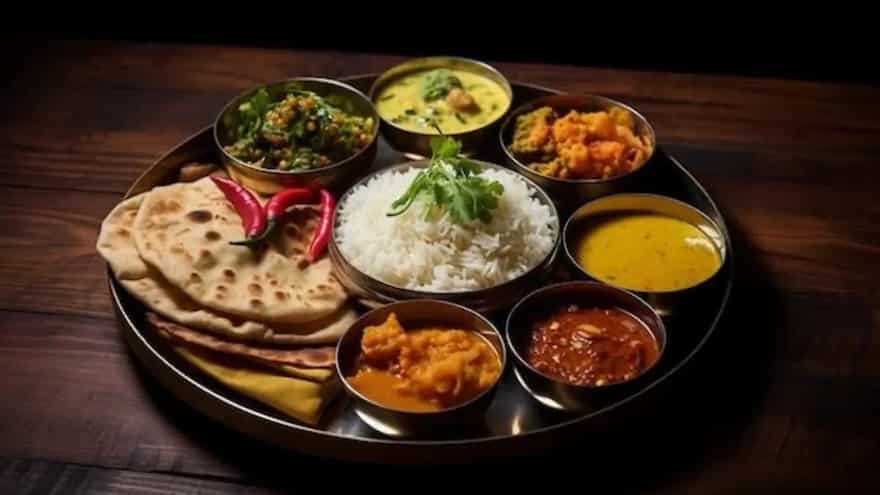
Food in the mess kitchen has a clean, consistent flavour profile. It leans toward moderate spice levels, uses limited oil, and avoids overloading with cream or ghee. This makes it easier to eat multiple times a day. A serving of dal, rice, sabzi, salad, and curd forms the most balanced plate at lunch. Chapatis are made fresh and rotated alongside jeera rice or plain steamed rice. Food is prepared using seasonal vegetables and spices that meet military food safety standards. These kitchens also follow internal quality checks, with strict sourcing and periodic audits, following institutional guidelines that mirror public health protocols.
How The Kitchen Runs And Maintains Standards
The kitchen staff works in shifts and follows a tight schedule. Meals are prepared with consistency, and feedback from Officers is collected and reviewed regularly through mess committees. Headcounts guide how much is prepared each day, and there is almost no wastage. The staff uses standardised recipes and has access to training modules on hygiene and nutrition. Ingredients are delivered fresh each morning, and the cooking process follows strict sanitation procedures. Quality is never compromised, and ingredients like spices, oils, and dairy are supplied only by vetted vendors. Most kitchens also include regular audits and safety checks, which keeps things in line with larger institutional kitchens around the country.
The Officers' Mess kitchen runs on precision, tradition, and thoughtful variety. While there is room for fusion and innovation, it is the staple dishes that continue to anchor the weekly menu that supports both health and morale. For many Officers, the mess kitchen is a familiar, shared space where taste, nostalgia, and routine quietly come together each day.




