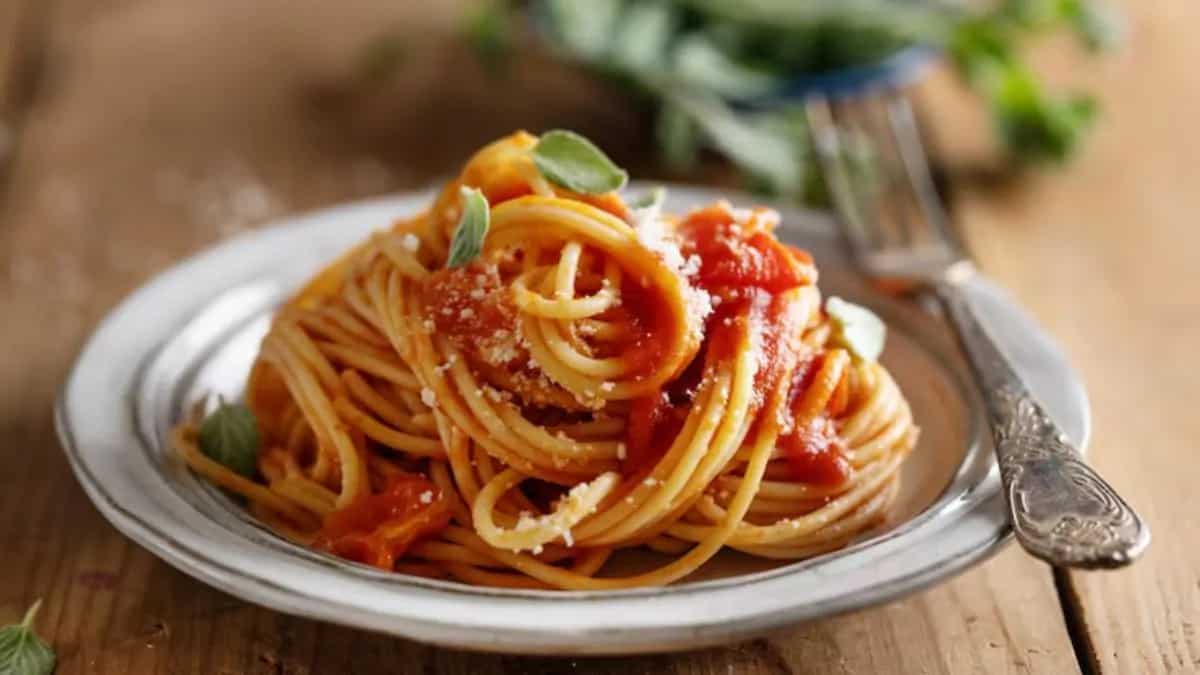
You often wonder while having pasta at a restaurant why it tastes so rich, smooth, and enjoyable, whereas the same dish at home somehow feels dull and flat. The truth is, it’s never about any secret ingredients, tips or fancy equipment. But it is about how the sauce is created. At home, the process is often rushed, throwing everything into a cooking pan and expecting magic to happen. However, in restaurants, the pasta is prepared with great care and attention to detail
A good pasta sauce is like a good discussion. It begins slowly, creates depth, and ends on a pleasant note. The onions need a little extra patience, the tomatoes require a bit of care, and the final stir demands attention. Once you get the hang of this rhythm, making pasta sauce at home stops feeling like a rushed process. With everyday pantry staples and the correct steps, it is easy to make a good pasta sauce that clings to the plate, tastes proportional, and makes you proud of what you have made.
Start With Patience, Not Just Ingredients
Restaurant sauces are rich because they are not cooked in a hurry. When you sauté onions or garlic, not only do you wait for them to soften, but you also wait for them to release their fragrance. This slow cooking pulls out its natural sugar, which creates the base of a deep-flavoured sauce. If you add tomatoes or cream too soon, the raw flavours of onion and garlic remain inside. Let the base build calmly, like warming up before a workout. If you skip it, everything feels off afterwards.
(Image credit: Freepik)
Cook The Tomato Paste Colour Changes
Most home cooks add tomato paste and move on to the next step; that's where the difference lies. Restaurants cook this. When tomato paste hits the hot oil, it should sizzle, darken a little, and smell a little jammy. This step extracts the raw acidity and adds a savoury punch, making the pasta sauce taste “expensive.” That colour change is exactly where richness begins.
That Boiled Water Is A Pasta Sauce Ingredient
Stop throwing away the pasta water after it is boiled; it’s liquid gold. It has starch that naturally thickens the consistency of the sauce and helps it stick to every strand of pasta. Restaurants do not just pour sauce over pasta, but they end up cooking pasta in the sauce, loosening it by adding pasta water. This creates a smooth, silky texture without having to add any cream or butter from the top. Add it little by little and watch the sauce turn glossy instead of just watery.
(Image credit: Freepik)
Balance The Fat
Rich sauces do not depend on fat alone, but they balance it out. A drizzle of olive oil, a knob of butter, or a splash of cream rounds off the sharp edges and makes flavours feel rich and smooth. But too much fat also dulls the taste. Restaurants often add fat at the end, once everything is in place. That final touch coats the tongue and holds aroma, making the sauce taste fuller without feeling too heavy.
Finish With Heat, Not Only Garnish
The last two minutes of cooking decide whether your sauce will taste home-style or restaurant-like. Gentle heat lets flavours settle and mix. This is exactly when herbs, pepper, or cheese should be added and not earlier. Fresh basil or parsley loses its magic if it is overcooked. Restaurants know this quiet finishing moment, which makes a difference.
(Image credit: Freepik)
How To Make Restaurant-Style Pomodoro Pasta Sauce At Home
Ingredients
2 tbsp olive oil or butter
1 small onion, finely chopped
4–5 garlic cloves, finely chopped
1 cup tomato puree (or crushed tomatoes)
2 tbsp tomato paste (optional but recommended)
Salt to taste
½ tsp sugar
½ tsp black pepper
½ tsp chilli flakes (optional)
½ tsp dried oregano or mixed herbs
¼ cup pasta water (from boiled pasta)
Fresh basil or parsley (optional)
Cheese or cream (optional, for richness)
Steps
1. In a pan, heat oil or butter on a medium flame. Add some chopped onions and cook them slowly until it turns soft and lightly golden.
2. Add garlic and cook it for 30–40 seconds until it releases aroma. Do not brown it, or the sauce will taste bitter.
3. Add tomato paste and cook for about 1–2 minutes until it turns a little darker and the raw smell fades away.
4. Pour in tomato puree. Now add salt, sugar, pepper, chilli flakes, and herbs. Mix everything well.
5. Lower the flame and let the sauce cook for about 8–10 minutes, until it gets a thick consistency and appears glossy.
6. Add pasta water little by little to loosen the sauce. This will help in coating the pasta smoothly.
7. Turn off the flame. Add fresh herbs, a drizzle of olive oil, or a little cream or cheese if using. Toss in the cooked pasta and serve hot.