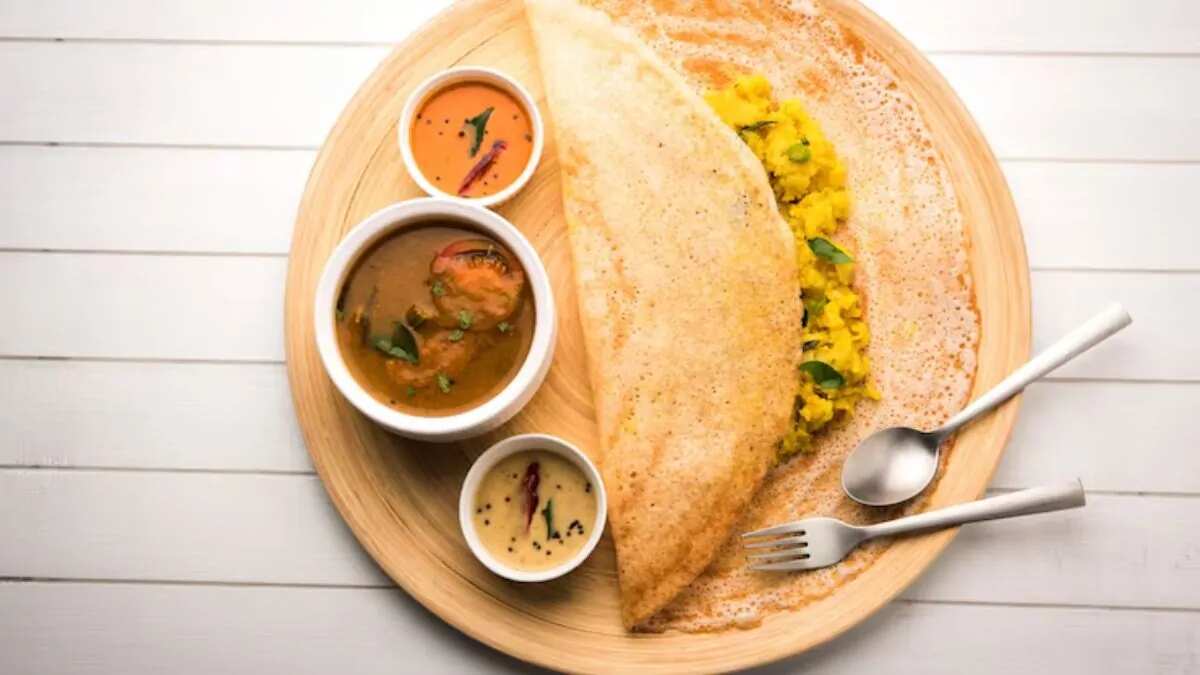
Making the perfect, crisp dosa is a skill that changes a simple batter into a golden, flaky masterpiece. While there are a variety of non-stick pans available that deliver the comfort, nothing can beat the original earthy flavour that dosas get when prepared on an iron tawa. While many find making dosas on an iron tawa a bit challenging, the secret lies in the well-seasoned tawa. A well-prepared tawa guarantees that the batter does not stick to the bottom, spreads evenly, and turns out to be beautifully golden crisp. From maintaining the heat to oiling the surface correctly, every step counts.
The trick lies in patience, i.e. letting the tawa get the ideal temperature, adjusting the consistency of the batter, and knowing exactly when to pour the batter, is essential. These small but essential steps can turn your dosa from an average one to a tempting one.
Season Your Tawa Properly
A well-seasoned iron tawa is the first step to making non-sticky dosas. To season the tawa, heat it, rub oil, and sprinkle some salt on it. Let it smoke a little and then clean it by wiping it with a cloth. Repeat the same process a few times before you begin to use it. This helps in building a natural non-stick surface on the iron tawa, which prevents the batter from sticking. Keep in mind to never wash the seasoned tawas with soap, rather just wipe with a wet cloth. The light layer of oil seals the pores of the iron, guaranteeing smooth spreading of the batter and even cooking of the dosa.
(Image credit: Freepik)
Maintaining The Right Temperature
Temperature control is the key to getting crispy golden dosa. If the tawa is too hot, the batter will not spread evenly; if too cold, the batter will be thick, leaving the dosa looking pale. To check if the tawa is ready to cook, simply sprinkle a few drops of water; if they sizzle and evaporate in a wink, you are good to go. Keep the flame medium-high, and after making every dosa, slightly cool the surface with a damp cloth before you begin to make the next one. This simple hack helps in getting the even crispness and a lovely golden dosa without burning it or uneven cooking.
Spreading The Batter Swiftly And Evenly
Once you pour the ladleful of batter on the tawa, spread it swiftly. Use a ladleful of batter and spread it in circular motions evenly. Quickly, even spreading confirms the dosa is cooked nicely. If the tawa is perfectly seasoned and has the right amount of temperature, the batter will spread smoothly, making a paper-thin layer with a crispy edge, which is the resemblance of a perfect dosa.
(Image credit: Freepik)
Using The Right Amount Of Oil
Adding too much oil to the dosas makes them greasy, whereas very little can make the dosa dry. Drizzle a half teaspoon of oil or ghee around the edges of the dosa, once the batter settles. It flows underneath and raises the dosa naturally. Ghee provides a nutty aroma, while oil helps in keeping the texture light as well as crunchy. Using a brush or spoon to drizzle oil ensures even coating. This technique also stops the dosa from sticking and gives restaurant-style golden glow.
Clean And Store The Tawa Rightly
After cooking, keep in mind to never wash a hot tawa, instead, let it cool. When washing, wipe it with a paper towel first, and then sprinkle salt and scrub gently. You can also apply a thin coat of oil, storing it to keep it from rust and preserve the seasoning. Avoid piling up heavy utensils on it. Proper cleaning maintains the smooth surface and lets it be naturally non-stick. So every time you make dosa, it slides off effortlessly and cooks evenly to golden perfection.
(Image credit: Freepik)