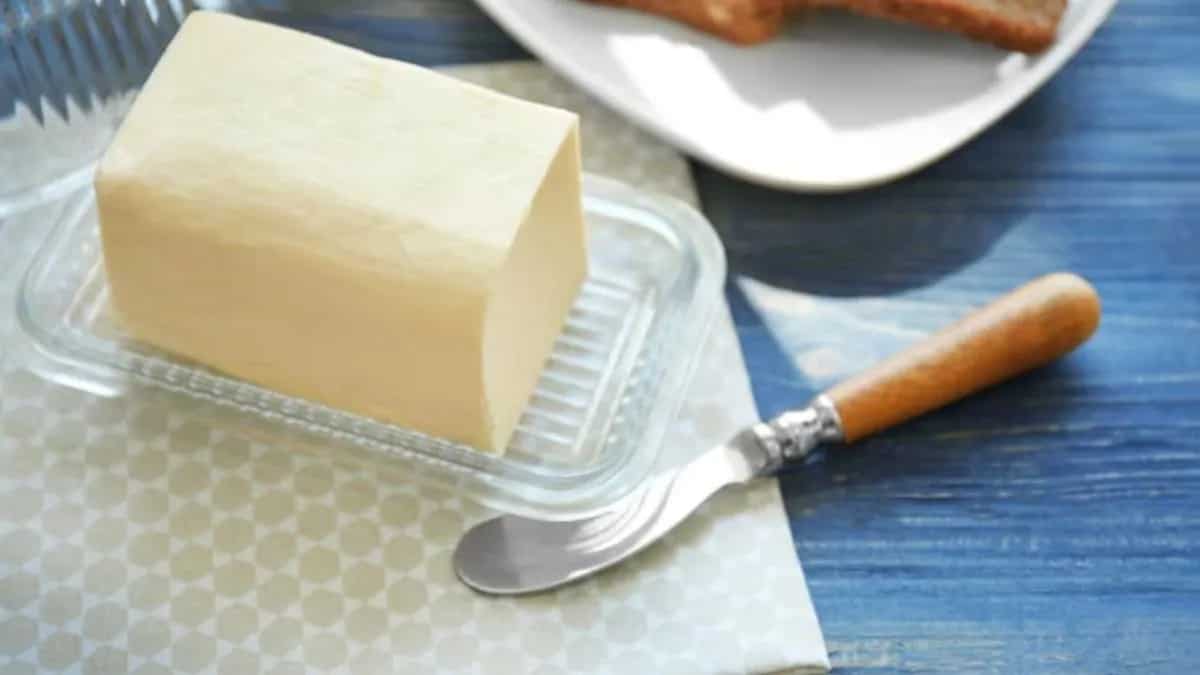
Winter mornings have their own beat- hot chai, toasted bread, and the usual struggle of butter that refuses to spread. Straight from the fridge or even the kitchen counter, the butter turns rock-hard, tearing up the toast in an urge to spread it. Many usually microwave it, only to end up with oily puddles and the lost flavour. The truth is, butter does not demand heat, but it needs balance. Cold weather changes how the butterfat behaves, tightening it into an inflexible block when temperatures drop. Indian kitchens, having marble countertops and chilly cupboards, make this problem even worse.
But generations before this managed the perfectly soft butter without using any gadgets or shortcuts. With a few smarter placements, better storage tricks, and a little understanding of how winter affects dairy, butter can remain creamy and ready to use. These simple, realistic tricks work during winter, and not against it, so that the butter spreads smoothly, tastes fresh, and behaves exactly how it should.
Understand Why Butter Turns Rock-Hard In Winter
Butter hardens during the winter season as its fat crystals tighten during cold temperatures, specifically below 15°C. In Indian winters, the temperature on kitchen counters often drops well below this range during the night. Instead of fighting the cold, deal with it. Keep butter lightly insulated and not refrigerated. The goal is not warmth, but the stability of temperature. A sudden cold makes butter unspreadable; a steady and mild cold keeps it pliable. Once you understand this trick, storage becomes smart, not desperate microwave fixes that ruin the texture.
(Image credit: Freepik)
Use A Covered Butter Dish
A classic butter dish with a loose-fitting lid works better than any airtight containers during winter. Airtight boxes trap the cold air and dry the butter, making it rock hard. A butter dish lets minimal airflow, preventing the condensation while maintaining a milder temperature. Place it away from the windows or marble slabs, which turn icy during winter. This method keeps butter naturally soft for everyday use, making it spreadable on toast, parathas, or pav, without melting or turning oily.
Store Butter Inside A Cupboard
Kitchen counters, particularly granite or marble, act like ice packs during the winter season. Instead of leaving butter exposed, place the butter dish inside a kitchen cupboard—preferably on the one above the stove or near the dry ingredients. These areas remain a little warmer due to the daily cooking heat. The cupboard shields butter from cold drafts whilst keeping it cool enough to hold its shape. It is a simple shift that often makes the difference between knife-breaking butter and that smooth, creamy spread.
(Image credit: Freepik)
Try The “Butter Bell” Or Water-Seal Method
A butter bell (French butter keeper) uses water to regulate temperature naturally. Butter is filled into an inverted cup, sealed by a layer of water below. During the winter season, it prevents cold air from directly hardening the butter while keeping it fresh. The water acts like insulation and not heat. It may sound fancy, but it is extremely practical for cold climates. Change the water every 2 to 3 days, and you will have soft butter without the need for refrigeration.
Portion Butter Smartly Instead of Storing One Big Block
Large butter blocks remain cold inside even when the outer layer turns soft. Instead, divide butter into small, weekly-use portions. Keep one portion outside, in a dish or cupboard and refrigerate the rest. Smaller quantities adjust to room temperature quickly and remain soft. This stops repeated chilling and warming, which affects the texture and flavour. It is a practical winter habit that guarantees butter is always ready to use, no waiting and melting hacks required.
(Image credit: Freepik)