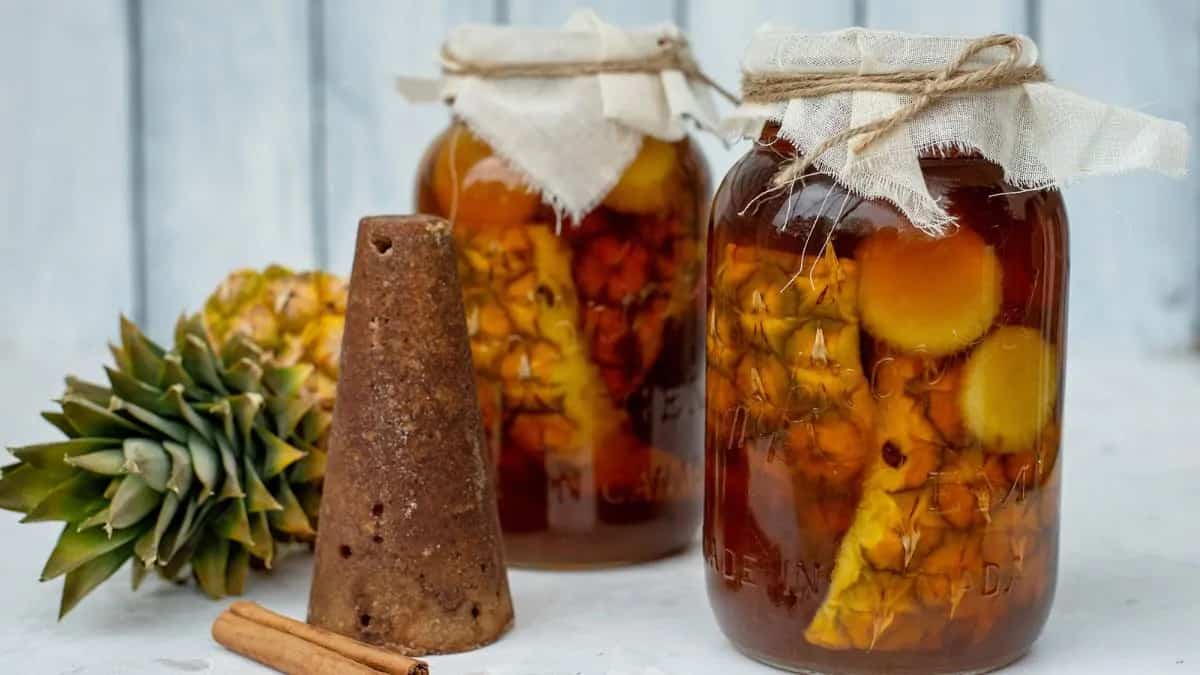
In the bustling markets of Mexico, vendors serve a chilled, amber-coloured beverage from large wooden barrels or plastic bags tied with a straw. This drink, known as Tepache, is a refreshing staple that has sustained people for centuries. For us in India, the concept of a fermented fruit drink is far from foreign. Just as we enjoy the pungent kick of North Indian Kanji or the cooling properties of fermented rice water in the south, Tepache offers a delightful balance of sweetness, fizz, and tang. It is a drink that celebrates the philosophy of zero waste, turning what we usually discard into a nutritional powerhouse.
The Roots And Origin Of Tepache
The story of Tepache begins long before the Spanish arrived in the Americas. Its name is derived from the Nahuatl word tepatl, which translates to drink made from maize. In its earliest form, the indigenous people of Mexico, particularly the Aztecs, fermented corn to create this ritualistic beverage. Over time, as culinary traditions evolved and new ingredients became available, the recipe shifted. By the colonial era, pineapple became the star of the show, leading to the version of Tepache that is globally recognised today.
Image credit: Freepik
Historically, Tepache was more than just a thirst quencher. It was a cultural symbol of hospitality and resourcefulness. It represents the Mexican spirit of making the most of the land. In modern Mexico, it remains a humble street drink, often sold in tepacherías. It is rarely found in commercial bottles because its charm lies in its live, active nature. For Indians, this mirrors our own traditions of homemade pickles and fermented porridges, where the recipe changes slightly from one household to the next.
What Exactly Is Tepache?
At its core, Tepache is a fermented beverage made primarily from the skins and cores of pineapples, sweetened with raw sugar, and seasoned with warm spices. Unlike hard cider or wine, Tepache is only fermented for a short period, usually twenty-four to seventy-two hours. This brief fermentation process results in a drink that is effervescent and lightly sweet with a very low alcohol content, typically less than one per cent.
The magic happens through wild fermentation. The skins of a pineapple are naturally covered in wild yeast and beneficial bacteria. When these peels are submerged in sugary water, the yeast begins to consume the sugar, producing carbon dioxide and a hint of ethanol. This is what creates the characteristic bubbles and the complex, funky flavour profile that sets it apart from standard pineapple juice.
Image credit: Adamant Kitchen
Health Benefits For The Modern Lifestyle
Tepache is not just a treat for the palate; it is a boon for the body. In a world where gut health is increasingly linked to overall well-being, this Mexican brew fits perfectly into a wellness-focused diet.
1. A Probiotic Powerhouse
Because it is a product of natural fermentation, Tepache is rich in probiotics. These are the friendly bacteria that support a healthy gut microbiome. Regular consumption can aid digestion and strengthen the immune system. For those in India who struggle with the heat and its effect on digestion, a glass of Tepache can act as a natural digestive aid after a heavy meal.
2. High Vitamin C Content
Pineapple is famous for its high concentration of Vitamin C. While the peels are the primary ingredient, the nutrients leach into the water during the soaking process. Vitamin C is essential for skin health, collagen production, and protecting the body against oxidative stress.
Image credit: Revolution Fermentation
3. The Magic of Bromelain
Pineapples contain a unique enzyme called bromelain. This enzyme is particularly concentrated in the core and skin of the fruit. Bromelain is known for its anti-inflammatory properties and its ability to help the body break down proteins. This makes Tepache an excellent companion to protein-heavy Indian diets.
4. Natural Hydration
With the intense Indian summers, staying hydrated is a challenge. Tepache provides a more exciting alternative to plain water, offering electrolytes and natural sugars that can help replenish energy levels without the artificial additives found in commercial sodas.
How To Make Tepache At Home
The beauty of Tepache is its simplicity. While the traditional Mexican recipe calls for piloncillo, a type of unrefined cane sugar, Indian kitchens have the perfect substitute: Jaggery or Gur. The deep, earthy notes of jaggery complement the tropical fruit perfectly.
Ingredients You Will Need
• The Fruit: One large, ripe organic pineapple. Ensure it is washed thoroughly but not scrubbed too hard, as we need the natural yeast on the skin.
• The Sweetener: 200 to 250 grams of Jaggery. You can adjust this based on how sweet you want the final result to be.
• The Spices: Two sticks of cinnamon (Dalchini) and three to four cloves (Laung). Some people also like to add a small piece of bruised ginger (Adrak) for an extra kick.
• The Liquid: Two litres of filtered water.
Image credit: Adobe Stock
Step-by-Step Instructions
Step 1: Prepare the Pineapple
Cut the top and bottom off the pineapple and discard them. Slice the skin off in large strips, leaving about half an inch of flesh attached to the skin. Chop the core into chunks. You can eat the rest of the pineapple fruit or save it for a salad.
Step 2: Dissolve the Jaggery
In a large glass jar or a traditional ceramic pot, dissolve the jaggery in the two litres of water. If your jaggery is very hard, you may want to heat a small amount of water to melt it first, then let it cool before adding it to the jar.
Step 3: Combine and Submerge
Add the pineapple skins, core chunks, cinnamon, cloves, and ginger to the jaggery water. It is vital that all the solids are completely submerged under the liquid to prevent any unwanted mould from forming. You can use a small glass weight or a clean stone to keep the peels down.
Step 4: The Fermentation Phase
Cover the mouth of the jar with a clean muslin cloth and secure it with a rubber band. This allows the gases to escape while keeping dust and fruit flies out. Place the jar in a warm, dark corner of your kitchen. In the Indian climate, fermentation happens quite fast. Check the jar after twenty-four hours.
Step 5: Taste and Monitor
After a day or two, you will notice white foam forming on the surface. This is a great sign that the yeast is active. Use a clean spoon to skim off the foam. Taste a small amount. If it is pleasantly tangy and slightly fizzy, it is ready. If you prefer a stronger, more fermented flavour, let it sit for another day. Be careful not to let it ferment for too long, or it may turn into pineapple vinegar.
Step 6: Strain and Chill
Once you are happy with the flavour, strain the liquid into glass bottles. Discard the solids or add them to your compost bin. Place the bottles in the refrigerator to stop the fermentation process and chill the drink.
Serving Suggestions
Tepache is best served ice-cold. For a truly Indian twist, you can serve it in a copper glass or a clay kulhad. If you want to elevate the experience, sprinkle a pinch of black salt (Kala Namak) or roasted cumin powder (Bhuna Jeera) on top before serving. These spices interact beautifully with the sweetness of the pineapple and the earthiness of the jaggery.