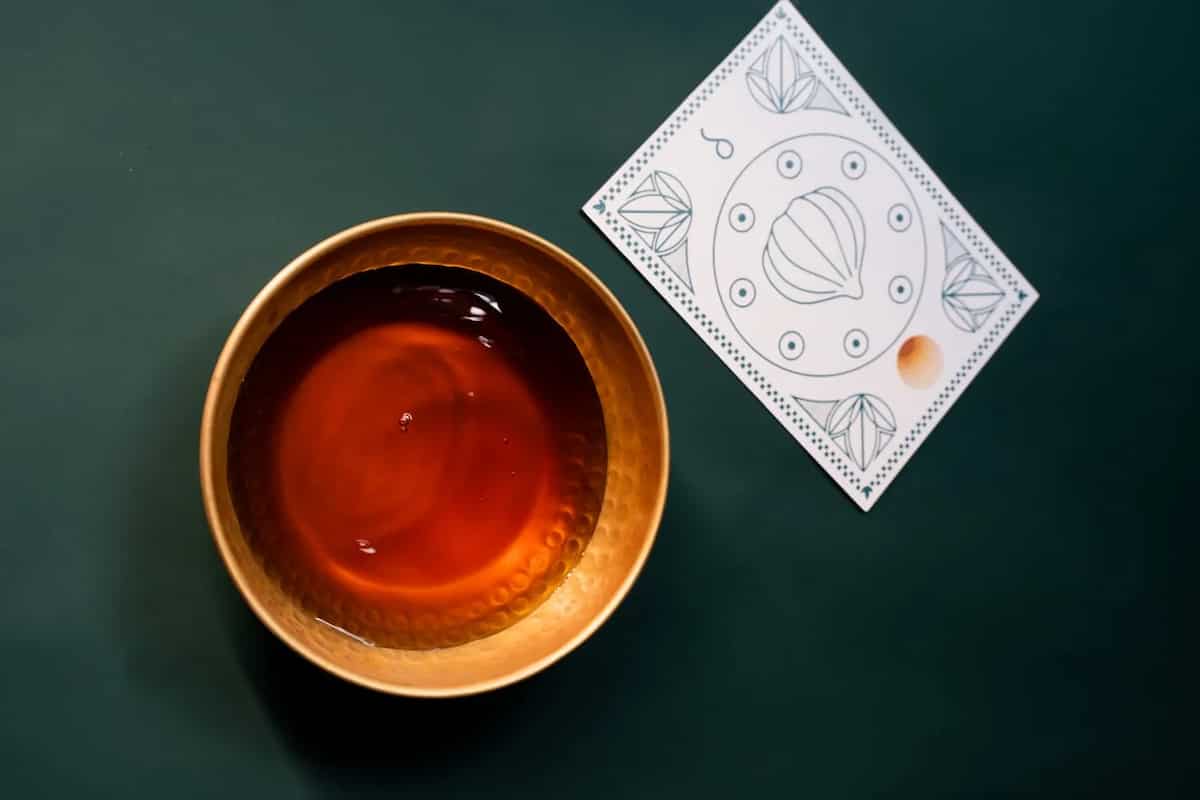
Do you drink your cocktail before a meal or after one? Don't worry, we are not judging you. There is often a perception that cocktails are only meant to be enjoyed before or after a meal. However you choose to have it, cocktail evenings should be fun, meant to be enjoyed slowly, inviting conversations filled with laughter, happy moments, and banter. The Ekaa Pour at The Amber Terrace unfolded in the same spirit. Ekaa Mumbai showcased its distinctive perspective on modern cocktails, where ingredients are reimagined, flavours are layered with intention, and every drink tells a story of exploration. The evening was dedicated to those who enjoy looking beyond the expected and experience cocktails beyond the conventional.
The Ekaa Pour, presented by Dewar's at The Amber Terrace, The Leela Palace Jaipur, was a one-of-a-kind sit-down cocktail tasting experience showcasing creations from the Dwadash 2.0 menu. Ekaa, in Sanskrit, means "unique," and Dwadash means "twelve." Mixologist Kaustubh Kaslya presented 12 unique cocktails through storytelling, hospitality, and cultural expression.
From Ayurveda-inspired cocktails to flavors inspired by Berry Pulao, the cocktail menu offered a sensory journey. The 12-course cocktail menu, Dwadash 2.0, aims to capture India's diverse landscapes, culinary traditions, forgotten ingredients, seasonal produce, and personal memories. An experience that explores different expressions of the country, from coastal salinity and mountain botanicals to spice markets, festive sweets, regional fruits, and preserved ingredients.
To understand the precision behind each cocktail, Slurrp spoke with Ekaa’s Head Mixologist, Kaustubh Santosh Kaslya, about the inspiration, ingredients, and philosophy behind Dwadash 2.0. Here's what he had to say.
Q1. How would you describe the concept of Dwadash? What inspired the idea of creating a 12-course cocktail experience?
Dwadash, which means "twelve" in Sanskrit, was created to present cocktails as a complete tasting journey rather than individual drinks. Inspired by a chef's tasting menu, the team wanted to change the perception that cocktails are only meant to be enjoyed before or after a meal.
He adds that the number twelve carries deep cultural, spiritual, and cyclical significance in India, symbolising completeness and transformation. Every cocktail represents a chapter in a larger story, gradually introducing new flavours, aromas, textures, and emotions. Instead of choosing a single drink, guests experience a carefully curated sequence that celebrates Indian ingredients, craftsmanship, and storytelling.
Q2. How was the menu for Dwadash 2.0 conceptualized and developed
Kaustubh shares that Dwadash 2.0 was built around nostalgia and collective Indian memories. Instead of starting with spirits or cocktail styles, the team began with experiences such as childhood foods, local markets, regional traditions, seasonal rituals, and familiar flavours that instantly evoke emotions.
“Every cocktail translates a memory into liquid form. Months of research, ingredient sourcing, experimentation, and tasting sessions went into developing the menu. The twelve cocktails are intentionally arranged, beginning with lighter flavours before progressing towards richer and more layered expressions”, he explains.
Q3. What sets these cocktails apart from conventional cocktail offerings?
Dwadash 2.0 is not just a cocktail menu; rather, it's a carefully designed tasting experience. Using techniques such as fermentation, clarification, distillation, infusion, and ingredient extraction, familiar Indian flavours are presented in completely new ways, making every drink feel both nostalgic and contemporary.
Kombucha
The experience starts off with a delicious Kombucha based cocktail that serves to open up the palate for what lies ahead.
It’s Swicy
Just how it sounds, this cocktail combines a sweet taste with a spicy edge. Built around habanero chilis, it delivers heat without overpowering the drink, creating a lively opening to the menu.
Narangi
Evoking memories of the orange cream biscuits that can be found in many lunch boxes during childhood in India, Narangi takes this familiar flavour and turns it into a citrus based edible cocktail.
Feni
Celebrating Goa's famous feni, this cocktail showcases the flavours that are associated with the coast and India's rich tradition of beverages. Served with the limca sorbet, Feni is shown off in a refined manner through this cocktail.
Champa
Taking inspiration from the Champa flowers that are commonly available at the Dadar flower market of Mumbai, this floral cocktail acts as a light palate cleansing cocktail.
Berry Pulav
One of the most interesting drinks on Ekaa's menu, this cocktail is inspired by the Parsi dish, berry pulav, which is a much-loved delicacy. This cocktail tastes exactly like pulav; as if served in liquid form in a glass, offering the sweet and tangy notes of the dish.
Nilgiri
Using botanicals from the Nilgiri mountains, this cocktail has a crisp profile of mountain herbs.
Petrichor
Inspired by the smell of the first rains on parched earth, Petrichor captures the essence of the monsoons. This cocktail uses earthy aromas and complex layers of flavours to evoke monsoon memories.
Modak
Honoring Lord Ganesha's favourite sweet, this cocktail recreates the flavour combination of coconut and jaggery that makes the modak so special.
Chaas
A unique twist on the traditional Indian drink of buttermilk, Chaas is a savoury cocktail that is refreshing and surprisingly complex.
Paan
Incorporating the flavour of the traditional Indian paan that is eaten after a meal, this cocktail takes the refreshing taste and sweet herby notes of paan.
Choki Choki
In honour of the sweet childhood treat, this cocktail recreates the chocolatey goodness and dessert-like flavour notes.
Kaustubh says, “Every cocktail in Dwadash has a specific purpose within the tasting experience. Some introduce new flavour profiles, others refresh the palate, while a few gradually build complexity or create moments of pause between courses.”
Q4. Where do the ingredients used in the cocktails come from? Do you primarily work with locally sourced produce, foraged ingredients, artisanal products, or specially sourced elements?
Ingredient sourcing plays a central role in Ekaa's cocktail programme, Kaustubh shares. The team works closely with locally sourced produce, seasonal fruits, herbs, spices, and small-scale farmers whenever possible. They also collaborate with specialty suppliers to source unique botanicals and artisanal ingredients that meet their quality standards.
He adds that many ingredients are rarely seen in modern cocktails, including Champa flowers, Zereshk berries, indigenous herbs, regional spices, and agricultural by-products. Ingredients such as Mountain Pepper and Naga Basil add regional character and complexity while introducing guests to lesser-known Indian flavours.
Sustainability is equally important, he says. The team constantly looks for ways to maximise every ingredient and minimise waste throughout the preparation process.
Q5. When recreating flavors without relying on artificial colors or flavoring agents, how do you ensure balance and consistency in the final drink?
Kaustubh explains that authenticity is one of the guiding principles behind Dwadash 2.0. Rather than recreating flavours artificially, the team focuses on understanding every ingredient from its origin.
“We extract aromatic oils naturally, balance acidity using organic acids, and prepare concentrated syrups and extracts from fresh produce. Many ingredients go through several stages of processing before reaching the final cocktail, resulting in flavours that feel familiar while offering something new”, shares Kaslay.
Q6. What made Amber Terrace at The Leela the ideal venue for hosting the Ekaa Pour and showcasing the Dwadash experience?
Kaustubh says, “ Dwadash is designed as an immersive experience, and Amber Terrace offered the ideal setting for that vision. The elegant open-air venue creates a calm atmosphere where guests can slow down, enjoy each cocktail, and appreciate the story unfolding throughout the tasting menu. The space complements the experience by bringing together luxury, hospitality, and a strong sense of place.”
Q7. What food pairings would you recommend for guests exploring the Dwadash cocktail menu?
Dwadash intentionally moves away from traditional food pairings. He believes every cocktail should be experienced on its own so guests can fully appreciate each ingredient, flavour, and technique. Rather than using food to complete a drink, the focus remains on allowing every cocktail to tell its own journey.
Q8. Do you have a favorite cocktail from the Dwadash 2.0 menu? Why?
Kaustubh smiles and says choosing a favourite cocktail is like choosing a favourite child. Every creation holds a special place because each one represents months of research, experimentation, and refinement. That said, he admits Berry Pulao, Modak, and Choki Choki are especially close to his heart. According to him, these cocktails perfectly represent what Dwadash stands for—transforming familiar Indian flavours into something unexpected while preserving the emotions and memories attached to them.
Conclusion
The Ekaa Pour at The Amber Terrace showcased that modern cocktails can go beyond mixing premium spirits. Through Dwadash 2.0, every drink brings forward its story inspired by India's ingredients, memories, and regional traditions. The entire team of Ekaa, Mumbai, with Kaustubh Kaslya presented the thoughtful approach of how flavours can spark nostalgia while introducing guests to new techniques and perspectives.
Set against the beautiful Aravalli hills, The Leela Palace Jaipur offered the perfect backdrop for this immersive tasting experience. Its elegant ambience and warm hospitality complemented Ekaa's philosophy of reimagining Indian ingredients. Together, The Amber Terrace and Ekaa created a memorable evening, emphasising that cocktails can be enjoyed without food.