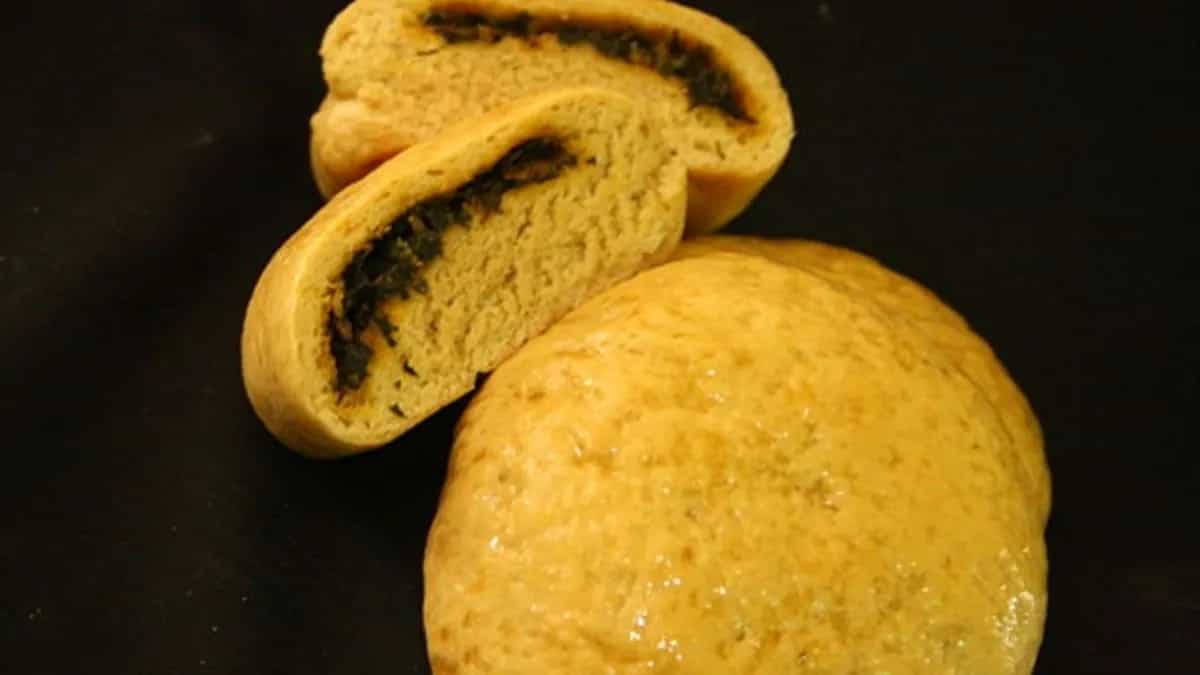
In India, the majority of your meals include carbohydrates. For lunch and dinner, either roti or rice is served. These are essential components of your food that you cannot live without. The English bread, sometimes known as double-roti because it is twice as thick as ordinary roti, is another option. In actuality, a wide variety of breads are available when you walk into a bakery in India. It's endless, from bread to Italian Parmesan. Given the Indian diversity in terms of culture and cuisine, the country has a host of regional dishes that are specific to certain parts. Breads are not far behind.
A certain type of poori or bread, which is popular in Uttar Pradesh, may not be known in, say, Chennai. One such regional variety is siddu. Pretty common in the areas of Himachal Pradesh, siddu is a type of bread that is prepared and consumed locally. Let’s discover its origins, ingredients, regional differences, serving customs, and the growth of culinary tourism. Indulge in the delectable flavours of siddu and immerse yourself in this wonderful region's culinary tradition.
Origin & History Of Himachali Siddu
It is made from wheat flour, like our regular chapatti. However, the dough is filled with lots of other things that give it a distinct taste. At first, it might appear to you like gujiya because of its shape, but don’t be fooled because it is mostly served as a savoury.
Siddu holds a special place in the region's culinary heritage. This traditional steamed bread has a history that dates back centuries, originating from the times of nomadic shepherds who roamed the rugged terrains of Himachal Pradesh. As they traversed the mountains with their livestock, they needed a nourishing and portable meal, which gave rise to the creation of siddu. Over time, siddu became an integral part of the local cuisine, deeply rooted in the cultural traditions and celebrations of Himachal Pradesh.
Image Credit: Wikimedia Commons
A combination of simple yet essential ingredients is used. Locally sourced wheat flour forms the base of the bread, giving it a hearty and wholesome texture. The dough is leavened with the help of yeast, allowing it to rise and achieve a soft and fluffy consistency. Ghee, a clarified butter with a rich and nutty flavour, is incorporated into the dough, enhancing its taste and adding a touch of indulgence. Aromatic spices such as cumin, coriander, and fennel seeds are added to the dough, infusing it with their delightful fragrance and contributing to the overall flavour profile of siddu.
Also Read: Madra- The Himachali Dham Delight
The siddu is mostly eaten during winter because of the warmth and nutrition it provides to the body. Accompaniments for this bread are usually clarified butter, but people relish some coriander chutney or a saucy broth too. This simple bread preparation holds a strong significance in the lives of the Pahari people, including the tribals, who associate it with their cultural identity and a way of preserving tradition.
The popularity of siddu has also led to the rise of culinary tourism in Himachal Pradesh. Travellers can engage in siddu workshops and culinary experiences, where they can learn the art of making this traditional bread from local experts. These workshops provide a hands-on opportunity to understand the nuances of Siddu preparation, from kneading the dough to perfecting the fillings. Such experiences allow travellers not only taste but also actively participate in preserving the culinary heritage of the region.
The Art Of Moulding A Himachali Siddu In Winters
The preparation of siddu involves a meticulous process. The dough is kneaded with care, ensuring the perfect balance of elasticity and softness. It is then left to rest and rise, allowing the yeast to work its magic and create the desired texture. Once the dough has risen, it is divided into portions and filled with a savoury stuffing. Traditional fillings include a mixture of ground lentils, spinach, or turnip greens seasoned with a blend of aromatic spices such as ginger, garlic, and red chilli powder. The filling adds depth and flavour to each bite of siddu, creating a harmonious combination of textures and tastes.
Image Credit: Wikimedia Commons
Siddu delights the taste buds with its unique flavour profile. The outer layer of the bread is golden-brown and slightly crispy, while the inside is soft, fluffy, and moist. The combination of wheat flour, yeast, and spices creates a distinct aroma that wafts through the air. The savoury filling brings a burst of flavours, ranging from earthy and spiced to subtly tangy, depending on the regional variations.
Siddu showcases regional diversity within Himachal Pradesh, with different areas offering their own interpretations of this traditional bread. In Kullu, Siddu is often filled with a delightful mixture of poppy seeds and jaggery, resulting in a sweet and nutty flavour profile. In Mandi, minced meat or a blend of aromatic spices like cinnamon and cloves are used as fillings, adding a distinct savoury character. These regional variations highlight the culinary creativity and cultural nuances present within Himachal Pradesh.
How Is Himachali Siddu Eaten?
Traditionally, siddu is enjoyed hot, allowing the flavours to fully unfold. It is often served with a dollop of fresh homemade butter or ghee, which adds richness and enhances the overall taste. Siddu pairs beautifully with tangy tomato chutney, cooling mint raita, or a side of warm dal, creating a harmonious balance of flavours. These condiments complement the texture and spices of siddu, elevating the culinary experience.
In Himachal Pradesh, siddu holds significance in festivals and special occasions. It is commonly prepared and savoured during auspicious celebrations such as weddings, religious festivals, and family gatherings. The act of making and sharing Siddu strengthens social bonds and fosters a sense of togetherness, as families come together to prepare and enjoy this cherished delicacy.
Image Credit: Wikimedia Commons
When visiting Himachal Pradesh, one can explore the bustling markets and traditional eateries in famous destinations like Shimla, Manali, Dharamshala, and Mandi to experience the authentic flavours of siddu. Local street food vendors and family-run establishments take pride in serving siddu, allowing visitors to immerse themselves in the culinary traditions and cultural heritage of Himachal Pradesh.
Apart from its delicious taste, siddu offers several health benefits. The use of whole wheat flour provides essential nutrients and dietary fibre, promoting digestive health. The aromatic spices used in the filling, such as cumin and coriander seeds, offer antioxidant and anti-inflammatory properties. Additionally, the slow-steaming method of cooking ensures that the bread retains its nutritional value, making siddu a wholesome and satisfying meal option. It’s quite easy to make at home if you ever feel like switching to a healthier alternative for your breakfast dishes.
How To Make Himachali Siddu At Home
In recent years, it has gained recognition and appreciation in other parts of India as well. Restaurants and food festivals across the country often feature siddu as a highlight, introducing people to the unique flavours and cultural heritage of Himachal Pradesh.
The filling for siddu can be prepared in a variety of ways. Siddu typically consists of cooked wheat with a filling. Peas, potatoes, urad dal, rajma, walnuts, peanuts, and other fillings are used by people. To make a genuine and mouthwatering version of this Himachali treat, you must become an expert in siddu filling. Knowing the specifics of siddu fillings can improve your cooking skills, whether you’re a home cook eager to try regional Indian dishes or a chef looking for a new bite of the foods.
The use of fresh, finest ingredients is the foundation of a mouthwatering Himachali siddu filling. Starchy potatoes work best for a traditional potato filling since they cook up fluffy. If you decide to use a lentil filling, it's important to use fresh lentils and soak them beforehand to improve texture and ensure even cooking. The quality of your filling as a whole, as well as its flavour, will be influenced by how fresh your food is. Fresh spices are necessary in addition to the primary ingredients. Ground whole spices, like coriander, cumin, and garam masala, have more flavour when ground freshly than when they are pre-processed.
Image Credit: Wikimedia Commons
Freshly chopped herbs, especially mint or coriander, give the filling a bright colour and a fresh flavour that improves the overall flavour. Don't use old spices or canned ingredients; these will make your filling taste bland and lessen the true flavour of your siddu. If you own a steamer, arrange the siddus in the steamer basket on trays, with space between them to allow for sufficient airflow. A pot with a steaming rack or even a colander placed over boiling water can function as an efficient substitute for a dedicated steamer.
Depending on their size, the siddus should be steamed for a duration of approximately 15-20 minutes. The important thing is to make sure they are cooked through and puffy, which means they're prepared for serving. Before serving, you may like to consider brushing the siddus with butter or melted ghee right away after steaming.
The final dish shows the passion that went into every stage, from choosing fresh ingredients to getting the perfect texture. A well-made Himachali siddu is full of flavour and goodness, and can be served as a main course or a snack that will impress your family and friends and allow you to introduce them to the rich culinary traditions of Himachali cuisine.