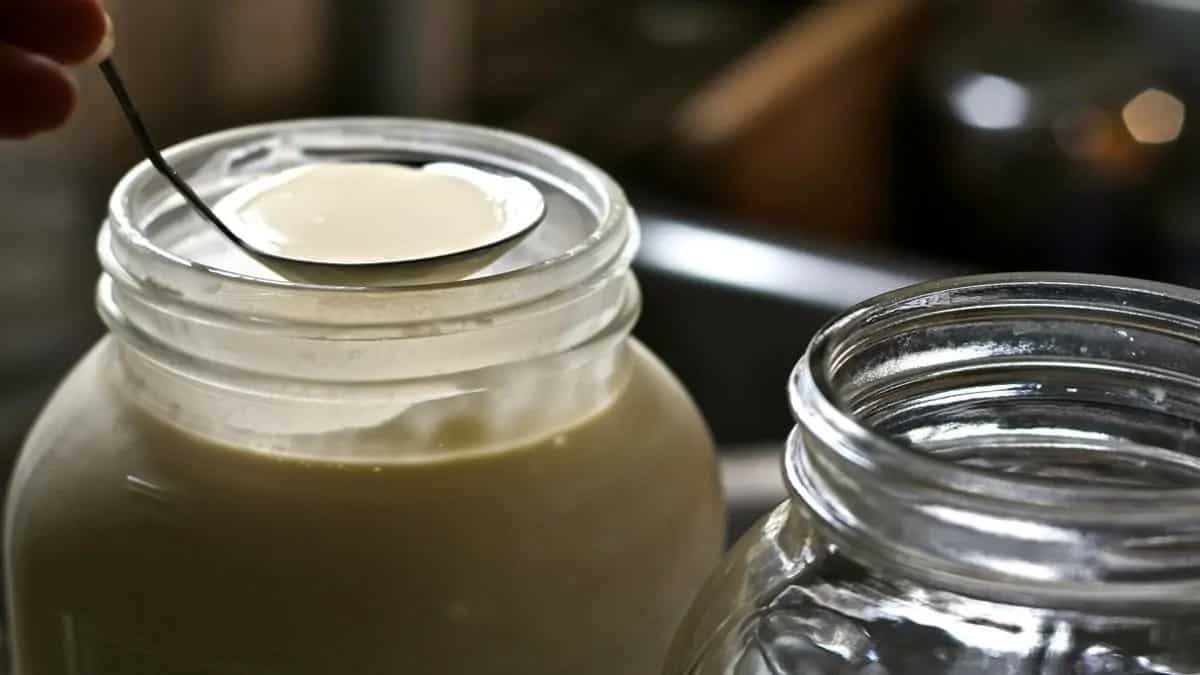
Milk is a staple in many households, providing essential nutrients and versatility in various recipes. However, there are instances when we find ourselves with a carton of milk that has gone sour. While the immediate reaction may be to discard it, there are actually several innovative ways to repurpose sour milk and transform it into delicious treats. Let's explore the creative and practical methods to salvage and utilize spoiled milk, promoting sustainability and culinary ingenuity in your kitchen.
Also Read: Is Goat Milk Really Healthy? Find Out
Homemade Yogurt:
One of the simplest and most rewarding uses for sour milk is creating homemade yoghurt. The natural bacteria present in sour milk undergo fermentation, resulting in a tangy and nutritious yoghurt.
Here's a step-by-step process to make your own homemade yoghurt:
- Heat the sour milk in a saucepan until it reaches a temperature of 180°F (82°C), stirring occasionally.
- Allow the milk to cool to around 110°F (43°C).
- Add a tablespoon of plain yoghurt with active cultures as a starter culture to the cooled milk.
- Mix well and cover the saucepan with a clean cloth or lid.
- Place the saucepan in a warm spot, maintaining a temperature between 100°F and 115°F (38°C and 46°C), for 4 to 6 hours.
- Once the yoghurt has thickened to your desired consistency, refrigerate it to halt the fermentation process.
- Enjoy your homemade yoghurt as a standalone snack or incorporate it into various recipes.
Buttermilk Substitute:
Sour milk can serve as a suitable substitute for buttermilk in numerous recipes, providing a tangy flavour profile.
To create a buttermilk substitute using sour milk, follow these straightforward steps:
- In a measuring cup, combine one cup of sour milk with one tablespoon of lemon juice or vinegar.
- Let the mixture sit for approximately 5 minutes, allowing the acid to interact with the milk and mimic the characteristics of buttermilk.
- Stir the mixture gently before using it as a substitute for buttermilk in recipes such as pancakes, biscuits, cakes, or dressings.
Cottage Cheese:
Transforming sour milk into creamy cottage cheese is a fantastic way to repurpose it.
With minimal effort, you can create a delectable homemade cottage cheese using the following method:
- Heat the sour milk in a saucepan over low heat until it reaches a temperature of 120°F (49°C), stirring occasionally.
- Add lemon juice or vinegar to the heated milk, which will cause it to curdle.
- Allow the mixture to sit undisturbed for approximately 10 minutes, enabling the curds to form.
- Line a fine-mesh sieve or cheesecloth with muslin or paper towel and place it over a bowl to collect the whey.
- Pour the curdled mixture onto the lined sieve or cheesecloth, allowing the whey to drain away.
- Rinse the curds under cold water to remove excess acidity, then gently squeeze to remove any remaining liquid.
- Season the cottage cheese with salt and herbs according to your taste preferences.
- Refrigerate the cottage cheese for a couple of hours before serving it as a spread, topping for salads, or filling for stuffed vegetables.
Pancakes and Waffles:
Adding sour milk to pancake or waffle batter can lend a unique twist to these breakfast favourites. The acidity of the spoiled milk interacts with baking soda, resulting in light, fluffy, and tender pancakes or waffles.
To incorporate sour milk into your batter, follow these instructions:
- Substitute an equal amount of sour milk for regular milk in your favourite pancake or waffle recipe.
- Incorporate the sour milk into the dry ingredients, along with other required wet ingredients, such as eggs and oil.
- Mix the batter until just combined, being careful not to overmix.
- Cook the pancakes or waffles on a preheated griddle or waffle iron, following the usual cooking instructions for the recipe.
- Serve the resulting pancakes or waffles with your preferred toppings, such as fresh fruit, syrup, or whipped cream, and relish the subtle tanginess they offer.
Chocolate Pudding:
Sour milk can be a surprising ingredient in creating a luscious and creamy chocolate pudding.
Follow these steps to whip up a delightful dessert:
- In a saucepan, whisk together sugar, cocoa powder, cornstarch, and a pinch of salt.
- Gradually add the sour milk to the mixture, whisking constantly to prevent the formation of lumps.
- Place the saucepan over medium heat and cook the mixture, stirring continuously, until it thickens to a pudding-like consistency.
- Remove the saucepan from the heat and stir in a splash of vanilla extract to enhance the flavour.
- Allow the chocolate pudding to cool slightly before transferring it to serving dishes or a large bowl.
- Refrigerate the pudding until it sets completely, usually for a few hours.
- Serve chilled and savour the indulgent combination of chocolate and the subtle tang of sour milk.
Instead of discarding sour milk, consider the numerous possibilities it presents for culinary exploration. By employing these creative techniques, you can transform a potentially wasted resource into delicious homemade yoghurt, tangy buttermilk substitutes, creamy cottage cheese, fluffy pancakes and waffles, and delectable chocolate pudding. Embrace your culinary creativity, reduce food waste, and relish the surprising sweetness that can arise from milk gone bad. By doing so, you contribute to a sustainable kitchen and unlock a world of unique flavours and textures.