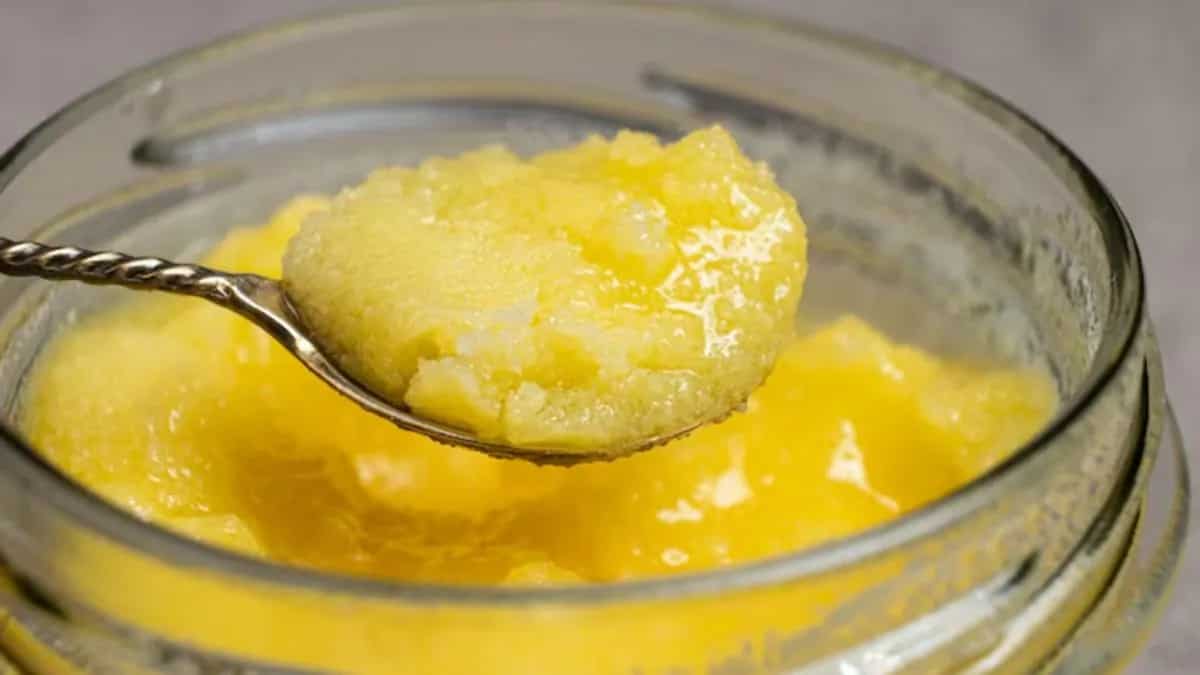
Ghee has two separate roles in many Indian households. In the kitchen, it is used for cooking; in religious practices, it is also used to light diyas and perform havan. Although these uses may seem closely related, the products prepared for them are not necessarily synonymous. Some items sold for worship may have non-edible fats, oils or other substances rather than the milk fat that represents edible ghee.
Similarly, Uttar Pradesh’s Food Safety and Drug Administration (FSDA) has moved to address this disparity by banning the marketing of products intended for non-food use as ‘puja ghee’. The order follows concerns about the composition and production of some ritual-use products. It also sets out provisions for warnings, packaging and manufacturing. The purpose is to prevent consumers from using a product meant for religious purposes as a cooking ingredient and to make its intended purpose more evident before they are purchased.
Why Has Uttar Pradesh Taken This Step?
The concern centres around the ingredients that are found in some products being sold for ritual usage. Substances such as vanaspati, refined oils, paraffin, mineral oil and fragrances are found in puja ghee.
Edible ghee is a regulated milk fat that has prescribed standards, making it adequate for daily consumption. A product prepared from inedible fats does not become food-grade just because it has the same colour, texture or fragrance. The order therefore limits the use of the word ‘ghee’ for non-edible ritual products, including those sold as ‘ghee for puja’.
(Image credit: Freepik)
What Does The Order Mean For Consumers?
The most immediate change is more precise identification. As per the order, non-edible ritual products sold in retail packs must have the warning ‘Not for Human Consumption’ in Hindi as well as English, along with a black cross inside a square.
For shoppers, this makes the intentional use of a product much easier to identify. While buying, read the label rather than depending on the container, colour or fragrance. Products explicitly sold for lighting diyas or performing havan should not be added to food, even if they appear to be similar to the ghee that is used at home.
The order does not mean that all products used in religious rituals are unsafe. It addresses the marketing and handling of non-edible products that could be misunderstood for food.
What Changes For Manufacturers And Sellers?
The directive also targets methods that could raise the risk of mix-ups or contamination. The FSDA has raised concerns about non-edible ritual products being manufactured or packed along with edible ghee and oils. It has also barred manufacturers from using the same brand name for edible ghee and products that are made from inedible fats for religious purposes.
These requirements place responsibility on businesses to differentiate food products from non-food goods at the time of manufacturing, packaging and retail steps, not only through a small disclaimer after a product has reached the shelf.
(Image credit: Freepik)
How Is This Different From Ordinary Ghee Labelling?
The concern is not simply if a packet has the word ‘puja’. It is whether the product is edible, meets the required food bars and is labelled in a way that precisely conveys its intended usage. Food products are subject to the relevant requirements of the Food Safety and Standards Authority of India (FSSAI), whereas non-food ritual products must not be marketed as edible ghee.
For consumers, the clear takeaway is to buy ghee made for cooking from a distinctly labelled food product, and keep non-edible ritual-use products separate from kitchen ingredients. For sellers, the directive reinforces that religious use does not remove the need for precise product identity and safe handling.