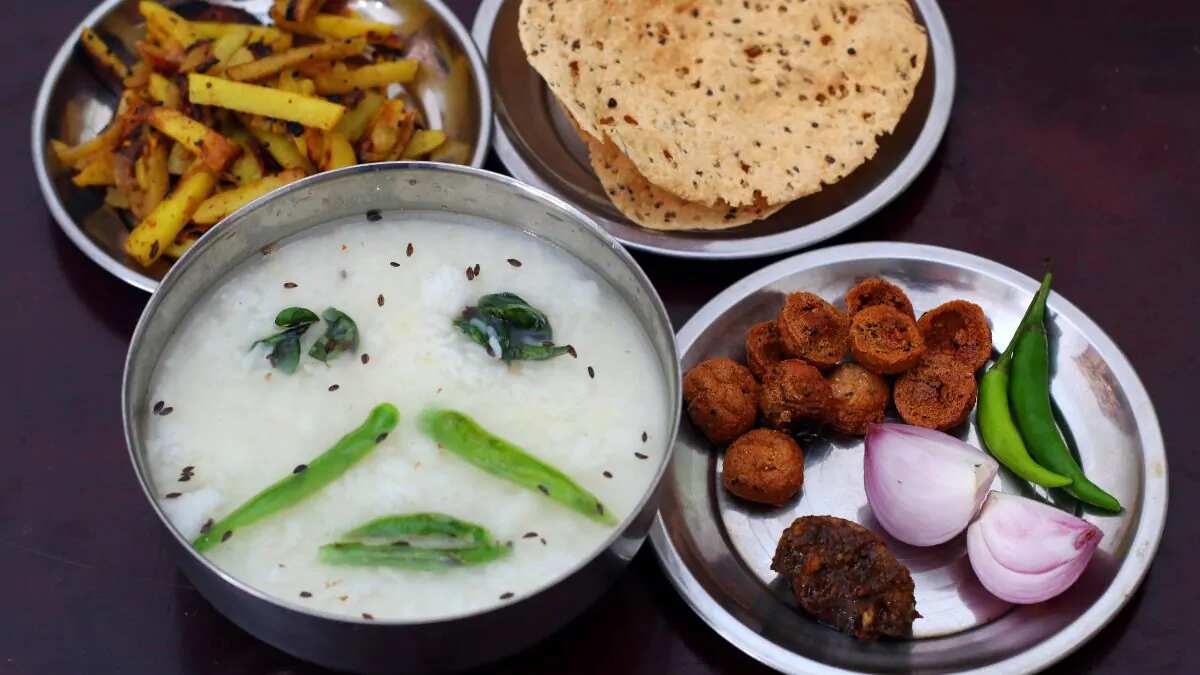
As temperatures begin to rise, everyday eating habits take a shift toward lighter, cooling, and easier-to-digest foods. Some traditional food practices across the country have long recognised this seasonal need, which is why you may find many regional summer diets include fermented foods in their everyday meal. Fermentation is an age-old practice where natural bacteria and yeasts break down sugars into food, which enhances both flavour and its nutritional value.
What makes fermented foods especially suitable for the summer is the way they help in digestion, and the body adjusts to heat. During hot weather, the digestive system often becomes much more sensitive, which results in appetite fluctuation. Fermented dishes, therefore, tend to be lighter on the stomach and release beneficial bacteria that support gut health.
Why Fermented Foods Are Beneficial In Summer
Support Gut Health
Fermented foods have beneficial bacteria that help in maintaining a healthy balance of microbes in the digestive system. During the summer season, digestion goes for a toss and can become slow because the body shifts energy toward regulating temperature. Foods like fermented rice or buttermilk-based preparations have natural probiotics that keep the digestion much smoother. It also helps in reducing common discomforts of the season, such as bloating or acidity.
Help The Body Stay Cool
Many fermented foods are naturally hydrating and light in nature. Some traditional drinks and dishes that are prepared with rice, curd, or grains have water and electrolytes that help in replenishing the body during hot weather. The blend of light acidity, hydration, and texture makes these foods refreshing and appropriate for summer meals when heavy or oily dishes can feel discomfiting.
Improve Nutrient Absorption
The fermentation process improves the availability of certain vitamins and minerals in food. The process helps in breaking down compounds that can stop nutrient absorption, allowing the body to better utilise iron, zinc, and B vitamins. In rural diets, fermented foods have historically been an essential way to improve nutrition using just the simple ingredients such as rice or dals.
Fermented Foods That Are Eaten In Summer
Across India, many communities have created their own fermented summer staples that use grains, vegetables, and pulses. These foods use regional ingredients as well as the seasonal knowledge that has been passed down through generations.
Pakhala Bhaat, Odisha
Pakhala bhaat is basically a fermented rice dish that has been a summer staple in Odisha for years. Cooked rice is soaked in water overnight to let it ferment. The following day, it is eaten cold, usually with curd, a side of fried vegetables, or pickles. The dish is incredibly hydrating while being light, which is why it is generally consumed during the hot summer days. The fermentation gives the rice a light acidic flavour and introduces the good bacteria that help in digestion. Because it is rich in water and has electrolytes, pakhala bhaat helps the body stay cool and energised.
(Image credits: Wikimedia Commons)
Pazhaya Sadam, Tamil Nadu
Pazhaya sadam, in literal terms, means “old rice,” and is another traditional fermented rice preparation from Tamil Nadu. Leftover cooked rice is soaked in water overnight and eaten the next morning, often paired with raw onions, green chillies, and curd. This dish provides hydration and maintains energy levels. The fermentation produces microbes and increases vitamins B. Many nutritionists also recognise pazhaya sadam as a simple example of a probiotic-rich meal that helps in digestion, while keeping the body cool and the gut relaxed.
Gundruk, Sikkim And The Eastern Himalayas
Gundruk is a fermented leafy vegetable that is commonly eaten in Sikkim, Nepal, and some parts of the eastern Himalayan region. Mustard leaves, radish leaves, or cabbage are fermented and then dried, making a tangy preserved ingredient that is used in soups or side dishes. Although gundruk is consumed throughout the year, it becomes particularly useful in warmer months because its fermentation helps in digestion. The slightly sour flavour also boosts appetite. When cooked into light soups, gundruk makes a comforting yet refreshing summer meal.
(Image credits: Wikimedia Commons)
Sel Roti, Sikkim And Nepal Region
Sel roti is a rice-based fermented bread which is prepared in parts of Sikkim and nearby Himalayan regions. Rice is soaked, ground to make a batter, and then left to ferment before being deep-fried into ring-shaped breads. The fermentation process improves the flavour, which makes the rice easy to digest. Though commonly linked with festivals, sel roti is also enjoyed during hot summer months because of its fermentation and digestive properties. Its light, tangy taste comes from the natural fermentation process, showing how communities have long depended on simple methods to improve both flavour and nutritional value. As it is a fermented dough, it makes for a lighter, more digestible bread for summer.
Dahi Chura, Bihar
Dahi chura is another simple fermented dish that is enjoyed in Bihar, particularly during warm months. Flattened rice or poha or chura is mixed with fresh curd and sometimes left for a short time so that the flavours mix, and it gets lightly fermented. The curd gives it natural probiotics that support gut health, whereas the soaked rice makes the dish light and easy to digest. Often topped with jaggery, bananas, or seasonal fruits, for a sweet version, or with aloo sabji for a savoury version, dahi chura is a nourishing meal that does not feel heavy at all, but at the same time keeps you full. Because it needs no cooking and is naturally cooling, it is a popular summer breakfast or lunch in many households across Bihar.