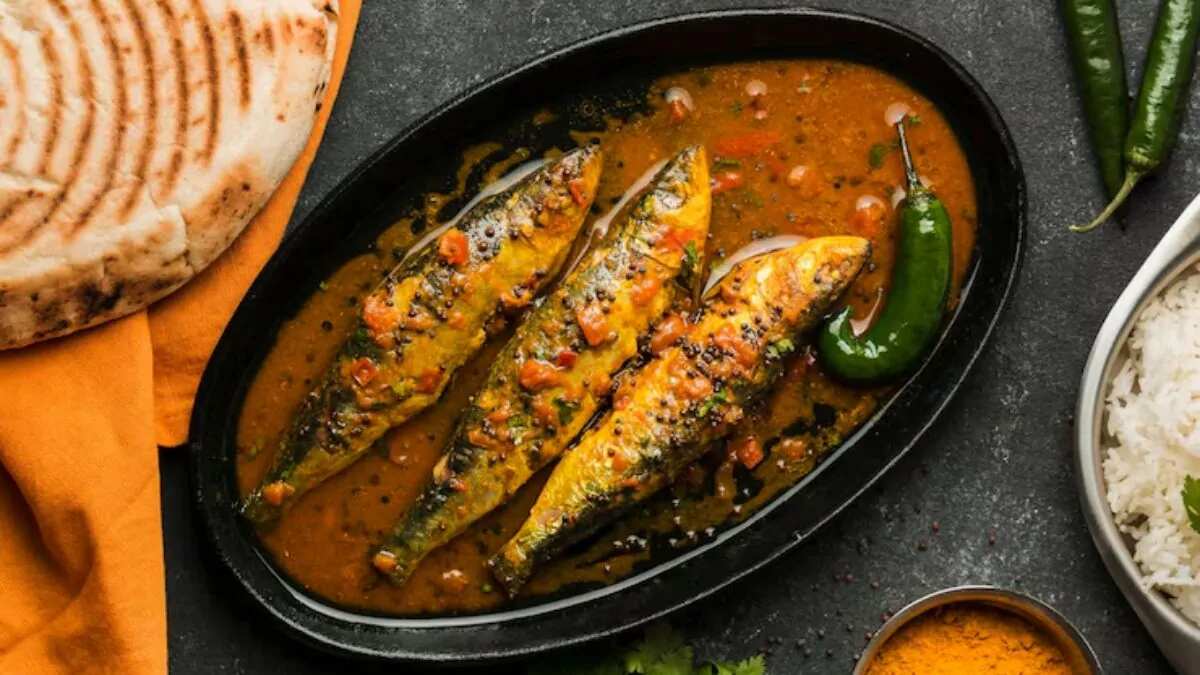
Hilsa is one of the few fish varieties in India that has inspired festivals, family traditions and endless regional recipes. Often deemed the "King of Fish", it has a special place in the culinary legacy of Bengal, Odisha and Assam, where its arrival is eagerly looked forward to.
Buttery and naturally flavourful, hilsa has stayed a seasonal delicacy for generations. From mustard-rich preparations to cooking it in banana leaf, every region has its own way of celebrating hilsa.
Beyond its rich taste, hilsa has stories of rivers, seasonal fishing and cultural uniqueness. Its soft flesh and unique fragrance have inspired many traditional recipes. Whether you are buying hilsa for the first time or want to cook with it, understanding the fish, its seasonality and cooking methods can make all the difference.
When Is Hilsa In Season?
The best hilsa comes during the monsoon, generally between July and September, when the fish migrates upstream to breed. This is when it creates its richness and flavour, for which it is loved. Outside the season, frozen varieties are available, but many fish lovers believe the fresh monsoon hilsa delivers the finest taste and texture.
With a growing market and changing ecosystem of the river, sustainable fishing has evolved as increasingly important. Choosing fish sourced during permitted fishing seasons helps both traditional fishing communities and long-term conservation measures.
Why Hilsa Holds A Special Place In Indian Food Culture
Hilsa is deeply incorporated into Bengali customs, where it represents prosperity and festivity. During festivals such as Jamai Shashti and Poila Boishakh, serving hilsa is regarded as auspicious. Families also exchange the fish as a gesture of happiness and good fortune during weddings and auspicious festivities.
The rich fat content of the fish needs minimal seasoning, letting region-specific staple spices such as mustard, green chillies and turmeric provide flavour. As hilsa is naturally oily, every preparation emphasises enhancing its inherent taste profile rather than overpowering it.
Classic Hilsa Recipes That Are Worth Trying
Shorshe Ilish, Bengal
The most iconic hilsa cooking variety, Shorshe Ilish, has fish cooked in a mustard paste with green chillies and also mustard oil. The bold mustard taste perfectly complements the delicate texture of the fish. It is traditionally served with steamed rice and is a must-have in every Bengali festive meal.
(Image credit: Freepik)
Hilsa Paturi, Bengal
In this Bengali dish, hilsa is covered with mustard paste, coconut and green chillies, then wrapped in banana leaves and cooked through steaming. The leaves lock in moisture, making a soft, fragrant and flavourful dish that tastes best when paired with hot rice.
Ilish Machha Besara, Odisha
In Odisha, hilsa is cooked in a mustard-based gravy that has garlic, tomatoes and a blend of regional spices. The curry is much lighter than the Bengali versions, having a tangy, a bit spicy taste that pairs flawlessly with steamed rice.
Bhapa Ilish, Bengal
Unlike hilsa paturi, where the fish is covered in banana leaves and then steamed, bhapa ilish is directly cooked in a covered vessel after coating it with a smooth paste that is made of mustard, yoghurt and green chillies.
The yoghurt gives a creamy consistency, while steaming makes the flesh soft and moist, which melts in the mouth as you take a bite. The bold mustard flavour takes centre stage here, making it one of the most loved hilsa preparations of Bengal.
(Image credit: Freepik)
How To Choose Fresh Hilsa
Buying good-quality hilsa starts with observation. If you have ever shopped for fish, you would know that fresh fish have bright, clear eyes, lustrous silver scales and tight flesh that bounces back when pressed lightly. The gills should appear red and not dull brown. The fish should smell clean and fresh rather than being too fishy.
Since hilsa has multiple fine bones, experienced fishmongers generally slice it into cross-sectional steaks that make cooking later on much easier while keeping the flesh fresh. Washing the fish gently without too much handling also helps maintain its natural oils and taste.