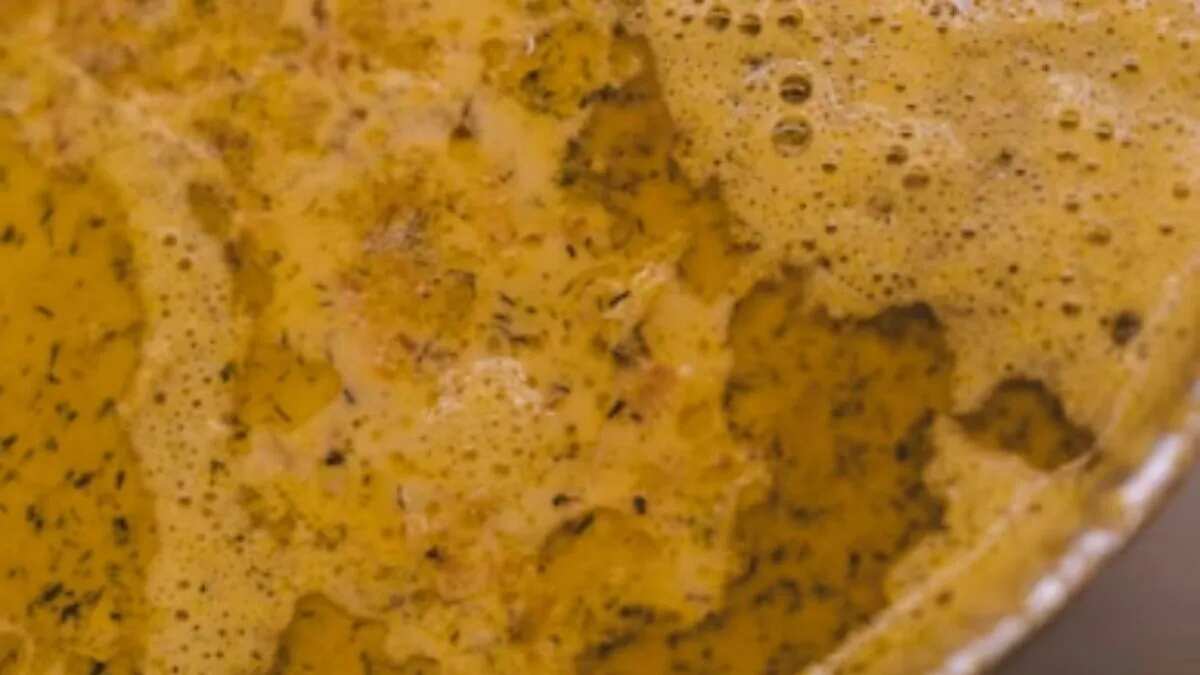
When it comes to snacks and dips, once again, Bengalis are ahead in the game. If you know, this is about a yellow, salty and tangy dip that most Bengalis cannot do without. They need it with the fish fry, fish chop, kabiraji, cutlet and sometimes even with the meals they have for lunch and dinner. The dip or sauce is called ‘kasundi’. But did you know that it isn't a dip or a sauce? Kasundi is actually a pickle! In fact, it was once heralded as the Bengali ‘Queen of Pickles’ given the amount of effort and precision that goes into making it. But at the end of the day, it’s also worth it, because kasundi, if made right, can be stored for up to 20 years! Let’s start with what kasundi is.
A Sharp Taste Of History
Kasundi is a Bengali condiment that is made with a paste of mustard seeds, spices, dried mangoes, plums, and sometimes olives. Its strong taste often makes people call it the Indian wasabi, while its dipping consistency makes people liken it to ketchup. But the fact remains that kasundi is truly one of a kind. Kasundi is sold in bottles across most Bengali all-purpose stores, but such was not always the case. Setting pickles was always a serious affair in ancient, undivided Bengal, replete with strict procedures and complex rituals. It was also not meant to be served with every snack like it is now; it was meant to be used sparingly. To be served right next to the rice, paired with hot stir-fried greens. The condiment has also travelled to other parts of the world, with many International chefs pairing it with exquisite foods like sea bass and scotch eggs.
Image Credit: Pexels
Traditionally, kasundi was prepared and relished only by the Brahmin caste or the elites, since it required auspicious rituals. Later, respected families and even women were involved in the process of making it; however, widows, spinsters and menstruating women were barred from the process. Another bizarre legend says that people who were involved in the making of kasundi were also not allowed to taste any bitter or sour food. Families who were grieving for death of a loved one were not allowed to make kasundi for a year.
A Kasundi For Every Mood
With the advent of new cooking tools, it is easier to make kasundi at home as well. The fact that it is becoming commonplace in restaurants and eateries goes to show that the strict rituals are also gradually becoming a thing of the past. With that being said, did you know there are a variety of types of kasundi you can purchase or make at home? Read this list to know about it so that you can have spoonfuls of kasundi with every meal you have, any time of the day.
Aam Kasundi
A fermented mustard paste made with raw mangoes and chillies, which originated a century ago in pre-partition Bengal, is travelling far and wide. The Bengali condiment was devised as a way to make the most of the local produce and spices that were abundant in the region; the combination of these two ingredients resulted in a condiment that perfectly balanced the tartness of raw mangoes with the pungency of mustard seeds, creating a unique and flavorful relish. The mixture is then left to ferment for several days, allowing the flavours to meld and develop.
Tomato Kasundi
They can be created using fruits and vegetables and consumed fresh, or they can be processed in a hot water bath and bottled for extended storage. Fresh tomatoes are used in this tomato kasundi. Hot chillies, vinegar, sugar, and spices are the ingredients to enhance the flavour profiles. The kasundi should be refrigerated in an airtight container and consumed within two weeks if you wish to enjoy it fresh. Serve this relish with hot or cold roasted meats, vegetables, bread, crackers, cheese, as a sandwich spread, on a green salad, or with a meal of daal and fragrant, long-grained basmati rice.
Image Credit: Wikimedia Commons
Jhal Kasundi
You are going to love jhal kasundi, also known as spicy kasundi, if you enjoy wasabi. There are two types of mustard that everyone is familiar with. One is Dijon mustard, and the other is kasundi mustard. Kasundi is the stuff of legends. Never take someone's word for it, though. You must either make your own or source some of it. Strong, fragrant, and spicy; exactly the kind of substance that stimulates the senses. You can always ask the vendor if they have a spicier version when you purchase your typical kasundi. The ratio of the mustard and chilli actually provides the heat. Try using sauerkraut juice when preparing the pickle at home. Despite not being a conventional approach, it aids in accelerating the fermentation process. Simply add the same amount of water if you don't have the sauerkraut juice.
Image Credit: Wikimedia Commons
Gota Kasundi
‘Gota’ translates to ‘whole’ in Bengali. So it is basically a whole kasundi pickle. Fermented mustard seeds and spices are used to make authentic kasundi. In particular, the ‘gota’ version contains a lengthy list of powdered dried fruits and spices, including dried mangoes and kul. You can find pre-made kasundi in many stores, especially those specialising in Indian foods. In addition to kul and dry spices, they used powdered and preserved dried mangoes to add flavour to cooked vegetables or saags.
The best way to make kasundi at home is in an earthenware pot. The clay pot, which also absorbs more moisture, gives the kasundi a beautiful texture. This homemade kasundi can be stored in an airtight bottle. And if you're buying a bottle of kasundi, keep your plates ready because every day with your hunger craving, you will want a spoonful of kasundi.