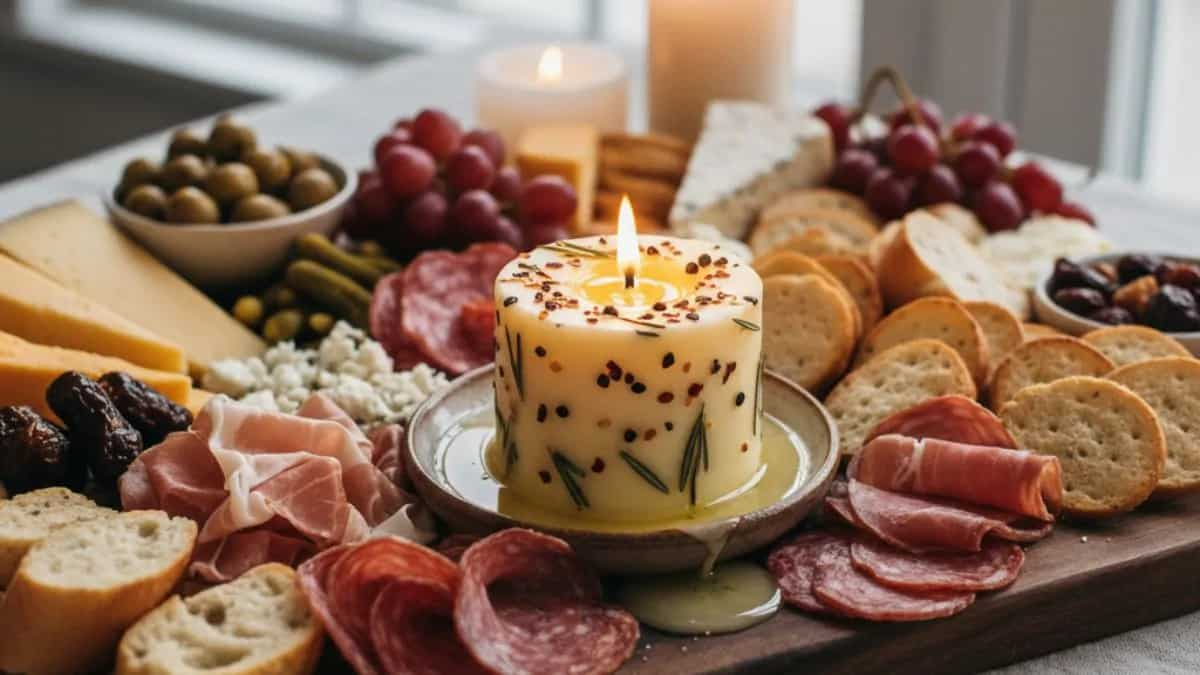
The rise of the butter candle has transformed the way we perceive the humble bread course, elevating it from a side dish to a theatrical event. For the home chef, this project offers a unique opportunity to showcase culinary creativity and presentation skills without the need for overly complex equipment. At its heart, the butter candle is an edible sculpture that relies on the physics of heat to deliver seasoned fats at the perfect temperature. By using a food-grade wick, you create a heat source that gently liquefies the butter, releasing the fragrance of embedded herbs and spices as the flame flickers. This interactive element encourages guests to gather around the table, breaking bread and sharing in a communal experience that is both visually stunning and deeply satisfying. Whether you are hosting an intimate dinner or a festive gathering, mastering the art of the edible candle will undoubtedly distinguish your repertoire.
Image credit: Meta
Essential Ingredients And Equipment
To create one standard-sized butter candle (suitable for 4 to 6 guests), you will need the following specific measurements:
• 250 grams of high-quality unsalted or slightly salted butter (preferably European style with 82% fat content).
• 1 teaspoon of flaky sea salt (adjust if using salted butter).
• 2 tablespoons of finely minced aromatics (such as roasted garlic, rosemary, or lemon zest).
• 1 food-safe organic wick (hemp or beeswax-coated cotton), approximately 10 to 12 centimetres long.
• 1 small paper cup (approx. 200ml) or a silicone cylindrical mold.
• 1 clothespin or skewer to hold the wick in place during setting.
The Step-by-Step Preparation Process
- The first step is to bring your butter to a soft, pliable consistency at room temperature, which usually takes about an hour depending on the warmth of your kitchen. Do not melt it in the microwave, as this will cause the milk solids to separate and ruin the structural integrity of the candle.
- Once soft, place the butter in a bowl and beat it with a wooden spoon or a whisk until it is smooth and aerated. Gently fold in your chosen seasonings, ensuring they are evenly distributed throughout the mass.
- Next, prepare your wick by cutting a length that is two centimetres taller than your mold. Secure the base of the wick to the bottom of the container using a tiny dab of softened butter, then hold the top of the wick steady with a clothespin or a pair of skewers balanced across the rim.
- Carefully pack the seasoned butter into the container, pressing down firmly with the back of a spoon to eliminate any air bubbles that could cause the candle to collapse or the flame to sputter.
- Smooth the top and place the molds in the refrigerator for at least three to four hours, or until the butter is completely firm to the touch.
Image credit: Meta
Final Assembly And Presentation
When you are ready to serve, remove the candles from the refrigerator and allow them to sit at room temperature for ten minutes. If you used paper cups, carefully snip the rim and peel the paper away in a spiral motion to reveal the smooth surface of the butter. Place the candle in the centre of a wide, shallow ceramic dish or a slate board, which will serve as the reservoir for the melting liquid. Trim the wick to approximately one centimetre to ensure a controlled flame that does not smoke. Surround the base of the candle with an array of accompaniments such as warm sourdough wedges, crunchy breadsticks, or roasted baby carrots. Light the wick about five to ten minutes before your guests sit down; this allows enough time for a small pool of liquid gold to accumulate at the base. As the candle burns, the heat will intensify the aroma of the herbs, creating a multi-sensory experience that is as fragrant as it is delicious.
Image credit: Meta
Elevating The Flavour Profile
While a plain salted butter candle is elegant, the real magic happens when you experiment with complex flavour infusions that suit the specific theme of your meal. For a Mediterranean inspired evening, consider folding in sun dried tomato pesto, chopped kalamata olives, and a hint of dried oregano. If you are serving a more rustic British feast, a combination of sage, caramelised onions, and a touch of sea salt flakes works beautifully. It is important to ensure all solid ingredients are chopped extremely fine so they do not obstruct the even melting of the fat. You can also create a sweet version using cinnamon, honey, and a pinch of nutmeg, which transforms the candle into a whimsical accompaniment for warm brioche or toasted crumpets. The visual appeal can be further enhanced by pressing edible flower petals or microgreens onto the surface of the hardened butter before serving, making the candle a true work of edible art.
Image credit: Meta
Perfect Pairings And Serving Etiquette
The success of a butter candle depends heavily on the quality of the items provided for dipping, as the bread must be sturdy enough to hold the melted liquid without crumbling. A crusty sourdough baguette, warm focaccia with rosemary, or dense rye bread are all excellent choices that provide a textural contrast to the silky butter. Beyond bread, consider serving the candle alongside warm, bite-sized pieces of naan, fluffy pav, or even crisp mini parathas. For a gluten-free option, roasted papads or khakhra provide a wonderful crunch that contrasts with the silkiness of the melted butter. When hosting, it is wise to provide small individual butter knives or spoons so guests can easily guide the melted pool onto their plates without crowding the flame. Always place the candle in a draft free area to prevent uneven melting or flickering, and remind your guests to wait a few minutes after lighting for a sufficient pool of butter to form. This interactive element not only serves as a conversation starter but also slows down the pace of the meal, encouraging guests to linger over their food and enjoy the warm ambient glow of their appetiser.