Indian kitchens are full of ingredients that are drawn from nature, and flowers hold a special place among them. They have long been part of both festive and daily cooking, often chosen for their seasonal availability. Roses appear in Mughlai cooking, banana blossoms are used in coastal and eastern regions, moringa flowers feature in south Indian kitchens, pumpkin flowers are popular in the east, and hibiscus is cooked in several regional cuisines. Each flower requires a particular method of cleaning and preparation, which is why recipes often differ from one community to another. Cooking with flowers is not a modern trend but an old practice that remains alive in many Indian households.
Rose Petals In Curries And Sweets
Rose petals have been valued in north Indian cooking for generations. They appear in rich Mughlai dishes where their natural fragrance balances spices such as cardamom and cloves. Fresh petals are often ground into pastes or slow-cooked into gravies, especially in meat curries, to add depth of flavour. Rose petals also form the base of gulkand, which is made by mixing petals with sugar and leaving them to mature under the sun. This preparation is not only used in sweets like paan and halwa but is also eaten on its own for its cooling properties. Roses continue to be harvested in parts of Rajasthan and Uttar Pradesh, where they are dried and sold for use in kitchens throughout the year. The petals need careful washing and trimming before cooking to ensure they retain their colour and taste.
Banana Blossom Cutlets And Curries
Banana blossoms are a staple in Bengali, Odia, and coastal cuisines. They are layered and tightly packed, which means each layer has to be separated and soaked in water with turmeric or buttermilk to remove bitterness. In Bengal, banana blossoms are chopped finely and cooked with grated coconut, chickpea flour, and spices to make cutlets that are shallow-fried and served as snacks. They are also added to curries with potatoes and spices, giving the dish a distinct earthy taste. In Kerala and Tamil Nadu, banana blossoms are stir-fried with coconut and curry leaves, often served with rice and sambhar. Their texture makes them suitable for both vegetarian and vegan meals, as they provide a hearty bite similar to vegetables like jackfruit. Because banana plants are grown widely across India, the blossoms remain accessible and are often harvested from backyards in rural households.
Moringa Flowers In South Indian Kitchens
Moringa flowers, collected from the drumstick tree, are small white blossoms with a slightly bitter taste. They are rich in nutrients and often included in traditional diets for their health benefits. In Tamil Nadu, they are stir-fried with onions, chillies, and grated coconut to create a dry side dish. In Andhra Pradesh, moringa flowers are added to lentil stews, enhancing both taste and nutrition. Careful cleaning is essential, as the flowers may contain tiny insects, and most households soak them in water before cooking. These flowers are also dried and powdered in some regions, where they are mixed with rasam powders or added to chutneys. The drumstick tree is common in south Indian gardens, which makes the flowers easily available for seasonal cooking.
Pumpkin Flowers As Fritters And Bhajis
Pumpkin flowers are bright yellow and tender, and they are often used in eastern states such as West Bengal and Odisha. The flowers are dipped in a batter of rice flour or gram flour and fried to make fritters, which are served as accompaniments to rice and dal. They are also used in mixed vegetable dishes like chorchori, where several vegetables are cooked together with mustard paste. Pumpkin flowers must be cleaned carefully to remove the inner stalk before cooking, as this improves the taste and texture. Farmers who grow pumpkins in small fields usually gather the flowers for home cooking, which ensures nothing from the plant goes to waste. Their mild flavour makes them suitable for simple preparations that highlight the freshness of the ingredient.
Hibiscus In Regional Cooking
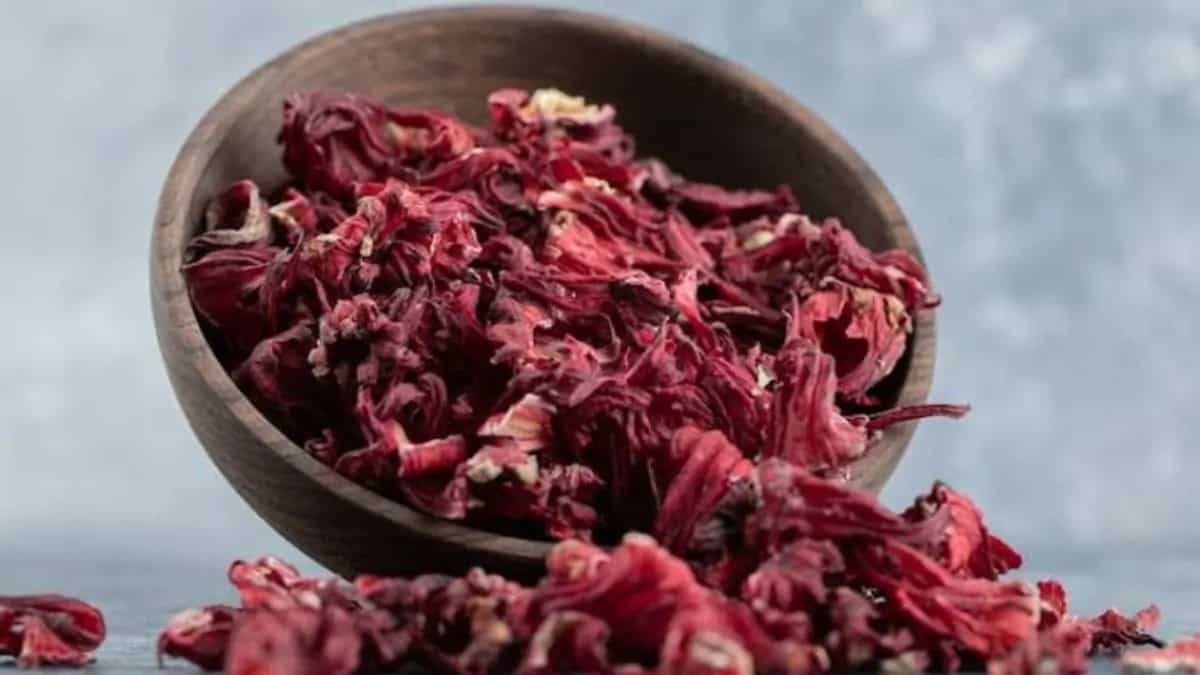
Hibiscus flowers are recognised not only for their medicinal use but also for their place in regional cooking. In parts of Maharashtra and Karnataka, hibiscus flowers are ground into chutneys with coconut, chillies, and tamarind. In Odisha, they are cooked into curries along with potatoes or lentils, giving the dish a slight tang and vibrant colour. Hibiscus leaves are also used in cooking, but the flowers remain a seasonal delicacy. They must be used fresh because dried hibiscus has a very different flavour profile, often more suited to teas than to Indian curries. In rural households, hibiscus flowers are often picked directly from home gardens, which makes them a part of everyday meals rather than special occasions.