A cocktail can be made perfectly, be it shaken, stirred, or strained over ice, and still feel as though something is missing. It is that final curl of orange peel, sprig of mint, or glistening brandy-soaked cherry. These tiny finishing touches are what commonly turn a well-made drink into a memorable sip. But garnishing is not merely about making a glass appear more photogenic. The right finishing touch can release aroma, introduce flavour, provide texture, and even become part of the cocktail's core identity. The garnish is where the drink makes its final and ultimate impression.
The Martini has its olive, the Manhattan its cherry, and the Old Fashioned its familiar orange twist. These pairings have endured time and wars because a garnish can become inseparable from the character of a drink when matched well. There is also a practical reason to pay attention to what sits on your cocktail’s rim. As you lift the glass, the garnish is often the first thing your nose encounters. Depending on the garnish, citrus peel releases fragrant oils, herbs bring a fresh botanical note, while a salty rim can alter the taste of every sip. The most successful garnish does not compete with the drink; instead, it introduces a detail that makes the drink's existing flavours more expressive and nuanced.
Give Spirit-Forward Drinks A Citrus Twist
An orange twist is the garnish signature of an Old Fashioned cocktail. Its bright, fragrant oils offer a lively contrast to the drink’s whisky, bitters and sugar, while the former’s slight bitterness can add a subtle edge. For a Negroni cocktail, orange is equally fitting, complementing the drink's bitter, herbal and citrusy notes.
If you wish to make a twist, then use a Y-peeler or sharp knife to cut a strip of coloured citrus skin, ensuring the white pith portion is minimal. Hold the peel over the drink with the coloured side facing down and gently squeeze it to release its oils across the surface. Then run the peel around the rim, and place it in the glass or drape it over the edge. The technique is simple, but the subtle, fresh aroma is what makes the entire process worthwhile.
Image credit: Pexels
Use Herbs To Bring Freshness To Tall, Chilled Drinks
Fresh herbs are very effective in drinks that are built around freshness. For example, a generous sprig of mint naturally belongs as a garnish for a Mojito or Mint Julep cocktail, where the former’s cool, aromatic character reinforces the drink's refreshing nature. Basil can work beautifully with strawberry, cucumber or gin, while rosemary properly suits drinks with citrus, apple or a savoury botanical profile. But do not simply thrust a tired sprig into your drink. Gently slap or bruise the mint between your palms before placing it near the rim. This helps release its aromatic oils without shredding the leaves per se. A healthy, upright herb bouquet also creates a pleasing first impression and makes the drink smell fresher even before the first sip.
Make The Rim Part Of The Drinking Experience
A rim is not just a decorative border. Salt, sugar, and spice can become part of your drink by touching your lips even before the liquid hits your taste buds. A salted rim is a classic companion to a Margarita cocktail, where the saline hit is needed to complement the sharp lime and tequila foundation. While a chilli-salt rim can bring a more assertive finish to a mango- or pineapple-based cocktail, and a cinnamon sugar rim suits creamy or dessert-inspired drinks.
For a clean finish, moisten only the outside edge of your glass with a lime wedge rather than soaking the entire rim. Then dip it into a shallow plate of your chosen seasoning and tap away the excess. A half-rim is often more practical than a fully coated one because it lets the drinker choose between a seasoned sip and an unseasoned one.
Let Fruit Add Colour, Texture And A Little Sweetness
Fruit garnishes are at their best when they echo something that is already present in the drink. For instance, a pineapple wedge makes sense on a tropical rum cocktail, where its juicy sweetness and bright appearance will reinforce the drink’s fruit-led character. Similarly, fresh or good-quality cocktail cherries are a natural finishing touch for a Manhattan cocktail, adding a small, sweet, and fruity accent to a spirit-forward drink.
Image credit: Pexels
Once you get the formula right, the variations and options are endless. Berries can be skewered over a gin and berry cocktail, while a thin apple slice can lend an attractive, crisp note to an autumnal whisky or cider-based concoction. The important detail is freshness and seasonality: bruised fruit, oxidised apple, or a dried-out cherry can make a carefully prepared drink feel neglected and risk underappreciation. So cut fruit shortly before serving whenever possible.
Bring In Smoke, Spice And Fragrance
Some of the most memorable garnishes are not elaborate at all. Such as a light grating of nutmeg over a creamy cocktail or warm punch can evoke a sweet, woody aroma that suits those rich, spiced flavours. Or a cinnamon stick that can add fragrance to an apple, rum, or winter-inspired drink, while a lightly expressed grapefruit peel can sharpen the profile of a bitter or botanical cocktail.
For a dramatic finish, a briefly toasted cinnamon stick or rosemary sprig can introduce a smoky aroma, but restraint matters here. The garnish should not drown out delicate ingredients or turn the drink into a cloud of burnt fragrance. Use smoke as an accent, not as the entire performance. Also, freshly grated spices are most useful because their aroma is most noticeable when released directly over the glass.
Give Creamy Cocktails A Textural Finish
Creamy and dessert-style cocktails require a different approach. A few coffee beans on an Espresso Martini provide a familiar visual cue, while finely grated chocolate can work wonders for a chocolate martini or a rich, coffee-based drink. And a dusting of nutmeg always works well with egg-based cocktails and creamy, warmly spiced serves. These garnishes are most effective when they reinforce the drink's central flavour rather than introduce a distracting contrast. A small amount of grated spice or chocolate is usually enough, as an overloaded surface can make the drink hard to sip and obscure its carefully made texture.
Try A Savoury Garnish When The Drink Calls For It
Savoury garnishes can change the entire direction of a cocktail and make you brighten up and take notice. For example, a briny olive is a classic partner for a Dirty Martini cocktail, where its salty character levels up the drink's overall profile. Similarly, a pickled onion gives a Gibson its unmistakable identity, while celery, lemon, and other savoury accents are friendly and known companions to a Bloody Mary. However, these garnishes are not interchangeable decorations. Their respective brine, acidity, saltiness, or savoury notes can impact the drink itself, especially when the garnish is eaten or nibbled on between sips. So, choose options that make sense with the cocktail's ingredients and keep the portion manageable.
Image credit: Pexels
Use Edible Flowers And Decorative Details With Care
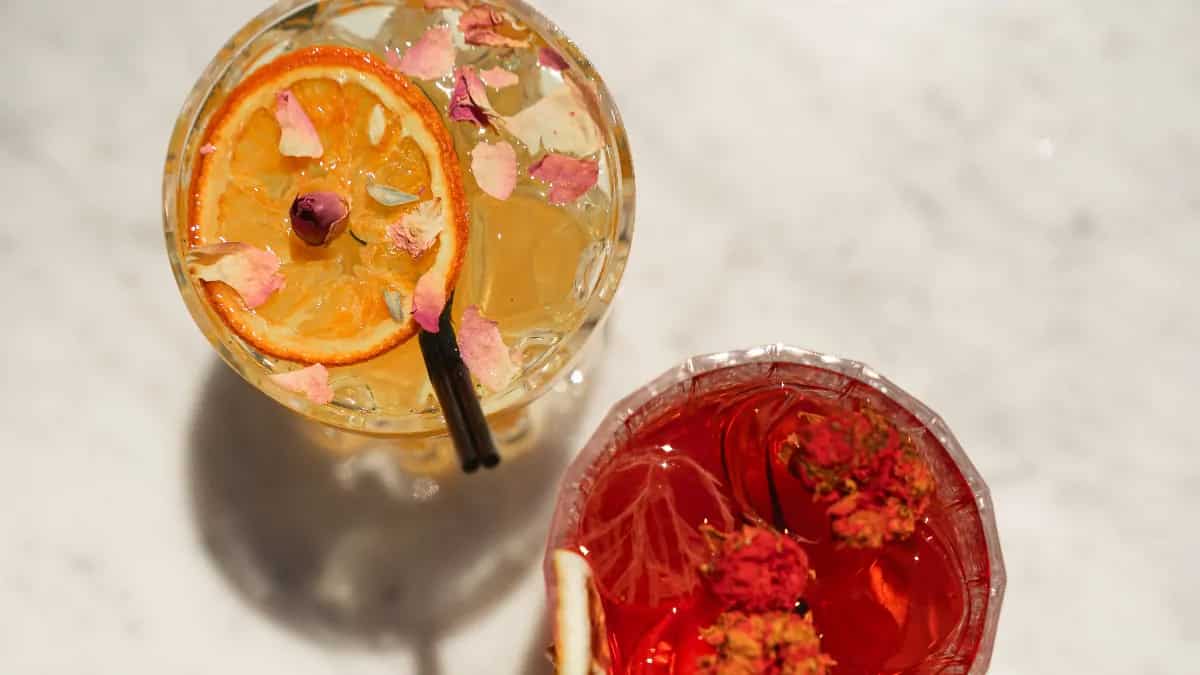
Edible flowers can make a cocktail look truly spectacular, especially when the drink is intended for a celebration. Violets, hibiscus, and other food-safe flowers can add a lot of vibrancy along with a delicate fragrance, depending on the variety. They are particularly well-suited to floral gin cocktails, sparkling serves, and drinks with berry or citrus notes. The word edible is crucial here. So use flowers that are specifically identified as safe for consumption and sourced for culinary use only. Ordinary florist flowers may have been treated with unsuitable chemicals. And finally, keep the garnish small and make sure it does not obstruct your glass’ rim or fall apart into the drink.