The moment December arrives in Vasai, something shifts in the air. In the predominantly Catholic gaothans - East Indian villages- of this historic region, Christmas unfolds with a rhythm entirely its own. Here, the festive season isn't just celebrated; it's lived, breathed, and preserved with a fierce pride that speaks to generations of tradition.
A Village Transformed
Vasai becomes a different world during the Christmas season. Unlike the commercial rush that characterises the holiday elsewhere, here the holy season maintains a leisurely, authentic pace. The East Indian Catholic community has held onto customs and flavours that rarely travel beyond what was once called Bassein, creating an experience that feels both timeless and deeply rooted.
"Vasai is predominantly Catholic gaothans, East Indian villages, and everywhere there is a crib making competition," explains Chef Freny Fernandes, whose own memories of Christmas in the region paint a vivid picture of community spirit. The friendly rivalry amongst neighbours over who has the best decorations and cribs adds an element of joyful competition to the season.
The Spirit Of Community
What makes Christmas in Vasai particularly special is how it brings people together. From the first days of December, homes are draped in lights, transforming entire neighbourhoods into glowing celebrations. The tradition of crib hopping sees residents donning festive reindeer ears, Santa hats, and all, as they move in cheerful groups from home to home, admiring each family's nativity scene.
"At night we'd go look at the cribs," Chef Freny recalls, capturing the simple pleasure of these evening strolls that connect neighbours and strengthen community bonds.
Perhaps most distinctive is the carolling tradition. Unlike other parts of Mumbai where carols are sung in English or Marathi, Vasai's carollers preserve their heritage by singing in the East Indian tongue - an emotional experience that keeps their dialect alive across generations.
The Feast That Defines Christmas
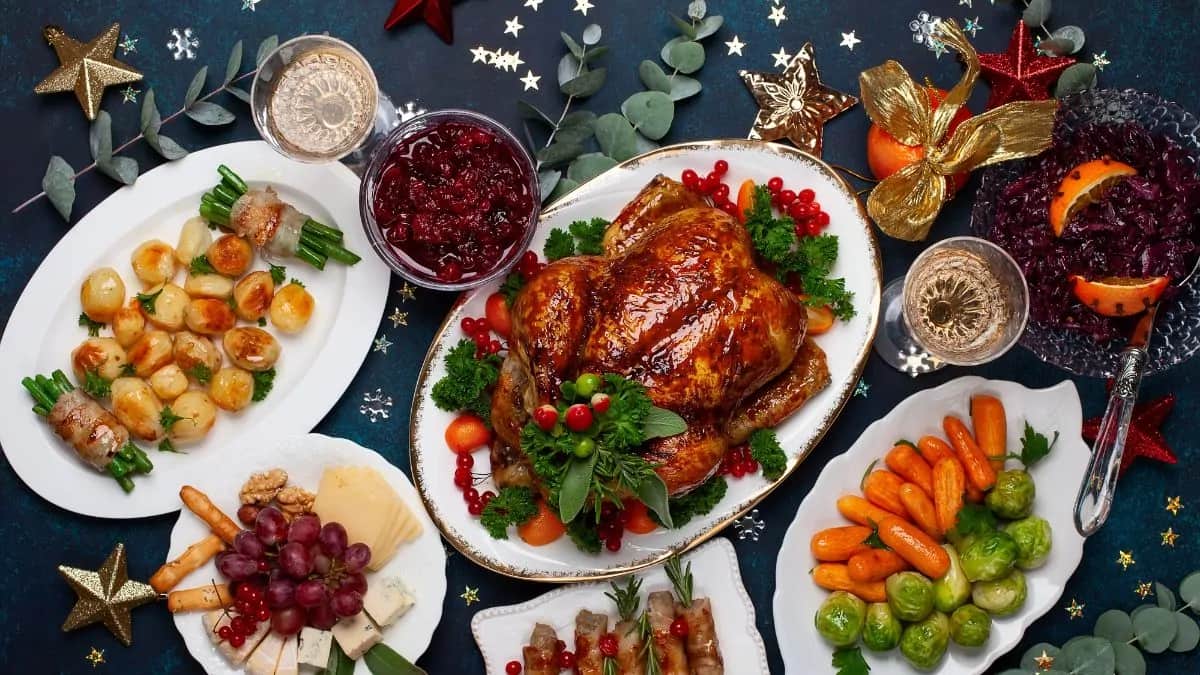
If community defines the spirit of an East Indian Christmas, then the food defines its soul. The festive table in Vasai reflects the community's coastal location and Catholic heritage, featuring dishes that rarely appear elsewhere in Mumbai.
"On Christmas, roast chicken is a must, East Indian style, stuffed with liver, gizzard, crouton, peas, bottle masala rub and butter," says Chef Freny. This isn't your standard roast—the preparation method is distinctly East Indian, with flavours built from the community's signature spice blends.
The menu extends far beyond chicken. "Fugias, pork indyal—some do suckling pig, beef tongue roast," she lists, each dish representing hours of preparation and generations of perfected recipes. Fugias, the slightly sweet, deep-fried balloon bread, serves as the perfect accompaniment to rich, spicy gravies.
Sweet Traditions
No East Indian Christmas is complete without an impressive array of sweets. "It's all about the sweets: fruit cream, guava cheese, coconut rava cake made on the stove," Chef Freny explains. These aren't shop-bought confections but lovingly prepared treats, many requiring techniques passed down through families.
Then there's the drink that adds warmth to the celebrations. "Wine similar to mulled wine, infused with spices. Grandma would make it in an open pot," she remembers, evoking images of kitchens filled with aromatic steam and the hands of matriarchs who knew exactly which spices would create that perfect festive flavour.
What Makes It East Indian
The East Indian culinary tradition stands apart from even neighbouring Catholic communities. Chef Freny points out the distinctions: "The difference is in terms of the food. Vindaloo or sorpotel, less coconut because it's less available, sugarcane vinegar. Where Goan recipes tend to favour wet masalas, East Indian dishes rely on the dry bottle masala."
There's also the Maharashtrian influence, visible in sweets like nevri, adapted from the Maharashtrian karanji. These cross-cultural exchanges reflect Vasai's unique position, where East Indian, Goan, Portuguese, and Maharashtrian influences have blended over the centuries.
Even within Vasai itself, traditions vary from village to village. "My dad and mum are both from different parts of Vasai. Food, dialect, spices, all different. Proportions are different - x amount of chillies, garam masala, etc," Chef Freny notes, highlighting how localised these traditions remain.
Preserving The Spirit
Yet there's a sense amongst the community that something precious needs protecting. "The East Indians, Goans, are trying to bring back the old school Christmas spirit. It's become too commercialised," Chef Freny observes. In Vasai, efforts continue to maintain the authentic character of the celebration, the parish organises local events to bring children together, special shows during Christmas, and community gatherings that remind everyone what the season means.
"Next to the church, there's a lake, and a light show happens on the lake. Kopari Mohatsav- they all have their own celebration where they showcase their food," she describes, painting a picture of a community actively working to keep traditions alive for the next generation.
The Midnight Mass Moment
For many East Indian families, the pinnacle of Christmas Eve remains midnight mass. "For us the most important thing is going. For midnight mass, mum would have a roast chicken ready," Chef Freny shares. There's something about returning home after mass to a table laden with food prepared with love—the roast chicken waiting, the house filled with the aroma of spices and baking.
This rhythm of worship followed by feast, of spiritual reflection paired with communal celebration, captures the essence of an East Indian Christmas. It's not merely about the rituals or the recipes in isolation, but about how they weave together to create something meaningful, a celebration that honours faith, family, and heritage in equal measure.
A Christmas Worth Seeking
As Christmas in many places becomes increasingly standardised, Vasai stands as a reminder that authentic celebration requires roots. The East Indian community's determination to preserve its unique traditions offers something rare: a Christmas that still feels personal, connected to place and people in ways that commerce cannot replicate.
For those willing to venture beyond Mumbai's familiar territories, Vasai during Christmas offers a glimpse into a world where the holiday season remains deeply, beautifully itself - where every dish tells a story, every carol carries history, and every gathering reinforces the bonds that make a community more than just neighbours sharing space.
In Vasai, Christmas isn't performed; it's lived. And perhaps that's the tradition most worth preserving of all.