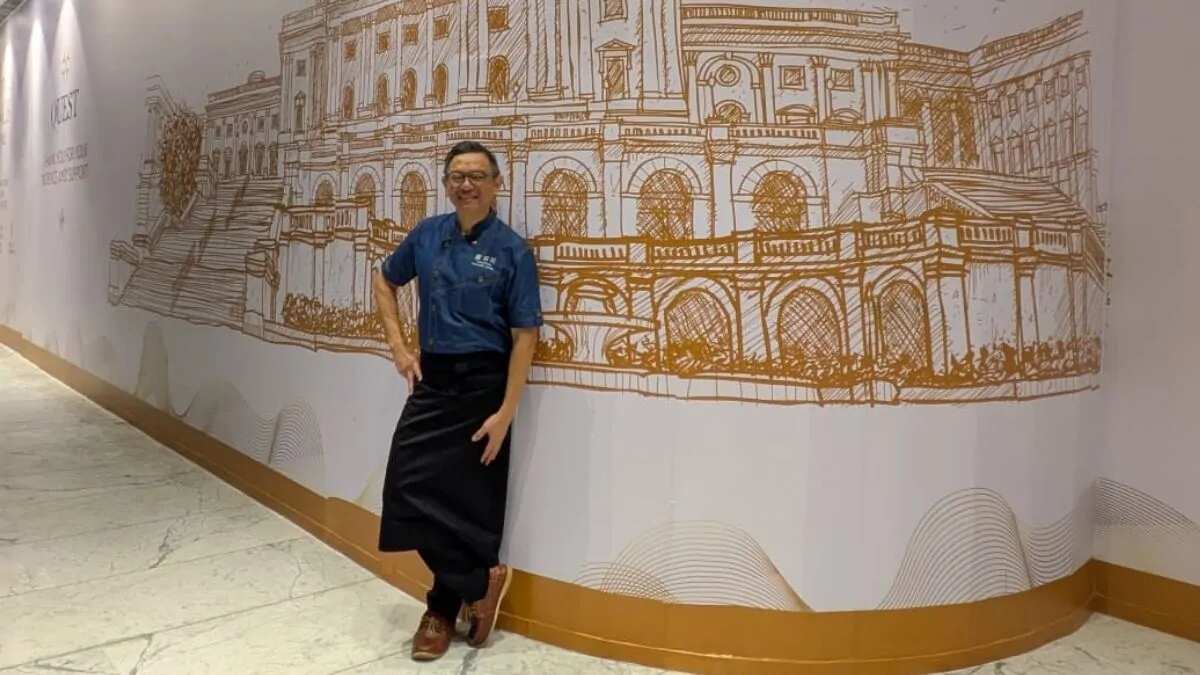
How fascinating it sounds to have a secret menu where you are allowed to explore the whole menu with no prior notion! This is why the ‘secret menu’ by Chef Raymond Wong left its mark on every food lover’s soul. Chef Raymond introduced an exclusive culinary experience at Yauatcha Kolkata, where guests were invited to explore a menu built around nostalgia, regional flavours and refined Cantonese craftsmanship. Rooted as a part of his childhood memories and street-food discoveries, the secret menu revealed the chef’s connection with food through every carefully prepared course.
Image Credit: Saborni Saha
The menu was a journey of discovery, inspired by the chef’s own memories, childhood flavours and his years of culinary expertise. During his conversation with Slurrp, Chef Raymond also revealed the inspiration behind the specially curated menu, talking about how his experiences with familiar street foods, regional ingredients, and traditional techniques have made his menu more sophisticated.
The menu also welcomed elements of street-food culture, including disposable chopsticks along with traditional soup cups, which maintained a deep connection between familiar everyday experiences and refined restaurant dining. Following his experience of more than three decades in the world’s culinary destinations, this approach encapsulated tradition, technique and personal storytelling.
Chef Raymond Wong Tells The Stories, Techniques, And Memories Behind The Secret Menu
Image Credit: Saborni Saha
Slurrp got a chance to have a word with Chef Raymond Wong about his recipes, inspirations and the thought process behind curating dishes for Yauatcha Kolkata's exclusive secret menu. This conversation revealed how each dish was meticulously put together with intent, where flavours, textures and memories came together to create a whole dining experience.
Chef Raymond's menu creation involves storytelling. Each dish is a blend of traditional Cantonese techniques and his personal experiences from his culinary journey..
“The opening set breaks convention through sharp contrasts in temperature, texture and visual presentation, creating anticipation. The chilled, crisp Vietnamese prawn rolls offer a vibrant, refreshing start, followed by the warm, silky crab chawanmushi for a comforting rich contrast. The bright fruit and vegetable skewers serve as a palate cleanser, refreshing the senses for the main courses ahead. Combining different presentations piques curiosity and sets the tone for a secret menu,” the chef mentioned.
Image Credit: Saborni Saha
The chilled Vietnamese prawn rolls were a lively start, and the warm, delicate chawanmushi added richness to the dish. The fruit and vegetable skewers were a refreshing interlude, a palate cleanser for the feast to come.
The chef's way of keeping things authentic and catering to the tastes of a wide range of diners was the Sui Kao soup. The preparation was true to the spirit of traditional Cantonese dumpling-making, and the vegetarian version of pak choy and shimeji mushrooms provided a lighter alternative without sacrificing flavour.
Image Credit: Saborni Saha
The mains brought stronger flavours and highlighted Chef Raymond’s connection with street food and home-style cooking. The pork belly with tofu, egg, king chilli and roasted peanuts was an echo of the influence of Lou Shui Pork, a traditional braised preparation that appears in Chinese households and in Southeast Asian food cultures. Slow-cooking techniques developed the tenderness of the pork, and the accompanying ingredients brought layers of spice, texture, and familiarity.
Chef’s forte in using Cantonese techniques with local ingredients was shown in steamed prawn and Indian seabass with pickle chilli black bean sauce. The dish kept it light, highlighting the natural sweetness of fresh seafood, while glass noodles absorbed the essence of the seafood as it steamed. The added pickled red chillies brought out a mild sweet and sour taste in the overall preparation.
The vegetarian dishes, such as aubergine, zucchini, tofu with roasted peanuts and steamed stuffed luffa with yam bean, exemplified the versatility of Cantonese cuisine. These dishes showed how vegetables could be the star of the show with careful preparation, balanced seasoning, and traditional cooking methods.
Image Credit: Saborni Saha
The wok-tossed broccoli with butter garlic sauce and toasted almond flakes gave a crispy and aromatic touch to the menu while the Hong Kong-style wok-fried noodles brought the savoury courses together with familiar Cantonese comfort flavours.
The meal concluded with Chef Raymond Wong’s custard corn bao paired with crispy ice cream, a dessert inspired by his childhood memories. Combining a soft, delicate bao with the coconutty texture of crisp ice cream, this felt like a nostalgic treat brought into the shape of a refined contemporary dessert, preserving emotions through food.
Image Credit: Saborni Saha
Slurrp: The Sui Kao soup represents both traditional Cantonese flavours and vegetarian adaptations. How do you maintain authenticity while creating dishes that appeal to diverse diners?
The key lies in honoring the core of Cantonese culinary techniques while thoughtfully adapting ingredients for universal appeal. Adding crisp wood ear mushrooms and jicama captures the signature "crunch" of traditional dumpling fillings within hand-wrapped dumplings. By retaining classic Nanyang-Cantonese taste profiles, the dish stays deeply rooted in tradition while effortlessly satisfying both vegetarian and traditional diners.
Slurrp: Your pork belly with tofu, egg, king chilli and roasted peanuts reflects your street-food memories. What inspired this dish, and how have you transformed those memories into a modern creation?
Braised superior soy pork belly (Lou Shui Pork) is a staple in Chinese households around the world. At home, there is no rigid formula for the ingredients, but the key is using items with structural integrity, whether poultry, offal or sturdy melon-type vegetables, so they remain whole after long, slow simmering. This dish also carries a rich street-food culture across Hong Kong, Taiwan, and Southeast Asia. No matter which corner of the region you visit, you will always find its familiar aroma and comforting presence.
Slurrp: The steamed prawn and Indian sea bass with pickle chilli black bean sauce blends Cantonese techniques with local flavours. How do you approach incorporating regional ingredients into your cuisine?
This dish is inspired purely by freshness. The fresh Indian sea bass and fresh sea prawns are so inherently sweet that they barely need any seasoning to shine. I simply set them on a bed of glass noodles to capture every drop of the rich seafood essence during steaming, then complement the dish with a black bean sauce for a truly exceptional pairing. The real secret, however, lies in the use of whole red chillies pickled in a sweet and sour brine. While they may look like a simple garnish, they hide a surprising depth of flavour that elevates the entire dish.
Image Credit: Saborni Saha
Slurrp: The custard corn bao with crispy ice cream is inspired by a childhood dessert. How do personal memories influence your creativity and menu development as a chef?
The most unforgettable moments in life are often the joyful memories of childhood, the toys you played with, the songs you sang, the clothes you wore and the people you admired. Even decades later, those images remain vivid in your mind. This dessert pairing is inspired directly by the happiest, most memorable treat of my youth. Back then, as a child, a simple sweet treat could bring endless joy for an entire day. By creating this dish, I wanted to recreate that simple happiness and share it with my guests.
Upon asking about how his culinary journey shaped his philosophy of combining tradition, innovation and storytelling through food, Chef Raymond stated, “My creative journey almost always begins with a story. To me, nothing brings greater joy than sharing. I weave these heartfelt stories and moments into every dish I create, so that when you taste my food, you aren't just eating a meal; you are sharing in a beautifully preserved memory that speaks directly to the heart.”