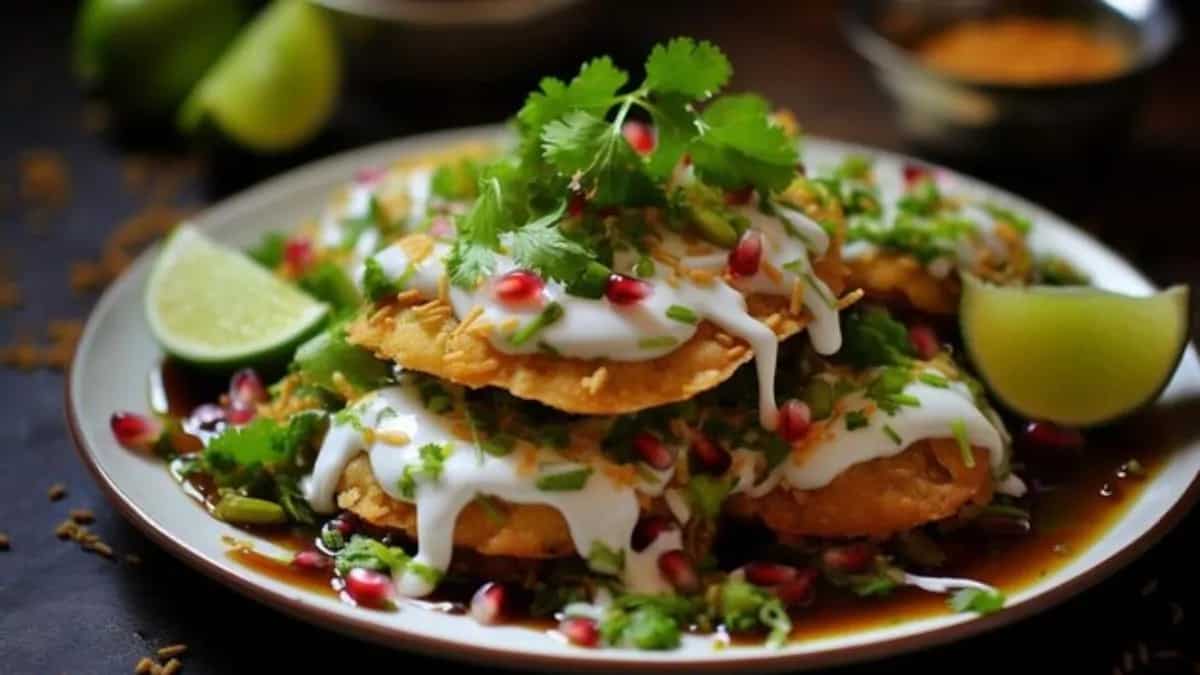
For many, fasting during Navratri means serving sabudana on the plate in different forms, such as khichdi, vadas, and kheer. This is repeated in a variety of ways on all nine days. While having sabudana feels comforting and also familiar, it can also begin to feel a bit predictable to the taste buds. And when you look beyond sabudana, you will find the fasting foods are shaped by regional ingredients, seasonal availability, and simple cooking methods.
From flours such as rajgira and kuttu that are vrat-friendly to ingredients like makhana, singhara, and sweet potato (shakarkandi), there lies a wide variety of options that keep the meals enjoyable without having to repeat the same thing every day. These foods are not just options, but they bring different textures, tastes, and a variety of foods to your Navratri food spread.
Fasting Foods To Try Instead Of Sabudana
If you are also looking to break the monotony and try something new this Navratri, these fast food varieties offer a fresh change while still keeping your vrat meals light, balanced, and also pleasant.
Rajgira Paratha
Rajgira paratha is a simple, comforting fasting meal option. This flour is soft and has a slightly earthy flavour. Unlike other heavy fasting foods, rajgira paratha does not feel too heavy on the stomach, making it suitable to have for both lunch and dinner. It keeps you filled and keeps the hunger away, and is also light enough not to slow you down. It is one of those dishes that mixes easily into everyday fasting meals during Navratri.
How To Make:
To make rajgira paratha, mash some boiled potatoes with some rajgira flour and a pinch of rock salt to make a soft but smooth dough out of it. Since the rajgira dough is very delicate to handle, it is usually patted by hand instead of using a rolling pin. Cook the paratha slowly on a warm tawa with a little ghee, evenly from both sides, until the golden spots appear. Pair it with a bowl of curd, vrat aloo sabzi or chutney for a wholesome meal.
(Image credit: Freepik)
Makhana Curry
It is not necessary that every curry has to be made using onion and garlic, and makhana curry exactly changes this whole idea. It has a gentle richness without being too heavy or oily, making it a perfect vrat meal option when you want something warm and enjoyable. The makahna curry can be enjoyed for lunch or dinner, particularly on days when a fasting day feels prolonged, and you look for something that feels like a proper meal rather than just a quick bite.
How To Make:
Begin by lightly roasting makhana in ghee until they turn crisp, so that they hold their shape later in the curry. In the same pan, make a light gravy using curd, cumin, and green chillies, cooking it on a low flame so it doesn’t split. Once the base turns smooth and lightly thickened, add the roasted makhanas and let the gravy simmer on a low flame for a short span. Makahna soaks up the flavours while being soft, making a curry that pairs well with vrat-friendly parthahas such as rajgira, sabudana or kuttu.
Kuttu Cheela
Kuttu cheela are perfect for mornings when you want to enjoy something warm but also not too heavy or complicated to make. It feels light on the stomach and has a slightly nutty undertone that does not overpower. As it is made like the regular cheelas and doesn’t require much preparation, it is also perfect for those who have busy routines and want something quick and filling. Kuttu cheela is simple and satisfying, making it a dependable option when you want to take a break from other fried or heavy fasting foods.
How To Make:
Make a smooth batter by mixing kuttu flour with water, grated vegetables like bottle gourd (lauki) or potato, and a pinch of rock salt. Heat the dosa pan and spread this batter thinly, similar to a dosa, and cook gently with a little ghee. Cook until the edges turn lightly crisp while the centre remains soft, but cooked. Serve it paired with cucumber raita or a simple bowl of raita.
Singhara Halwa
Singhara halwa gives a sense of warmth that feels incredibly comforting during fasting evenings. The flavour of singhara halwa is simple but also satisfying, as it has gentle sweetness rather than being too rich. Try it by making it in small portions, just enough to nourish you without feeling too much. Singhara halwa balances the other heavy vrat meals, making it a good choice when you want to have something that feels festive but is still light.
How To Make:
Start the process by roasting the singhara flour on a low flame in ghee until you get a nutty aroma, and it changes slightly in colour towards brownish. Add the warm water carefully to this, then sugar, and then stir the mixture constantly so that there is no lump formation. As it cooks, the texture will thicken, and you will see a smooth, glossy halwa.
(Image credit: Freepik)
Sweet Potato Tikki
Sweet potato or shakarkandi tikki delivers a mix of comfort and familiarity, particularly when you want to have something quick after lunch but before dinner. Shakarkandi is sweet naturally, which doesn’t require much seasoning, making it simpler but satisfying. The contrast of the taste between the crisp outer layer and soft centre makes these tikkis more enjoyable, particularly when eaten fresh off the pan. It is a good snack option or as a light meal during fasting days.
How To Make:
Boil the sweet potatoes and mash to make a smooth mixture, then mix with some rock salt and light spices. Shape the mixture into small, flat patties or tikki and then place on a lightly greased pan with little oil or ghee. Cook the tikkis on medium heat until they slowly have a crisp outer layer and get evenly cooked from within. The natural sweetness of the sweet potatoes goes well with vrat chutneys or a bowl of curd.