As the sun rises on the 27th of March, 2026, the spiritual energy that has been building over the last week reaches its magnificent zenith. This is the ninth and final day of Chaitra Navratri, a day dedicated to Maa Siddhidatri. For many, this day also coincides with Ram Navami, marking the birth of Lord Rama, making it a doubly auspicious occasion for millions across India. If the previous eight days were a journey of cleansing, discipline, and battle, the ninth day is the celebration of the victory of the spirit. It is the day of Siddhi, or perfection, where the devotee is believed to receive the fruits of their long and arduous penance.
Image credit: Freepik
The Giver Of Perfections: Symbolism Of Maa Siddhidatri
Maa Siddhidatri is the ninth form of Goddess Durga, and her name reveals her core essence. Siddhi means supernatural power or meditative ability, and Datri means the giver. She is the source of all accomplishments. According to the ancient Puranas, even Lord Shiva worshipped her to obtain all the Siddhis. It is believed that through her grace, one half of Lord Shiva’s body became that of the Goddess, leading to his manifestation as Ardhanarishvara. This profound symbolism reminds us that the masculine and feminine energies of the universe are perfectly balanced in the state of ultimate perfection. She is depicted sitting gracefully on a fully bloomed lotus, though she also rides a lion. She has four arms, holding a discus, a mace, a conch shell, and a lotus. Unlike the fiercer forms of the Goddess seen on the seventh day, Siddhidatri exudes a sense of supreme calm and limitless wisdom. She does not just grant worldly success; she provides the spiritual insight required to understand the true nature of the universe. For the modern seeker in 2026, she represents the goal of all personal growth: the moment when we stop striving and start being.
The Majesty Of Purple: The Colour Of Day 9
For the 27th of March, 2026, the prescribed colour is purple. Purple has long been associated with royalty, mystery, and spiritual depth. It is a colour that combines the stability of blue with the energy of red, mirroring the balanced nature of Maa Siddhidatri. In the context of the final day of Navratri, purple represents the grandeur of the soul and the luxury of spiritual fulfillment. Wearing purple today is a way for devotees to signal their readiness to receive the final blessings of the festival. It is a colour that encourages a sense of ambition tempered by wisdom. As you wear this shade, it serves as a reminder that the spiritual path is not one of lack, but one of abundance. In the practical landscape of 2026, purple remains a sophisticated choice that stands out during the community gatherings and temple visits that define the end of the festival.
Image credit: Freepik
The Sacred Offering: Til And The Ritual Of Sesame
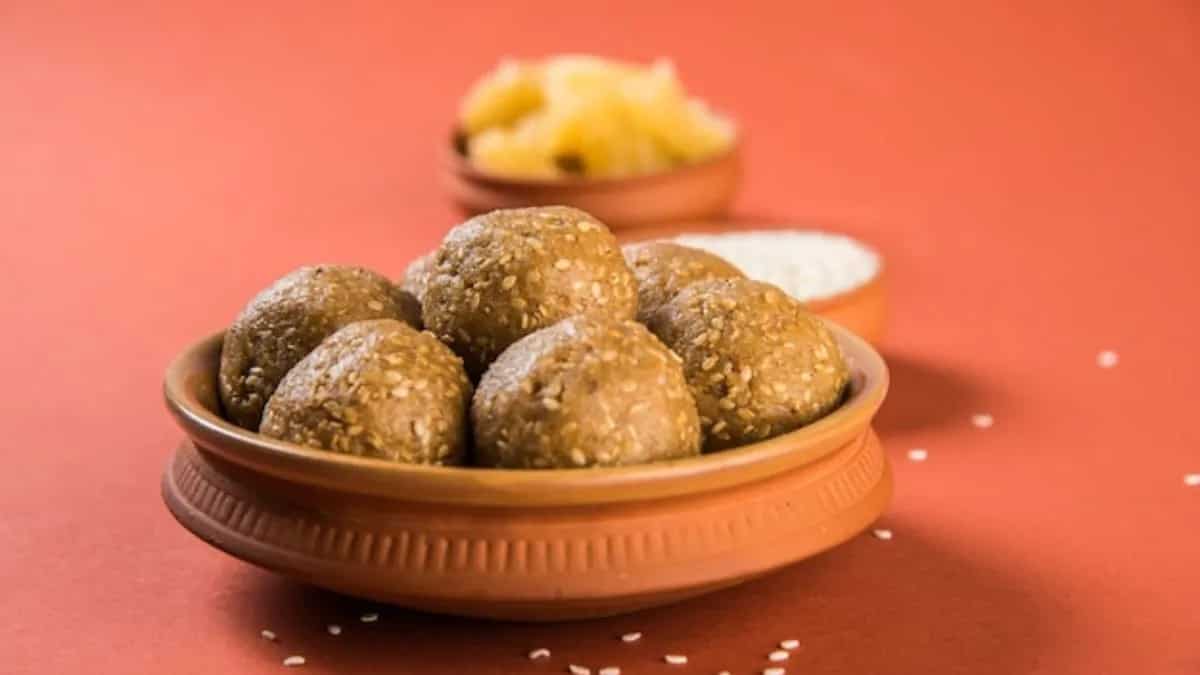
The specific bhog or offering for the ninth day is sesame seeds, known as Til. In Indian tradition, sesame seeds are considered highly auspicious and are often used in Havans (sacred fire rituals) to symbolise the burning away of past karmas. Offering sesame seeds to Maa Siddhidatri is believed to protect the devotee from unforeseen accidents and provide mental fortitude. The offering can be made in the form of simple black or white sesame seeds, or as more elaborate preparations like Til Ladoo or Til Barfi made with jaggery. These seeds are packed with energy and minerals, making them a perfect food to transition the body out of a long fast. The ritual of offering Til is an act of surrendering the smallest parts of our ego to the divine, asking the Goddess to purify our lives as we move back into our regular routines.
Image credit: Freepik
What To Eat: The Grand Culmination And Ram Navami Feast
The ninth day is unique because it often marks the end of the strict Vrat or fast. The food rituals for the 27th of March are celebratory and focus on the traditional Mahaprasad that is distributed after the Kanya Puja is completed for those who did not do it on Ashtami.
The Traditional Mahaprasad
The menu for the final day is iconic and consists of three main elements that represent the balance of flavours and nutrition.
Image credit: Freepik
• Suji Halwa: This represents the sweetness of the Goddess’s grace. It is usually made with high quality ghee and garnished with raisins and cashews.
• Kala Chana: Black chickpeas are cooked with a blend of warming spices like cumin, ginger, and amchur (dried mango powder). They provide the grounding protein needed after a week of light eating.
• Poori: The fried puffed bread is the final indulgent touch, symbolising the fullness of life.