


 Share
Share

On the 26th of March, 2026, the spiritual journey of Chaitra Navratri reaches one of its most celebrated milestones: Maha Ashtami. This is the eighth day of the festival, a time when the fierce intensity of the previous night softens into the radiant, serene presence of Maa Mahagauri. For millions across India, this day represents the pinnacle of devotion, marked by the sounds of conch shells and the unmistakable aroma of festive cooking that wafts through every neighbourhood. Mahagauri is the embodiment of purity, representing the calm after the storm and the clarity that follows deep introspection.
The Radiance Of Purity: Symbolism Of Maa Mahagauri
The name Mahagauri is a testament to her luminous appearance: Maha means great and Gauri means fair or shining. Her story is one of profound transformation and the rewards of dedicated penance. It is said that after her intense meditation to win Lord Shiva, her body had become dark and covered in forest dust. When Shiva bathed her in the holy waters of the Ganga, she emerged with a complexion as white as a jasmine flower and as bright as the moon. This transition from the dark Kalaratri to the radiant Mahagauri symbolises the soul's ability to wash away past karma and emerge renewed. Maa Mahagauri is traditionally depicted riding a bull, known as Vrushabha, which links her directly to the grounding energy of the earth and the domestic stability of Shiva’s household. She has four arms: one hand holds a trident, another a damru (drum), and the remaining two are held in the Abhaya and Varada Mudras, offering fearlessness and the granting of boons. Her white garments and ornaments reinforce her identity as the Goddess of peace and non-violence. In an age of sensory maximalism, her image serves as a visual reminder of the power of simplicity and the elegance of a quiet mind.
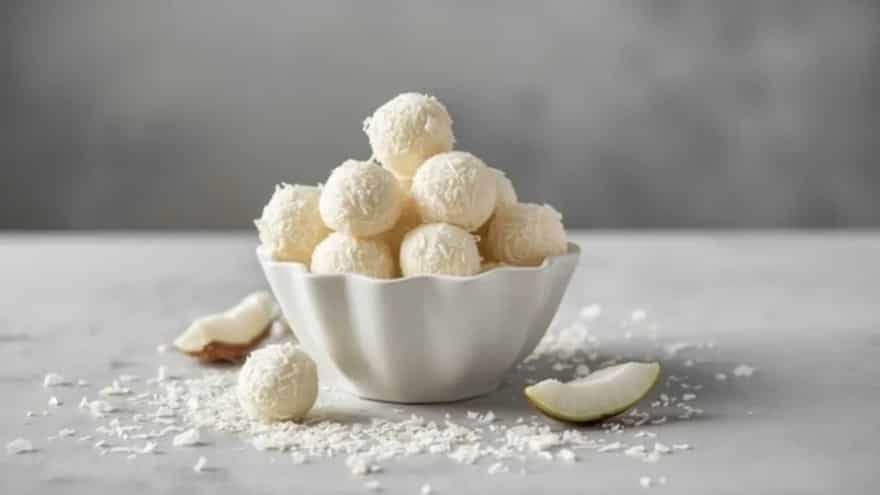
Image credit: Adobe Stock
The Elegance Of Peacock Green: The Colour Of Day 8
For the 26th of March, 2026, the designated colour for the day is peacock green. This sophisticated shade perfectly bridges the gap between the deep blues of the previous night and the vibrant life force of nature. Peacock green is a colour that denotes compassion, growth, and the uniqueness of the soul. It represents the richness of the earth and the spiritual wealth that comes from a balanced life. Wearing peacock green on Ashtami is a way to celebrate the abundance that the Goddess bestows upon her devotees. It is a colour that feels both royal and rooted, much like the presence of Mahagauri herself. For the Indian audience, this colour also evokes the imagery of the monsoon and the beauty of the national bird, symbolising grace in movement and the flourishing of the environment. As you dress in this hue, you are invited to embody the same poise and vibrant energy that the Goddess radiates.
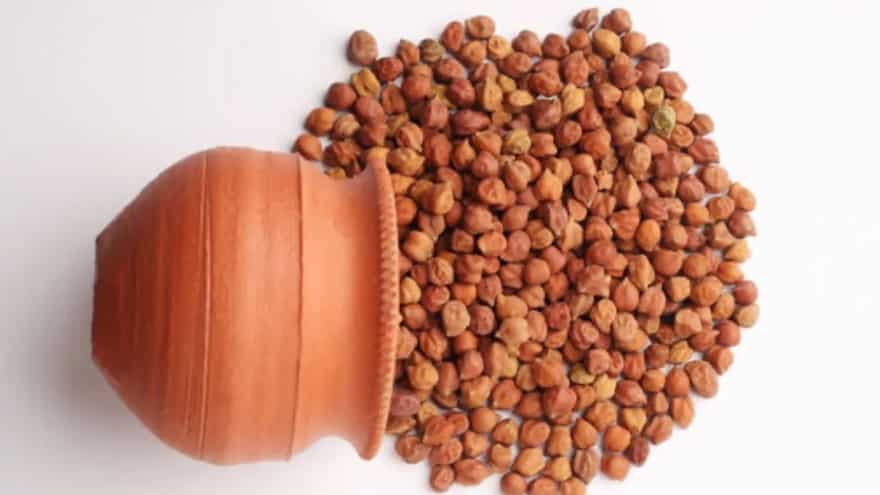
Image credit: Adobe Stock
The Gift Of The Earth: Coconut Offerings And Bhog
The primary offering or bhog for the eighth day of Navratri is the coconut, or nariyal. The coconut holds a singular place in Indian culinary and spiritual traditions. It is often called the Shriphal, meaning the fruit of Lakshmi or the fruit of prosperity. The structure of the coconut is itself a metaphor for the human ego: a hard, hairy exterior that must be broken to reveal the sweet, pure water and white flesh within. When offering a coconut to Maa Mahagauri, it is believed that the devotee is surrendering their pride and seeking the sweetness of divine wisdom. In many households, the coconut is offered whole during the puja and later used to prepare a variety of traditional sweets. In the hospitality and culinary landscape of 2026, we see a renewed appreciation for these ancestral ingredients. From simple coconut laddoos to more complex barfis infused with saffron, the nariyal serves as the backbone of the Ashtami feast. Some also offer fresh coconut water as a symbol of the purity of the Ganga that once washed the Goddess.
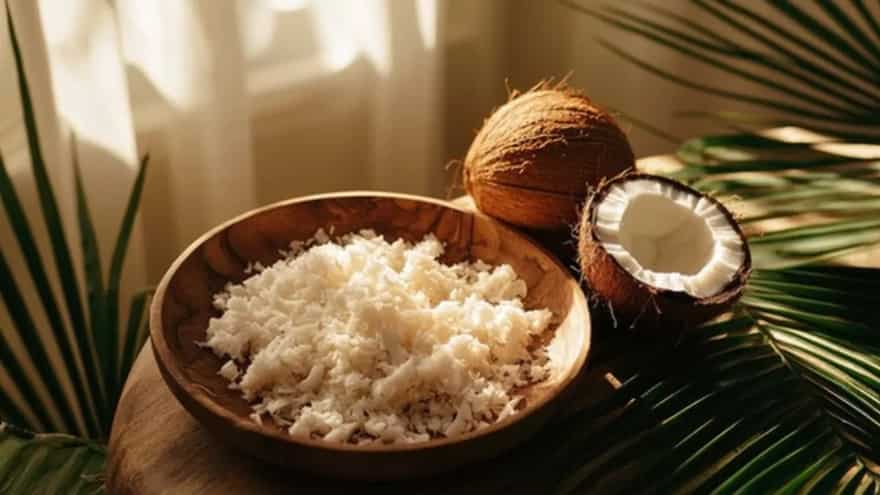
Image credit: Adobe Stock
What To Eat: The Traditional Ashtami Feast
Ashtami is perhaps the most significant day for food rituals during Navratri. Even those who do not observe the full nine day fast often participate in the traditional meal prepared on this day. The focus shifts from simple survival foods to a celebratory spread that is both nutritious and deeply satisfying.
The Kanya Puja Meal
The hallmark of the 26th of March is the Kanya Puja or Kanjak, where nine young girls are worshipped as manifestations of the Goddess. The meal served to them, and later consumed by the family, is a classic combination of suji halwa, poori, and sukha kala chana.
• Suji Halwa: A semolina pudding cooked in ghee and sweetened with sugar or jaggery. It provides the quick energy needed for the day’s festivities.
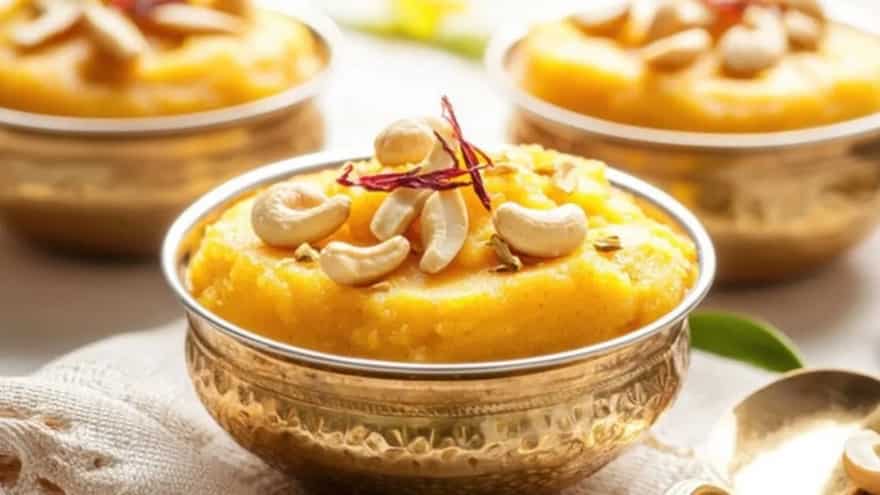
Image credit: Adobe Stock
• Poori: Deep fried, puffed bread made from whole wheat or chestnut flour for those still fasting.
• Sukha Kala Chana: Black chickpeas cooked with minimal spices like cumin, ginger, and green chillies. This dish is a powerhouse of protein and fiber, ensuring that the meal is balanced.
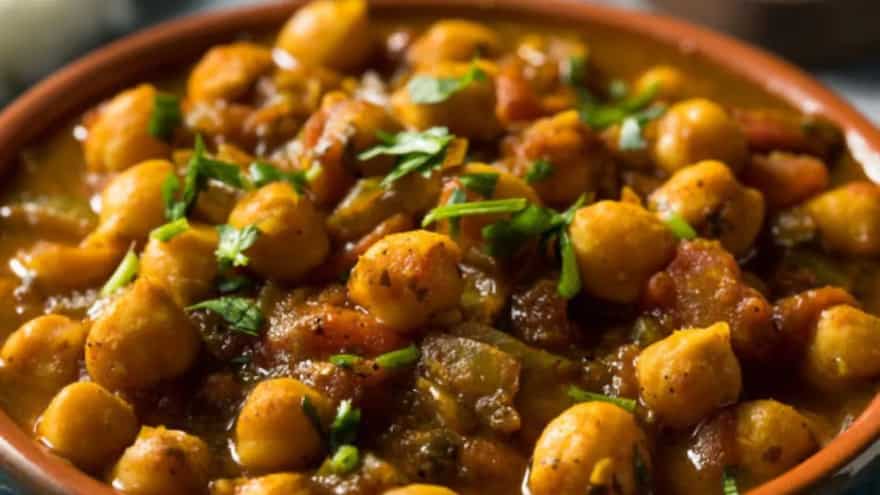
Image credit: Adobe Stock
Managing the Kitchen
For the modern home cook, efficiency is key during Ashtami. Using a pressure cooker to soften the chickpeas quickly allows more time for the elaborate rituals of the day. The use of ghee is central to this meal, not just for its sacred connotations but for its ability to enhance the bioavailability of nutrients in the grains and legumes.
What to Eat While Fasting
For those continuing their Vrat on the eighth day, the coconut remains the star of the diet. Fresh coconut chunks are an excellent source of healthy fats that provide satiety. A cooling drink made from coconut milk, blended with a hint of cardamom and honey, can be a refreshing alternative to standard dairy. If you are looking for something savoury, a raw coconut chutney paired with sabudana khichdi provides a perfect textural contrast and a boost of electrolytes.




