On the 24th of March, 2026, the energy of Chaitra Navratri reaches a magnificent crescendo as we welcome the sixth day. This day is dedicated to Maa Katyayani, perhaps the most heroic and battle-ready form of the Navadurga. After the nurturing and maternal atmosphere of the fifth day, the vibration shifts toward intense action, justice, and the restoration of dharma. For those observing the fasts in India, this day marks a pivot point where spiritual discipline meets the fiery resolve to overcome obstacles.
The Daughter Of The Sage: Symbolism Of Maa Katyayani
The origins of Maa Katyayani are deeply rooted in the power of focused intention. Legend tells us of the great Sage Katyayan, who performed intense penance to have the Divine Mother born as his daughter. Pleased by his devotion, the Goddess took birth in his ashram. However, her purpose was much larger than a single family. She was manifested from the collective radiant energy of the gods to slay the demon Mahishasura, who had become a threat to the stability of the universe. Maa Katyayani is depicted with four arms, though some traditions show her with many more to signify her limitless power. In her hands, she wields a sword and a lotus, while her other hands are held in the Varada and Abhaya Mudras, offering blessings and protection to those who seek her guidance. She rides a magnificent lion, a symbol of dharma and the mastery over animalistic instincts. Her presence is a reminder that when righteousness is threatened, the divine energy takes a form that is both beautiful and terrifying to the forces of darkness.
The Power Of Red: The Colour Of Day 6
For the 24th of March, 2026, the prescribed colour is red. This is a colour that naturally resonates with the warrior spirit of Maa Katyayani. Red is the shade of blood, fire, passion, and deep love. It represents the raw energy required to destroy what is no longer serving us so that something new and holy can take its place. In the Indian tradition, red is also the colour of auspiciousness and the married state. It is believed that by wearing red on this day, devotees can tap into the Goddess’s ability to grant harmony in relationships and success in worldly endeavours. In the practical setting of early spring, red is a stimulating colour that wards off the lethargy that can sometimes set in during the middle of a long fast. It serves as a visual reminder of the internal fire that we are stoking through our prayers and rituals.
Image credit: Adobe Stock
The Golden Nectar: Honey Bhog And Rituals
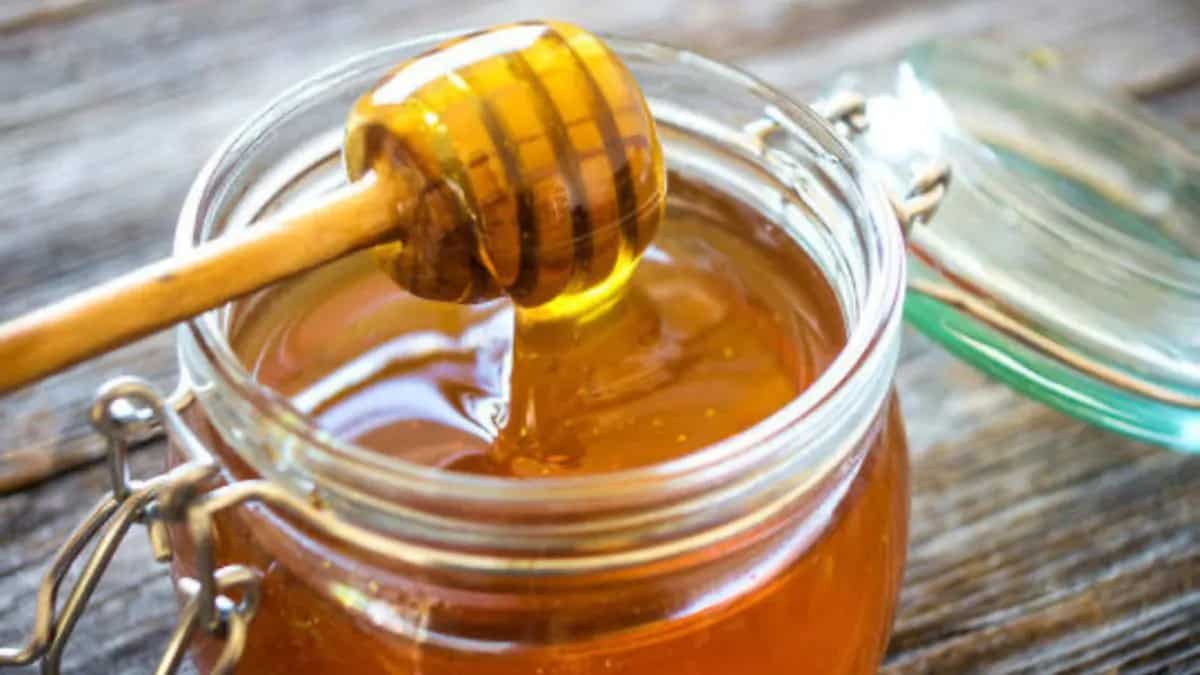
The most distinctive feature of the sixth day is the specific offering made to the Goddess. Maa Katyayani is said to be particularly fond of honey. In ancient texts, honey is referred to as Madhu, and it is considered one of the five elixirs of immortality. Offering honey as bhog is more than just a sweet gesture; it is a way to invite the sweetness of wisdom and the persistent energy of the bee into our lives. When you offer honey today, it is often placed in a silver or bronze bowl. Some devotees mix it with a little bit of curd or milk, but pure, raw honey is the preferred choice. The symbolism here is profound. Honey is the result of thousands of hours of work by bees, just as spiritual progress is the result of consistent, daily effort. After the offering, the honey is consumed as prasad, believed to bring a glow to the skin and clarity to the mind.
Image credit: Adobe Stock
What To Eat: Functional Nutrition For Day 6
The dietary choices for the 24th of March should reflect the dual nature of the day: the heat of the warrior and the sweetness of the honey. As the body continues its detoxification through the Navratri fast, focusing on functional foods that support the blood and the immune system is a wise editorial choice for your health.
• The Red Palette: Since red is the colour of the day, including red-coloured fruits and vegetables in your diet is highly beneficial. Pomegranate seeds are an excellent choice as they are considered a superfood in Ayurveda, known for their ability to purify the blood. A bowl of fresh pomegranate with a drizzle of honey makes for a perfect mid-day snack that keeps you hydrated and energised.
Image credit: Adobe Stock
• Beetroot Energy: For those who take one full meal a day, a beetroot and potato mash seasoned with rock salt and roasted cumin is a nutrient-dense option. Beetroot provides the iron necessary to prevent fatigue, which is common during the sixth day of a fast.
• Honey Based Refreshments: Incorporating honey into your drinks can provide an immediate glucose boost. A glass of lukewarm water with honey and lemon in the morning can kickstart your metabolism, while a chilled honey and mint sherbet in the afternoon can provide relief from the rising spring temperatures in India.
Image credit: Adobe Stock
• Millet and Seeds: Sabudana remains a popular choice, but for a more warrior-like stamina, try dishes made from amaranth (rajgira). Amaranth is exceptionally high in protein and can be made into a light porridge or rotis. It provides the sustained energy needed to maintain the rigorous schedule of Navratri prayers and daily work.