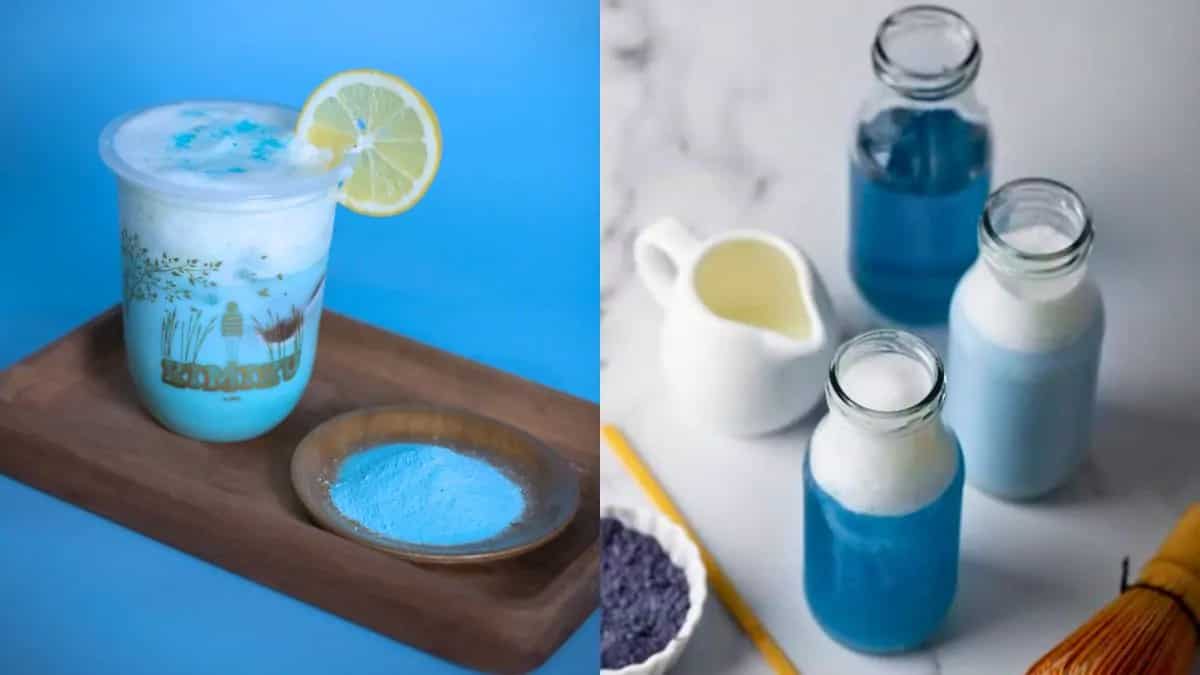
Blue spirulina has rapidly become one of the most sought-after ingredients for those looking to add a splash of magic to their glass without resorting to artificial chemicals. Derived from a species of blue-green algae, this extraordinary powder is famous for its intense, cerulean pigment that looks almost too bright to be natural. Unlike the deep forest green of traditional spirulina, which is often associated with a strong marine taste and swampy aroma, blue spirulina is essentially tasteless. This unique characteristic has made it a darling of the modern wellness world, allowing it to be whisked into smoothies, breakfast bowls, and increasingly, high-end mocktails. Because it provides such a vivid visual impact while remaining invisible to the palate, it offers a way to create drinks that are as visually stunning as they are beneficial to your health.
Image credit: Adobe Stock
The appeal of blue spirulina lies in its ability to transform a simple beverage into a work of art. In an era where many people drink with their eyes first, the arrival of a naturally occurring, cobalt-blue substance is a game changer for the home enthusiast. Historically, achieving such a colour required synthetic food dyes like Brilliant Blue FCF, which many health-conscious consumers prefer to avoid. Blue spirulina offers a clean-label alternative that fits perfectly into the lifestyle of anyone seeking a sophisticated, alcohol-free experience. Beyond the aesthetics, it brings a wealth of nutritional properties to the table, making the blue spirulina mocktail more than just a drink, it is a functional tonic that supports the body while delighting the senses.
What Exactly Is Blue Spirulina?
To understand blue spirulina, one must first look at its botanical origins. While standard green spirulina is a type of cyanobacteria often called blue-green algae that is consumed whole, blue spirulina is a specific extract. It is derived from the same Arthrospira platensis algae, but the process involves isolating a specific pigment-protein complex known as phycocyanin. This extraction process is crucial for two reasons. Firstly, it produces that incredible, deep azure colour that is highly stable in cold preparations. Secondly, it removes the earthy, fishy taste and smell that often makes green spirulina difficult to enjoy in large quantities or delicate recipes. The result is a fine, odourless powder that can be added to liquids without altering the flavour profile of the drink. This makes it an ideal ingredient for mocktails where clarity of flavour is paramount.
Image credit: Adobe Stock
The Health Benefits Of The Blue Pigment
Blue spirulina is not just a decorative addition to your kitchen cupboard. It is considered a functional superfood due to the high concentration of phycocyanin. Research into this compound suggests several key health advantages for those looking to boost their daily nutrient intake:
• Potent Antioxidant Properties: Phycocyanin is a powerful antioxidant that helps the body fight oxidative stress. It works by neutralising free radicals, which are unstable molecules that can cause damage to cells over time. By incorporating this into a daily beverage, you are essentially adding a layer of cellular protection.
• Anti-Inflammatory Support: Chronic inflammation is linked to various health issues in the modern world. Blue spirulina has been shown to inhibit certain enzymes that contribute to inflammation in the body. This makes it a popular choice for those looking to support joint health or recover after a strenuous workout.
Image credit: Adobe Stock
• Immune System Enhancement: Some studies indicate that phycocyanin can help stimulate the production of white blood cells, which are the primary defenders of the immune system. While it is not a cure for illness, it serves as a helpful supplement to a balanced diet and healthy lifestyle.
• Nutrient Density: Although used in small amounts for its colour, blue spirulina still contains trace minerals and B-vitamins. It provides a concentrated boost of nutrients without the calories, heavy metals, or sugars often found in traditional cocktail mixers and synthetic syrups.
Four Refreshing Blue Spirulina Mocktail Recipes
The following recipes are designed to showcase the versatility of blue spirulina. When working with this powder, remember that a little goes a long way. Use a small whisk or a battery-powered frother to ensure the powder dissolves completely to avoid clumps at the bottom of the glass.
1. The Electric Blue Lemonade
This is a sophisticated take on a childhood favourite. The acidity of the lemon interacts beautifully with the blue pigment, though be aware that if the pH levels change significantly, the blue can sometimes shift toward a purple hue.
Ingredients:
• 45 ml fresh lemon juice
• 15 ml agave syrup or honey
• 1/4 teaspoon blue spirulina powder
• 200 ml sparkling water
• Fresh mint leaves and lemon wheels for garnish
Image credit: Pexels
Method:
In a small carafe, whisk the lemon juice, sweetener, and blue spirulina until the liquid is a uniform dark blue. Fill a tall glass with ice and pour in the blue base. Top with sparkling water and stir gently to create a gradient effect. Garnish with mint and a lemon wheel.
2. The Tropical Ocean Breeze
This recipe leans into creamy, island-inspired flavours. It is perfect for summer afternoons and offers a more opaque, milky blue appearance that looks stunning in a stemmed glass.
Ingredients:
• 150 ml coconut water
• 50 ml pineapple juice
• 1 tablespoon coconut cream
• 1/2 teaspoon blue spirulina powder
• Optional squeeze of lime
Image credit: Pexels
Method:
Place the coconut water, pineapple juice, coconut cream, and blue spirulina into a blender. Blitz on high for ten seconds until frothy and vibrant. Pour into a chilled coupe glass. The coconut cream creates a soft, pastel blue foam on top that looks like sea foam.
3. The Indigo Fizz
For those who prefer a botanical and slightly bitter profile, this mocktail uses non-alcoholic botanicals or herbal tea as a base for a more grown-up flavour.
Image credit: Pexels
Ingredients:
• 100 ml chilled butterfly pea flower tea
• 1/4 teaspoon blue spirulina powder
• 20 ml elderflower cordial
• 100 ml tonic water
• Cucumber ribbon for garnish
Method:
Whisk the blue spirulina into the chilled tea. Because butterfly pea flower tea is already blue, the spirulina will deepen the intensity to a royal indigo. Fill a glass with ice, add the elderflower cordial, then the blue tea. Top with tonic water. The quinine in the tonic adds a lovely bitterness that balances the floral notes.
4. The Midnight Berry Crush
This drink is darker and richer, utilising the natural blues and purples found in forest fruits to create a deep, moody aesthetic.
Ingredients:
• 10 fresh blueberries
• 5 muddled blackberries
• 1/2 teaspoon blue spirulina powder
• 100 ml apple juice
• Ginger ale to top
Image credit: Adobe Stock
Method:
Muddle the berries at the bottom of a sturdy glass. Add the blue spirulina to the apple juice and stir until dissolved, then pour over the berries. Fill the glass with crushed ice and top with ginger ale for a spicy kick. The result is a dark, complex drink with hidden depths of colour.