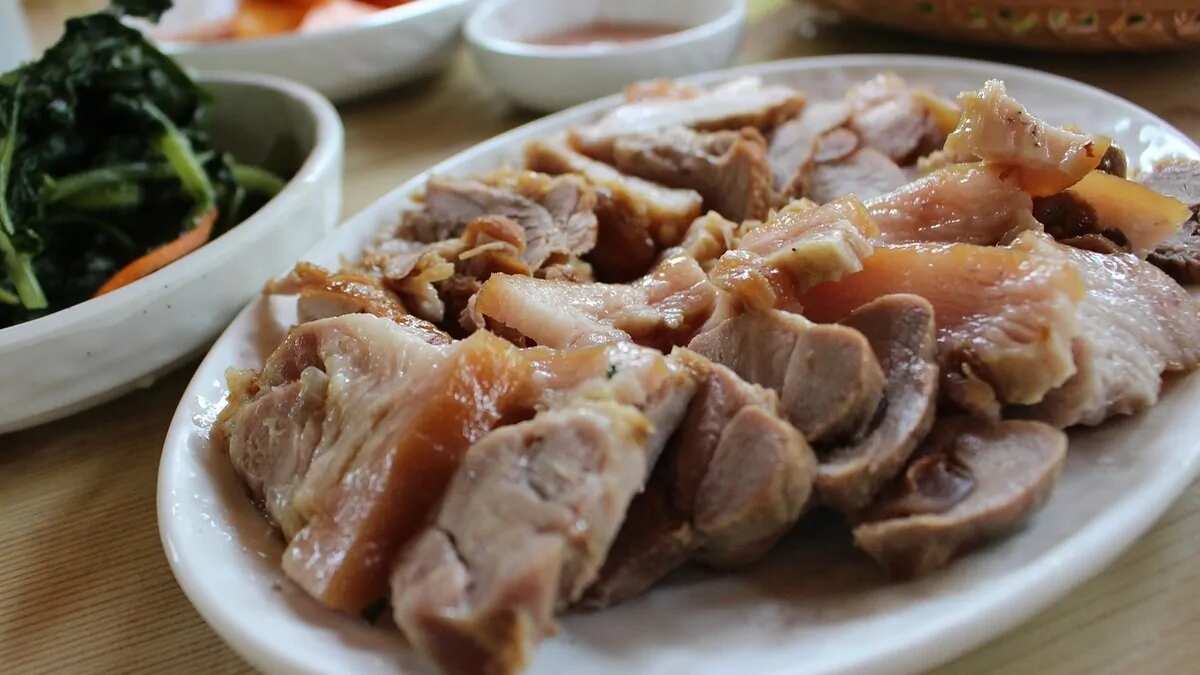
Indian cuisine is a vibrant kaleidoscope of flavors and textures, with a rich culinary tapestry that includes a diverse array of ingredients. Among these, organ meats have held a revered place in traditional Indian cooking for centuries. One standout dish that exemplifies the art of transforming offal into a delectable delight is "Bheja Fry."
However, this is just one facet of the intricate world of Indian organ meats, which boasts a spectrum of flavors, textures, and cultural significance. From the humble trotters to the sumptuous liver curries, the utilization of organ meats showcases the culinary ingenuity and resourcefulness of Indian gastronomy.
The Bheja Fry Phenomenon
Bheja Fry, a dish that features fried goat or lamb brain, is a testament to the Indian ability to transform the unconventional into the exquisite. This delicacy is revered in many parts of India, particularly in regions with a robust meat-eating tradition. The dish is a harmonious blend of spices, herbs, and, of course, the star ingredient—brain.
The preparation of Bheja Fry begins with careful cleaning and soaking of the brain to remove any residual blood or impurities. The brain is then marinated in a mixture of spices, which often includes turmeric, red chili powder, cumin, coriander, and garlic. After marination, the brain is delicately pan-fried until it achieves a golden brown hue and a crispy exterior. The result is a dish that marries the delicate texture of brain with the boldness of spices, creating a unique and unforgettable flavor profile.
Beyond Bheja Fry: The Allure of Organ Meats
While Bheja Fry is undeniably captivating, the world of Indian organ meats is remarkably expansive, encompassing a wide range of ingredients and preparations. Organ meats, also known as "offal," are valued for their distinct flavors and nutritional density. From liver to kidney, heart, tripe, and even trotters, Indian cuisine embraces these cuts with reverence and creativity.
Liver, for instance, takes on various forms in Indian cooking. From the rich and spicy "Kaleji" curry to the subtly spiced "Tawa Kaleji," liver is a canvas upon which regional flavors are masterfully painted. The distinct taste and tenderness of liver make it a sought-after ingredient, featured prominently in both home-cooked meals and celebratory feasts.
Kidneys, often used in "Gurda Kapura" dishes, offer a more robust and chewy texture. They are prized for their ability to absorb flavors from spices, resulting in complex and deeply satisfying dishes that cater to a range of palates. Heart, considered a delicacy, can be cooked into hearty curries or grilled to perfection, infusing dishes with a unique combination of tenderness and earthy flavors.
Trotters, or "Payaa," are a prime example of utilizing every part of an animal. These collagen-rich cuts are stewed for hours until they yield a thick, flavorful broth that is enjoyed with traditional breads like naan or roti. Trotters showcase the resourcefulness ingrained in Indian cooking, turning what might be considered waste into a nourishing and delectable dish.
Cultural Significance and Culinary Artistry
The consumption of organ meats in Indian cuisine is not solely about taste and nutrition; it's deeply intertwined with cultural heritage and resourceful cooking practices. Organ meats have long been an affordable and sustainable source of protein, making them integral to diets in various regions. Their inclusion in festive meals and family gatherings exemplifies their significance in both everyday life and special occasions.
Furthermore, Indian culinary traditions have evolved organ meat preparations into exquisite dishes that reflect the regional diversity of the country. From the fiery spices of North Indian "Kaleji" to the coconut-infused gravies of South Indian "Liver Pepper Fry," each region has its own interpretation of organ meat dishes, showcasing the depth and breadth of India's gastronomic wealth.
Conclusion
Bheja Fry and the captivating world of Indian organ meats invite us to explore the artistry of utilizing every part of an animal and transforming it into a culinary masterpiece. These dishes encapsulate not only flavors and textures but also centuries of cultural heritage, resourceful cooking practices, and regional diversity.
By embracing organ meats with creativity and reverence, Indian cuisine reflects a profound understanding of sustainability, gastronomic innovation, and the profound connection between food and culture.